
Last updated November 4, 2026
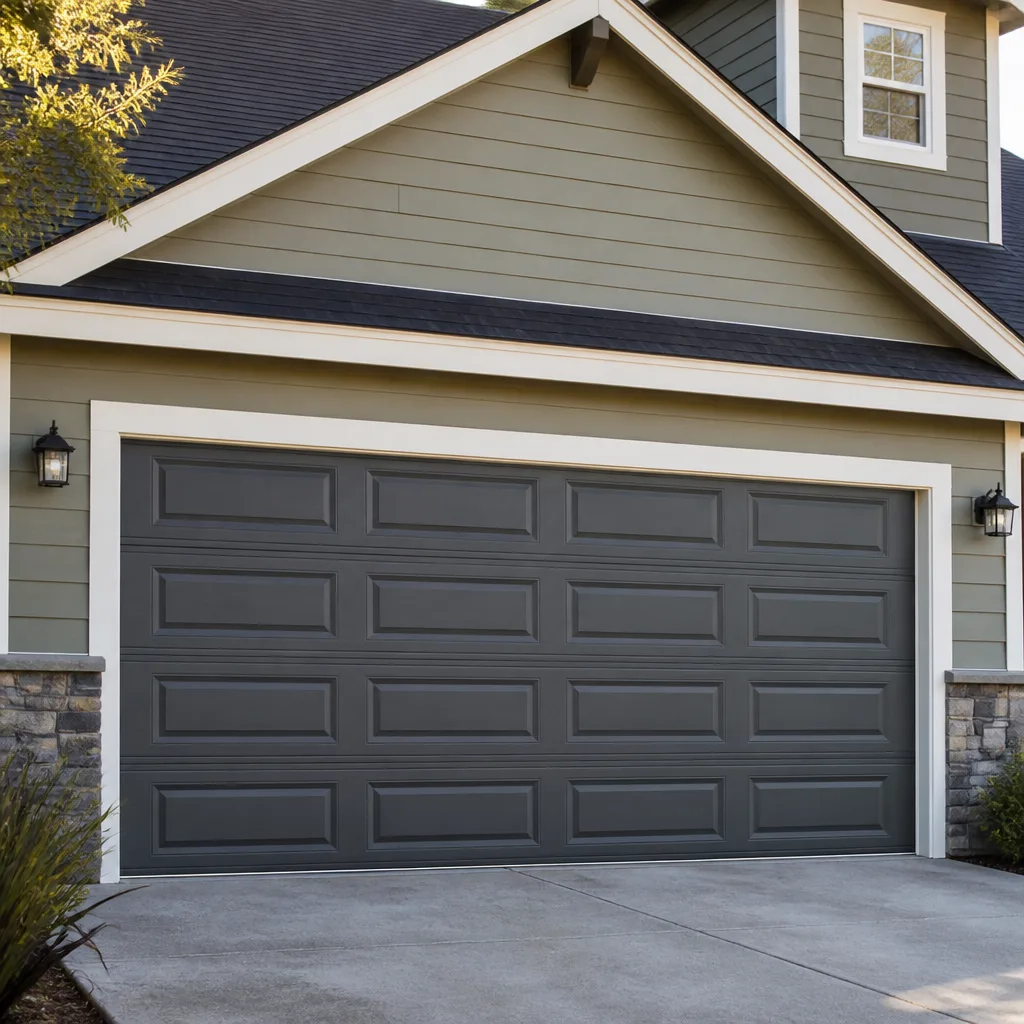 Raised-panel steel
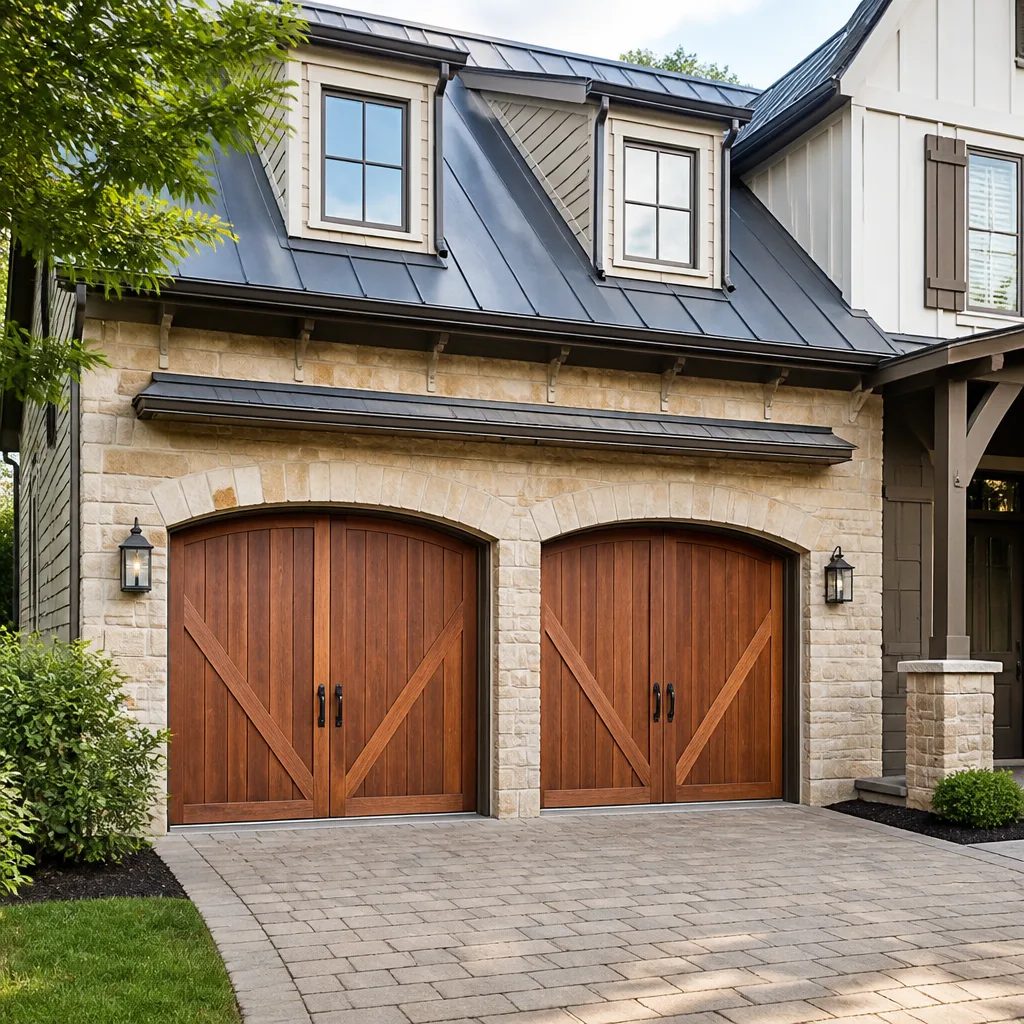 Carriage house
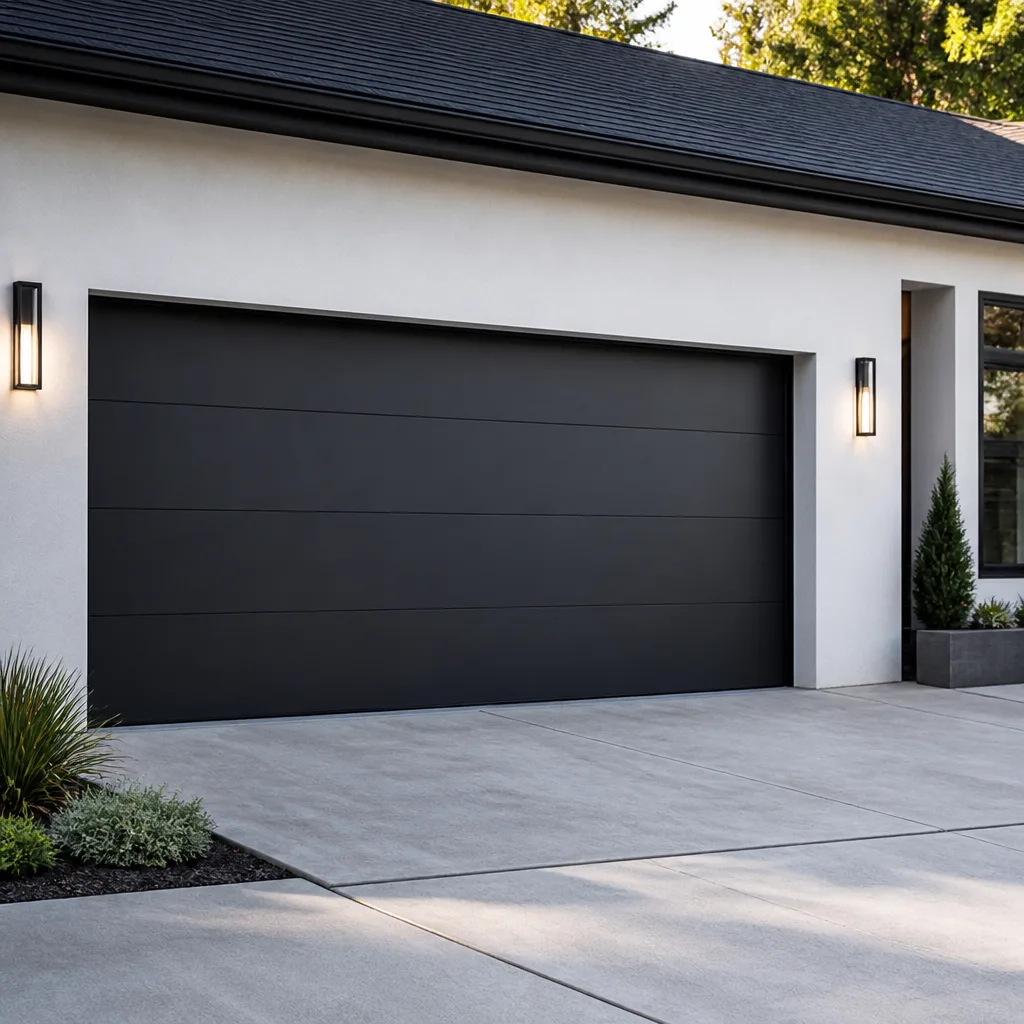 Modern flush
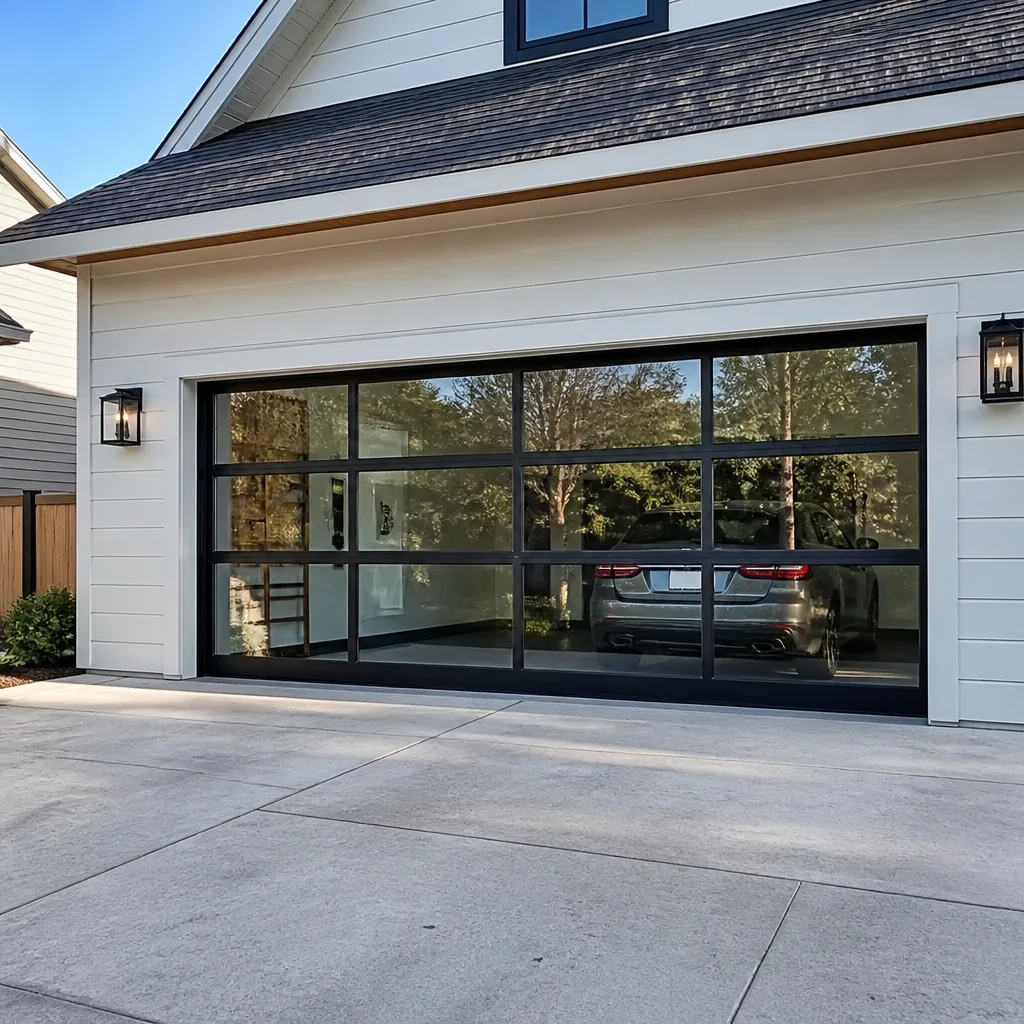 Full-view glass
 LiftMaster openers
 Chamberlain openers
Full 25-point door and opener safety check with every visit - springs, cables, rollers, tracks, and your LiftMaster or Chamberlain opener included
You get a price before we start. It does not change when the truck arrives.
Get your free estimateSeasonal Garage Door Care for Sylmar: Year-Round Homeowner’s Guide
Sylmar’s version of winter is mild enough that most seasonal maintenance checklists never quite fit. The real stress on your garage door here doesn’t come from ice or snow. It comes from the Santa Ana winds that barrel through the valley in fall, the brutal August heat that bakes steel panels in direct sun, and the few weeks of Pacific rain that find every gap in your weatherstripping. This guide maps garage door maintenance to those actual conditions, because treating Sylmar like a Midwestern city means you’ll always be fixing the wrong thing at the wrong time.
Quick Answer
Seasonal garage door care in Sylmar means checking tracks for debris and weatherstripping for wind damage during Santa Ana season, lubricating hinges and rollers before summer heat causes thermal expansion, checking bottom seals before rain season, and inspecting for corrosion after winter storms pass. Most tasks take under 15 minutes and require no special tools. A yearly professional inspection catches what routine checks miss.
Styles & brands we work with
- Raised-panel steel
- Carriage house
- Modern flush
- Full-view glass
- LiftMaster openers
- Chamberlain openers
Table of Contents
- Fall: Santa Ana Season and Wind Stress
- Summer: Heat, Thermal Expansion, and Opener Strain
- Winter: Rain Season and Water Intrusion
- Spring: Post-Rain Corrosion Checks
- Sylmar Seasonal Task Calendar
- Lubrication: What to Use and What to Skip
- DIY Checks vs. Professional Work: Where to Draw the Line
- Common Mistakes to Avoid
- When to Call a Professional
- Frequently Asked Questions
Fall: Santa Ana Season and Wind Stress
The Santa Ana winds that sweep through Sylmar between September and November are the most underrated threat to garage door hardware in this part of the San Fernando Valley. These downslope winds are dry, hot, and relentless, often gusting hard enough to rattle panels and shove debris into places it doesn’t belong. Your garage door isn’t just sitting there. It’s taking repeated lateral force against a large, flat surface, and the components that suffer most are the weatherstripping, the tracks, and the rollers.
What to check during and immediately after Santa Ana events:
- Track alignment. Wind-blown twigs, leaves, and gravel can wedge themselves between the roller and the track. Even small debris creates friction that forces the opener motor to work harder. Run the door up and down and listen for grinding or scraping.
- Weatherstripping condition. The rubber or vinyl seals along the sides and top of the door opening take a beating in sustained wind. Dry air makes them brittle faster than anything else. Look for cracks, tears, or spots where the seal has pulled away from the frame.
- Bottom seal integrity. A gap at the bottom lets dust and ash blow into the garage during wind events. Sylmar’s hillside brush means wind carries fine particulate, and that grit settles into every mechanism.
- Panel hardware tightness. High-velocity gusts shake the door in its tracks. Over several wind seasons, hinge bolts and roller brackets loosen. Check them with a socket wrench.
Ash from any brush fire in the surrounding hills becomes a particular problem during Santa Ana season. It’s fine enough to work its way into roller bearings, where it mixes with grease and creates an abrasive paste. Rollers that wear prematurely start squealing and eventually bind. If you hear a sound that wasn’t there before a wind event, it’s worth inspecting the rollers sooner rather than later.
We work on the brand you already have, whether that’s a Clopay sectional door or an Amarr carriage-style model, and wind damage patterns are consistent across all of them. The fix is usually straightforward when caught early: reposition the seal, clear the track, tighten the bracket. Left alone, those small problems turn into garage door repair calls that cost more and take longer.
Summer: Heat, Thermal Expansion, and Opener Strain
Sylmar regularly sees summer temperatures in the high 90s and beyond, and garage doors absorb direct sun in ways that most homeowners never think about until something stops working. A steel door panel in direct afternoon sun can be significantly hotter than the surrounding air. Steel expands when heated, and that expansion changes how the door sits in its tracks, how panels flex against each other, and how much resistance the opener motor faces.
Three things to watch during Sylmar’s hottest months:
Thermal Expansion of Steel Doors
Steel doors expand in direct sun. This is normal and expected, but it means clearances shrink. A door that ran smoothly all spring might start rubbing against the track or binding slightly against the header. The fix isn’t usually complicated: check that the track isn’t too tight against the door, ensure the door still has a slight side-to-side play, and verify that the vertical tracks are plumb. If you’re not comfortable adjusting tracks, that’s a reasonable time to call a specialist.
Opener Motor Overheating
Opener motors have thermal protection circuits that shut them down when internal temperatures get too high. In a hot garage, especially one that gets afternoon sun on the ceiling area where the opener hangs, that threshold can be reached during normal operation. If your opener stops working mid-cycle and won’t respond for several minutes, heat shutdown is a likely cause. Give it time to cool, keep the garage ventilated, and consider whether the door balance is adding unnecessary load.
Spring Fatigue in Heat
Torsion springs and extension springs both lose a tiny fraction of their tension naturally over time. Heat accelerates the metallurgical creep, but the bigger factor in Sylmar summers is that people cycle their doors more often. Kids are home, inflatable pool days happen, and the door opens and closes more than any other season. Springs are rated for a set number of cycles. More cycles plus elevated heat means a spring that was marginal in May might break in August.
When a door stops responding during a heat wave, don’t assume the opener is dead. Garage door opener repair is a dedicated service for us, and opener problems diagnosed not guessed means we check the door balance before replacing a motor. A broken spring or a door that’s binding can mimic opener failure, and repairing the wrong component doesn’t solve the problem. If you have a LiftMaster or Chamberlain smart opener, heat can also affect the logic board. The fix may be as simple as a cooled-down unit and a reset, or it may require replacing a board. We service all major smart-home platforms across LiftMaster, Chamberlain, Genie, and others.
Winter: Rain Season and Water Intrusion
Sylmar’s rain comes in bursts. The total annual rainfall isn’t dramatic, but when storms arrive, they can be intense. The garage door is the largest single opening on most homes, and the bottom seal is the only thing standing between a dry garage floor and a sheet of water running down the driveway toward the door. Infrequent rain means homeowners often don’t notice a compromised seal until the one big storm of the season arrives, and by then the damage is done.
Water intrusion prevention steps to take before and during rain season:
- Inspect the bottom seal. Close the door and look for daylight under it from inside the garage. If you see light, water will find the same gap. Run a hand along the seal to check for cracks, brittleness, or sections that have flattened permanently.
- Check the weatherstripping on the sides and top. The side seals block wind-driven rain. In Sylmar’s rain events, which often coincide with gusty conditions, side seals are as important as the bottom seal.
- Verify the door closes fully. A door that stops half an inch short of the floor, often because of a misadjusted limit switch or debris in the track, creates a perfect channel for water. The door should seat firmly against the floor with the seal compressed evenly.
- Clear the track drains. Vertical tracks collect water and debris. Many have small drain holes at the bottom that clog with dirt and leaves. A clogged hole means water sits in the track and accelerates corrosion.
- Check the top of the door for pooling. If the garage roof or any overhead structure drains onto the door, water can pool on the top section and work its way past the top seal. A simple deflection strip or improved drainage keeps this from becoming a recurring issue.
Persistent water in the garage isn’t just a nuisance. It damages stored items, promotes rust on door hardware, and can create conditions where mold grows in drywall and framing. Sylmar homes built into hillsides often have garages that sit below grade, which makes water intrusion more likely. If you’ve noticed damp spots on the garage floor after rain, address the seals before the next storm cycle.
Repair or replace, we’ll tell you which one makes sense. A worn bottom seal is an inexpensive fix. A door that’s been saturated repeatedly at the bottom panel may need that panel replaced. The right call depends on what the door looks like when we inspect it, and the price is quoted and agreed before any work starts.
Spring: Post-Rain Corrosion Checks
After the rain stops and the hills around Sylmar start to dry out, the humidity lingers longer than people expect. Morning marine layer influence and spring moisture cycles mean metal hardware gets a slow dose of dampness that promotes corrosion. The best time to inspect for rust is right after the last significant rain of the season, before summer heat bakes any remaining moisture into the metal.
Spring corrosion inspection points:
- Springs. Surface rust on torsion springs is common and isn’t necessarily a functional issue, but pitting can be. Deep rust pitting on a spring is a sign that it’s been through repeated moisture cycles, and its metal integrity may be compromised.
- Hinges and roller stems. These are the most exposed hardware pieces, and they’re often the first to show rust. Hinges with rust should be cleaned and lubricated. Rollers with rusted stems or seized bearings should be replaced.
- Track surfaces. Rust on the inside of the tracks creates friction. Light surface rust can be cleaned. Deep pitting means the track should be replaced, because rollers cannot travel smoothly over a pitted surface.
- Cable and cable drums. Cables should be checked for fraying or rust discoloration. A cable that shows rust is more likely to fail under tension, and when a cable fails, the door can drop suddenly.
Spring is also the time to re-lubricate after humidity exposure. Hinges and rollers that were lubricated in fall may have dried out or thinned during the rain season. We’ll cover lubrication in detail below, but the spring check is a good habit: clean the hardware, apply lubricant sparingly, and cycle the door a few times to distribute it.
One thing we’ve seen in Sylmar homes near the base of the hills: garage doors on the north side of a house, which get less direct sun, hold moisture longer than south-facing doors. If your garage stays damp in spring, your inspection schedule should be more frequent than a neighbor whose garage faces the afternoon sun. Different microclimates, different maintenance cadence.
Sylmar Seasonal Task Calendar
Rather than a generic four-season model with equal tasks every quarter, this calendar follows Sylmar’s actual weather pattern. The workload isn’t evenly distributed, and that’s intentional. Some seasons need more attention than others.
September-October: Santa Ana Prep
- Clear tracks of debris and check alignment
- Inspect weatherstripping for dryness and cracks
- Tighten hinge bolts and roller brackets
- Clean ash and dust from rollers
- Test the auto-reverse safety feature
November-December: Rain Season Readiness
- Check bottom seal for gaps and flattening
- Verify the door seats fully against the floor
- Clear the drain holes in vertical tracks
- Inspect the top seal where roof drainage may hit
January-March: Post-Storm Care
- Inspect springs and cables for rust or pitting
- Check hinges and roller stems for corrosion
- Re-lubricate hinges, rollers, and springs
- Look for water stains inside the garage indicating seal failure
April-August: Heat and High-Use Season
- Monitor opener for heat-related shutdowns
- Check door balance and spring condition
- Ensure tracks have proper side clearance for thermal expansion
- Listen for new squeaks or grinding sounds that indicate roller wear
One call covers the door and the opener, so if your seasonal check turns up a problem in either system, you’re not getting bounced between contractors. The same technician who inspects the mechanical door can diagnose the opener, and that matters in Sylmar where both systems see the same environmental stresses.
We specialize in doors from Raynor, Clopay, Amarr, Wayne Dalton, and others, and our technicians are factory-familiar with those brands plus openers from LiftMaster, Chamberlain, Genie, and Craftsman. When we inspect a door, we know what the manufacturer’s tolerances are, not just what looks roughly right. That’s the difference between a specialist and someone who happens to work on garage doors occasionally.
Lubrication: What to Use and What to Skip
Lubrication is the single highest-impact maintenance task a homeowner can do, and it’s also the one most often done wrong. The right product makes a door run quietly and smoothly for months. The wrong product attracts dust and grit, which accelerates wear in Sylmar’s dusty, wind-prone environment.
Rules for lubricating a garage door in this climate:
- Use a garage door-specific lubricant or white lithium grease. Silicone spray is acceptable for some components, but WD-40 is not a lubricant. It’s a solvent and water displacer, and it will strip existing lubrication, leaving metal components dry.
- Lubricate hinges, rollers, and the spring. Apply a small amount to each hinge point, the roller bearings (not the track), and the torsion spring along its full length. The goal is a thin film, not a dripping mess.
- Do not lubricate the track. Rollers are designed to grip the track surface. A lubricated track attracts dirt, and in Santa Ana season that dirt becomes a grinding compound.
- Wipe down excess lubricant. Anything that drips onto the door face or floor will attract dust. Sylmar dust is fine and pervasive, and a sticky film on the door face turns into a dirty mess quickly.
- Lubricate after cleaning. Applying lubricant over existing grime traps the grime and creates abrasive paste. Wipe components with a clean cloth first, then apply lubricant.
How often should you lubricate? In Sylmar’s dry climate, twice a year is usually sufficient: once before Santa Ana season and once after the last rain. If you notice the door getting noisier between scheduled maintenance, that’s a signal to do it sooner. A quiet door is a healthy door in the sense that cleaner, properly lubricated components move with less friction, which means less strain on the opener.
DIY Checks vs. Professional Work: Where to Draw the Line
Most of what we’ve described in this guide is safe for a homeowner to do: inspect, clean, tighten accessible bolts, and apply lubricant. But there’s a hard line that shouldn’t be crossed, and it’s drawn around the components that store dangerous amounts of tension.
Torsion springs are not a DIY repair. The spring on a standard residential garage door is wound under enough tension to cause serious injury or death if it releases suddenly. Removing, adjusting, or replacing a torsion spring requires specialized winding bars and an understanding of how to load and unload tension safely. Even technicians who work on garage doors receive specific training before touching torsion spring systems. This isn’t gatekeeping. It’s the reality of a component that stores enough energy to move a 150-pound door with seeming ease.
Lift cables also fall into the professional category. When a cable frays or snaps, the remaining cable and spring system can behave unpredictably. A door with a broken cable may be supported unevenly, and attempting to operate it can cause further damage or injury.
Here’s the safe division of labor:
- Homeowner tasks: visual inspection, track cleaning, weatherstripping checks, bolt tightening (hinge and bracket bolts only), lubrication, auto-reverse testing
- Professional tasks: spring adjustment or replacement, cable replacement, track realignment when bending is involved, panel replacement, opener motor repair or replacement, anything involving electricity
Built for this trade only means every hour of our training and experience is in garage doors and openers, not split between HVAC calls and plumbing emergencies. When a Sylmar homeowner calls Garage Door Repair Sylmar, the person who arrives is a garage door specialist, not a generalist who’ll take a look and refer you elsewhere. That matters when the problem involves a spring under tension or a door that weighs several hundred pounds.
Common Mistakes to Avoid
- Using WD-40 as a garage door lubricant. It strips lubrication and leaves components dry. Use a garage door lubricant or white lithium grease instead.
- Lubricating the tracks. This attracts the fine dust that Sylmar’s winds deliver in quantity throughout fall. Tracks should stay clean and dry.
- Ignoring a squealing door for months. The noise is a signal that something needs attention, usually a dry hinge or a worn roller. Waiting until it becomes a grinding sound means the repair is more expensive.
- Skipping the bottom seal check until rain is forecast. The seal may have been compromised for months before the first storm, and by then water has already intruded. Check it seasonally, not reactively.
- Assuming the opener is dead when the door won’t move. A broken spring, a misaligned track, or a heat-shutoff on the motor can all present as a “dead” opener. Diagnosis before replacement saves money.
- Trying to DIY a torsion spring. The energy stored in a wound spring is life-threatening. This is not a task for a determined weekend. Call a professional who has the right tools and training.
- Waiting until a door fails to think about maintenance. The cheapest maintenance is the check that happens before a problem develops. A fifteen-minute seasonal walk-around costs nothing and catches problems early.
When to Call a Professional
Some problems announce themselves clearly: a spring that snaps with a bang, a door that won’t open at all, a cable that’s visibly frayed. Those situations call for a professional, and they call for one soon. But there are also quieter signals that warrant a specialist’s eye: a door that’s suddenly heavier to lift by hand, a section that’s visibly bent after a wind event, a persistent rust pattern that keeps coming back, or an opener that trips its thermal protection repeatedly even on mild days.
If you’re in Sylmar and any of these apply, the right move is a phone call. Garage Door Repair Sylmar offers free estimates in Sylmar. Call (855) 360-5967 and describe what you’re seeing. We answer 24/7. Fast dispatch from 7am to 7pm, Sunday through Friday. The estimate is free, and the price is quoted and agreed before any work starts.
Frequently Asked Questions
Twice a year is the right cadence for Sylmar’s dry, dusty climate: once before Santa Ana season in early fall and once after the last rain in spring. If the door becomes noisy between those intervals, lubricate sooner. Use a garage door-specific lubricant or white lithium grease, never WD-40, and never lubricate the tracks. Call (855) 360-5967 for a free estimate if lubrication doesn’t resolve persistent noise, as that often indicates worn rollers or hinge damage.
Yes, sustained high winds put lateral force on the door face and blow debris into tracks, while the dry air degrades weatherstripping faster than other conditions. The most common wind-related problems in Sylmar are track obstructions from wind-blown debris and weatherstripping that’s become brittle and cracked. Check tracks after major wind events and replace seals that show cracking. A quick post-wind cycle test is free to do yourself.
The opener motor has a thermal protection circuit that shuts it down when internal temperatures exceed a safe threshold, and a hot Sylmar garage with afternoon sun can push the motor into that range. Let the unit cool down, keep the garage vented, and check that the door is properly balanced, since a heavy door makes the motor work harder and generate more heat. If the shutdown recurs, call (855) 360-5967, because recurring thermal trips can indicate a worn motor or an underlying door issue.
No. Torsion springs are wound under enough tension to cause serious injury or death, and replacing them requires specialized training and tools. A cable under tension is equally dangerous to work with. This is the line every homeowner should refuse to cross. Call a professional for any spring or cable work. We answer 24/7 at (855) 360-5967, and dispatch runs from 7am to 7pm, Sunday through Friday.
Close the door and look underneath from inside the garage; if you can see daylight, water will get through that gap. Also check for flattening, cracking, or sections that have pulled away from the door. Sylmar’s infrequent but intense rain events mean a seal that’s only slightly compromised can cause significant water intrusion during a single storm. Replacement seals are inexpensive, and the price is set by the written estimate before any work starts.
Yes, an annual professional inspection catches developing problems that a visual walk-around misses, including subtle track alignment issues, early spring fatigue, and opener motor wear that hasn’t yet caused a failure. In Sylmar’s climate, the best time for that inspection is early fall, before Santa Ana season and before the rain arrives. Garage Door Repair Sylmar offers free estimates, and we service Raynor, LiftMaster, Chamberlain, Genie, and other major brands.
The Bottom Line
Garage door maintenance in Sylmar isn’t a one-size-fits-all calendar. The real stresses come from Santa Ana winds in fall, heat expansion in summer, intense rain bursts in winter, and lingering humidity in spring. Each season attacks different components, and the homeowner who checks the right things at the right time avoids the cascade of small failures that lead to big repairs. Track cleaning, weatherstripping inspection, seasonal lubrication, and a yearly professional look-over cover most of what a door needs. When something does go wrong, one call covers the door and the opener, and the specialist who arrives already knows the equipment.
Written by the team at Garage Door Repair Sylmar, serving Sylmar since 2015.
See the difference
 Before
 After
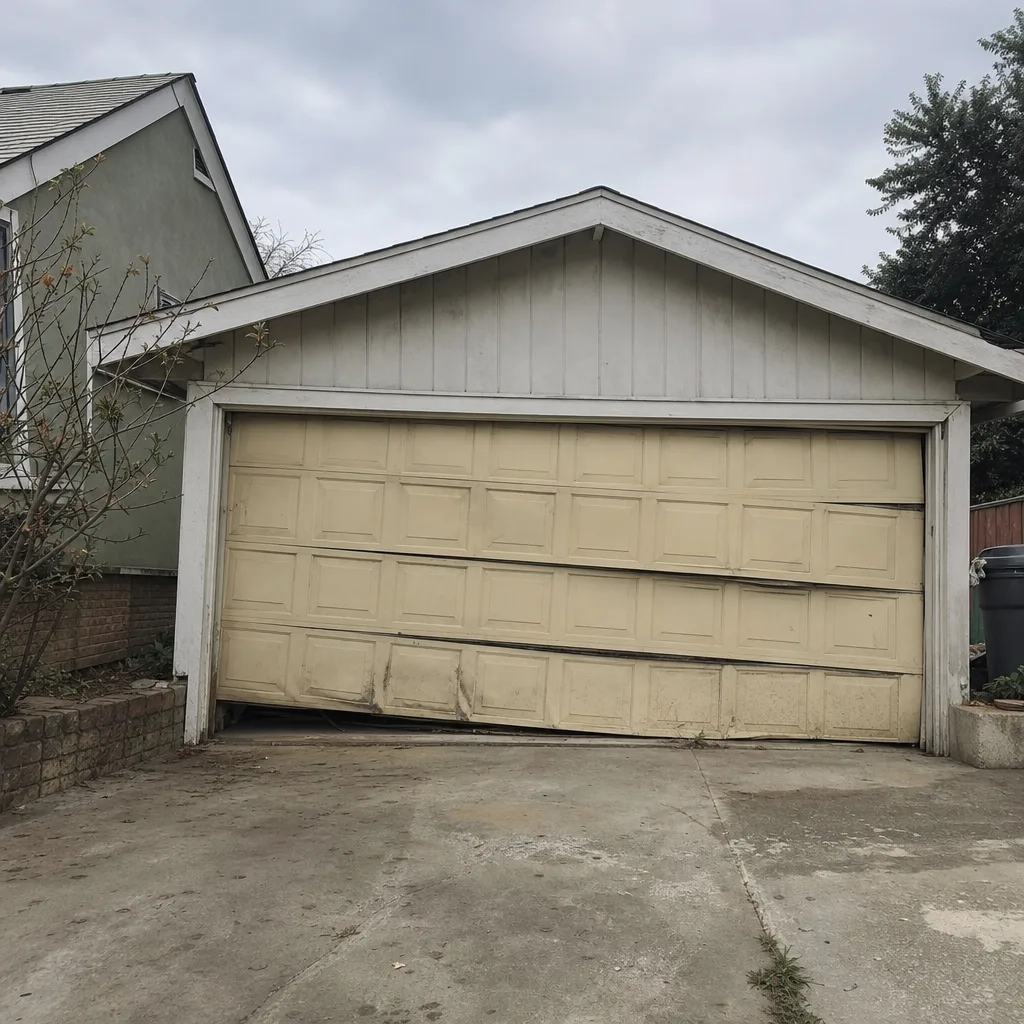 Before
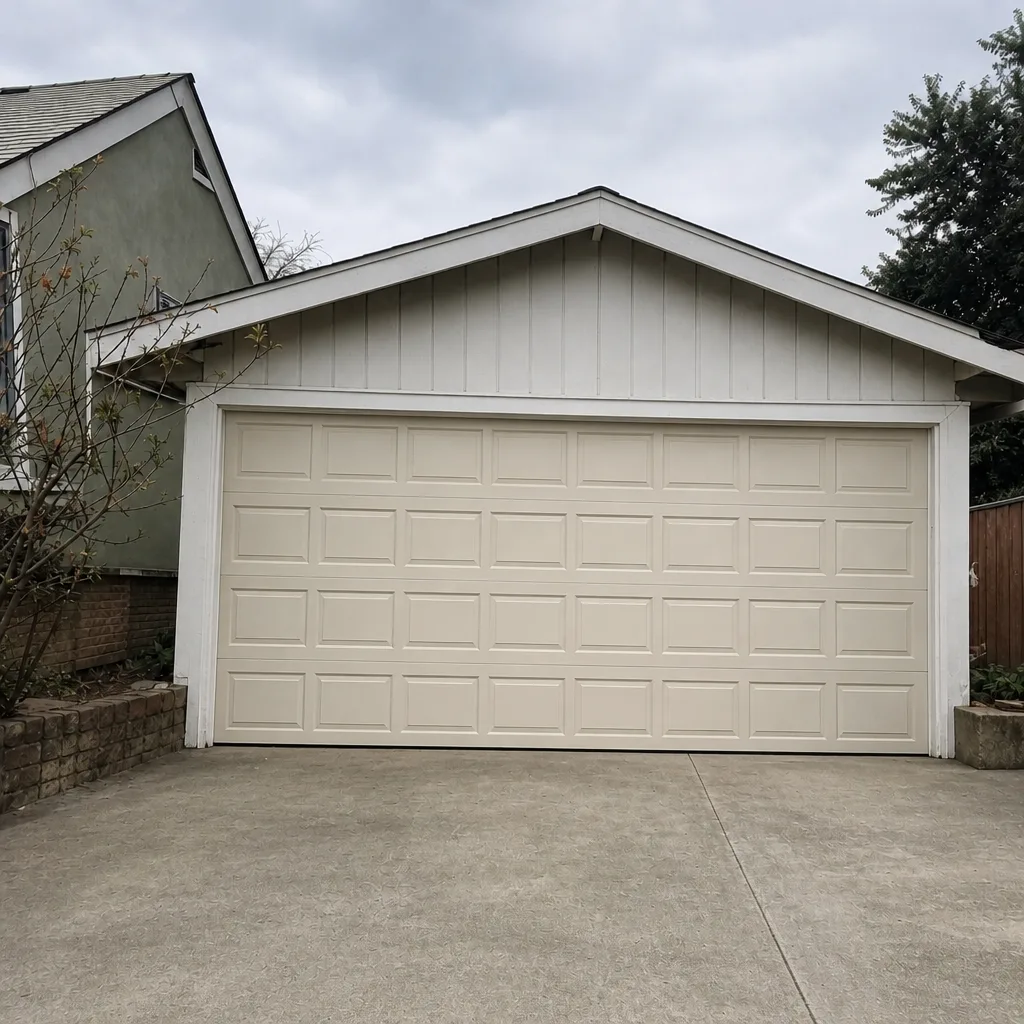 After
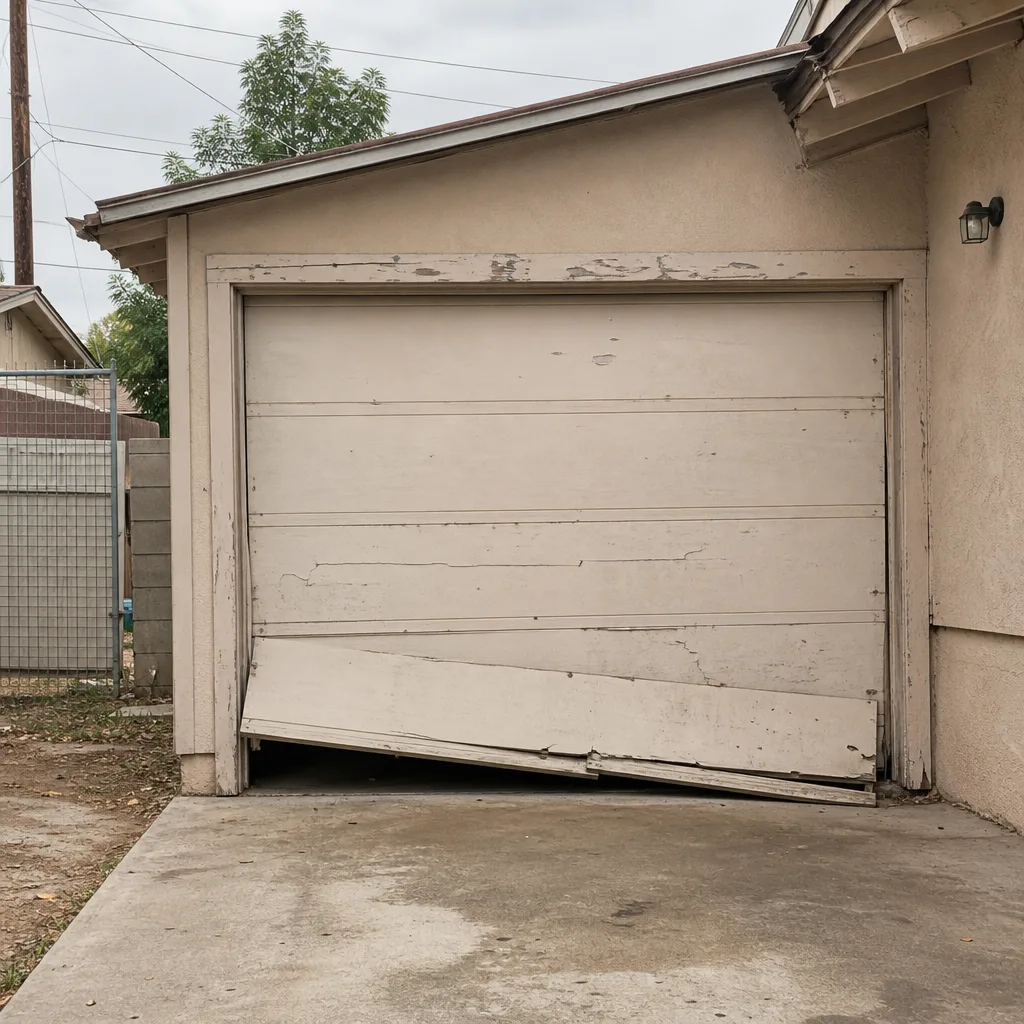 Before
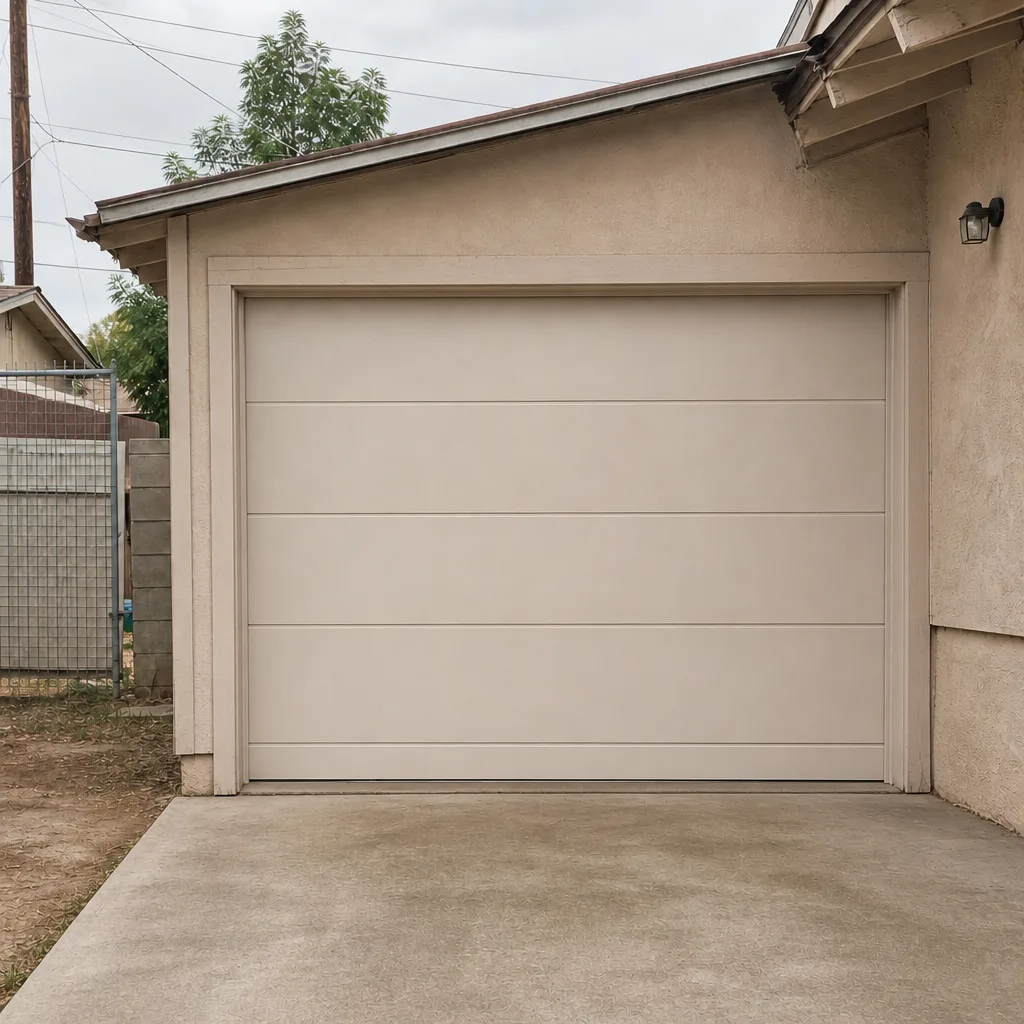 After