
Last updated November 4, 2026
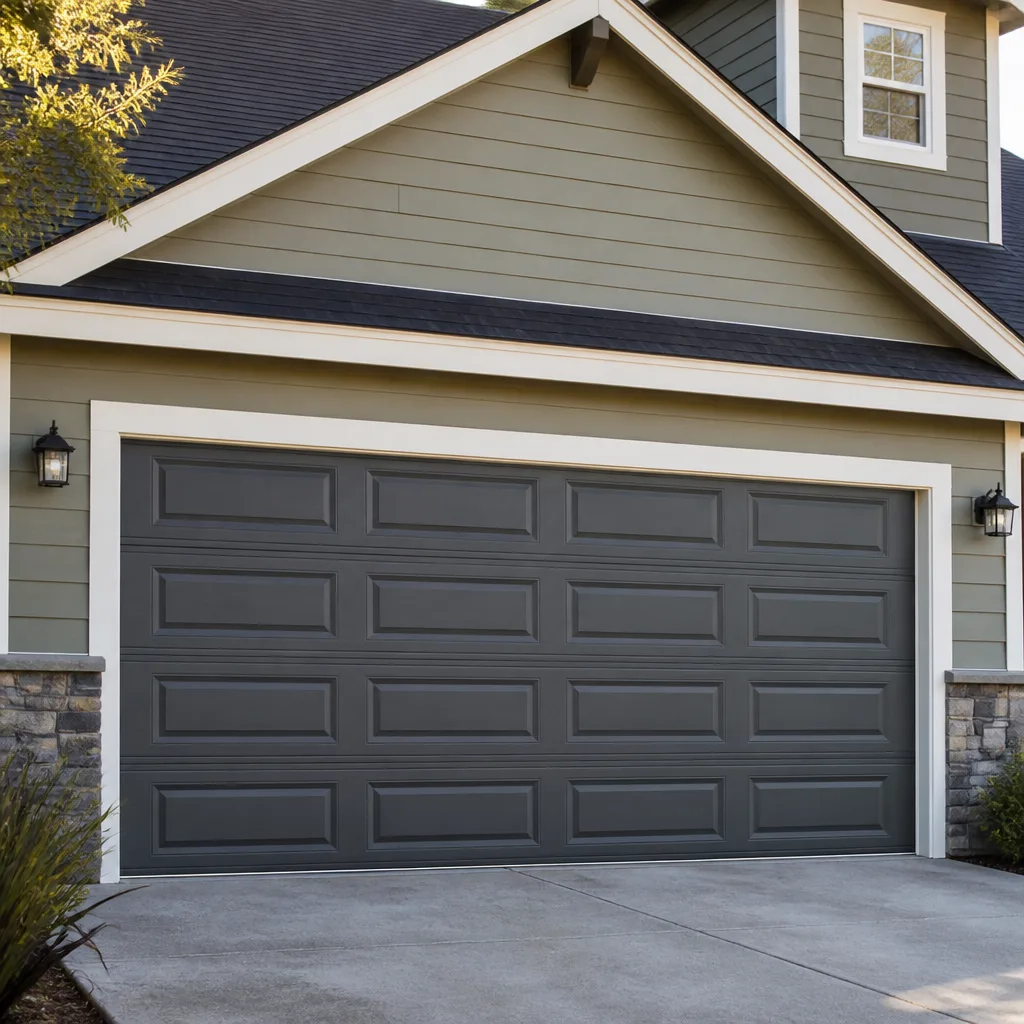 Raised-panel steel
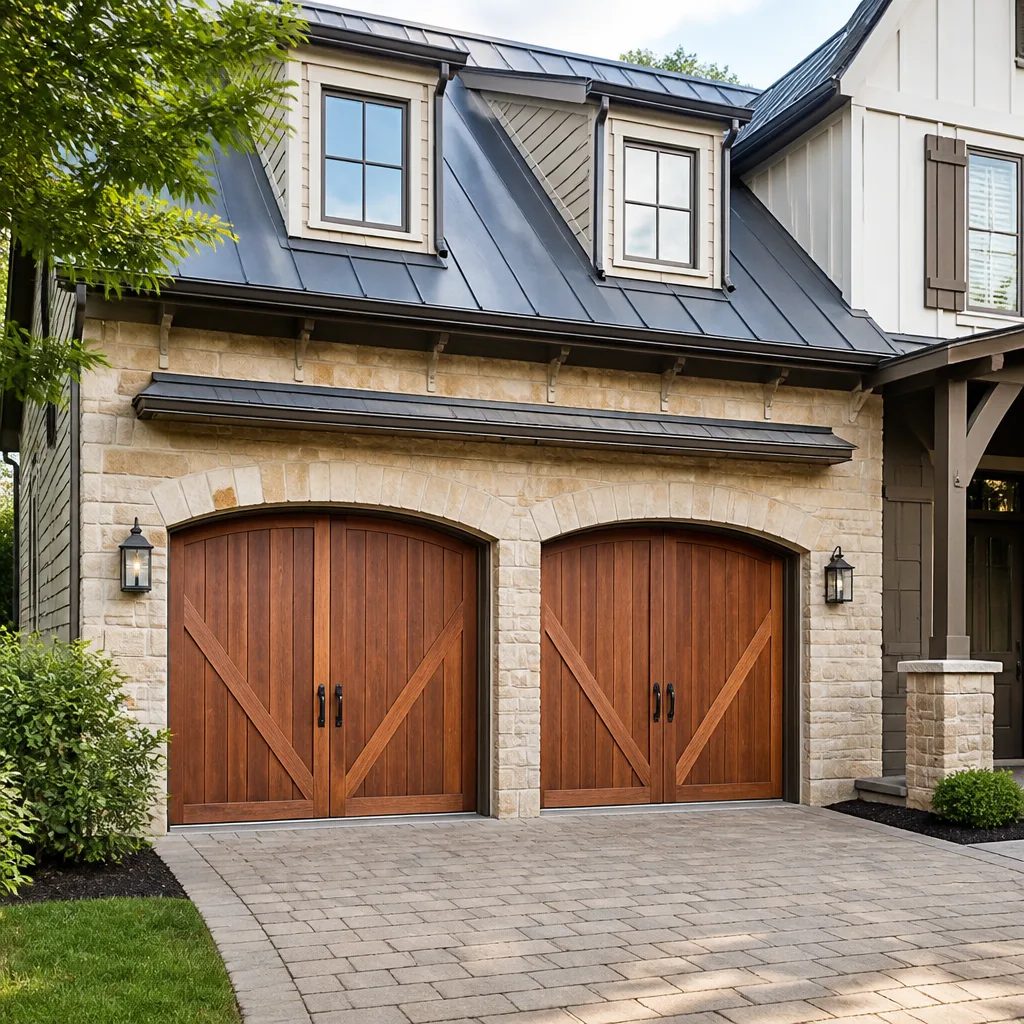 Carriage house
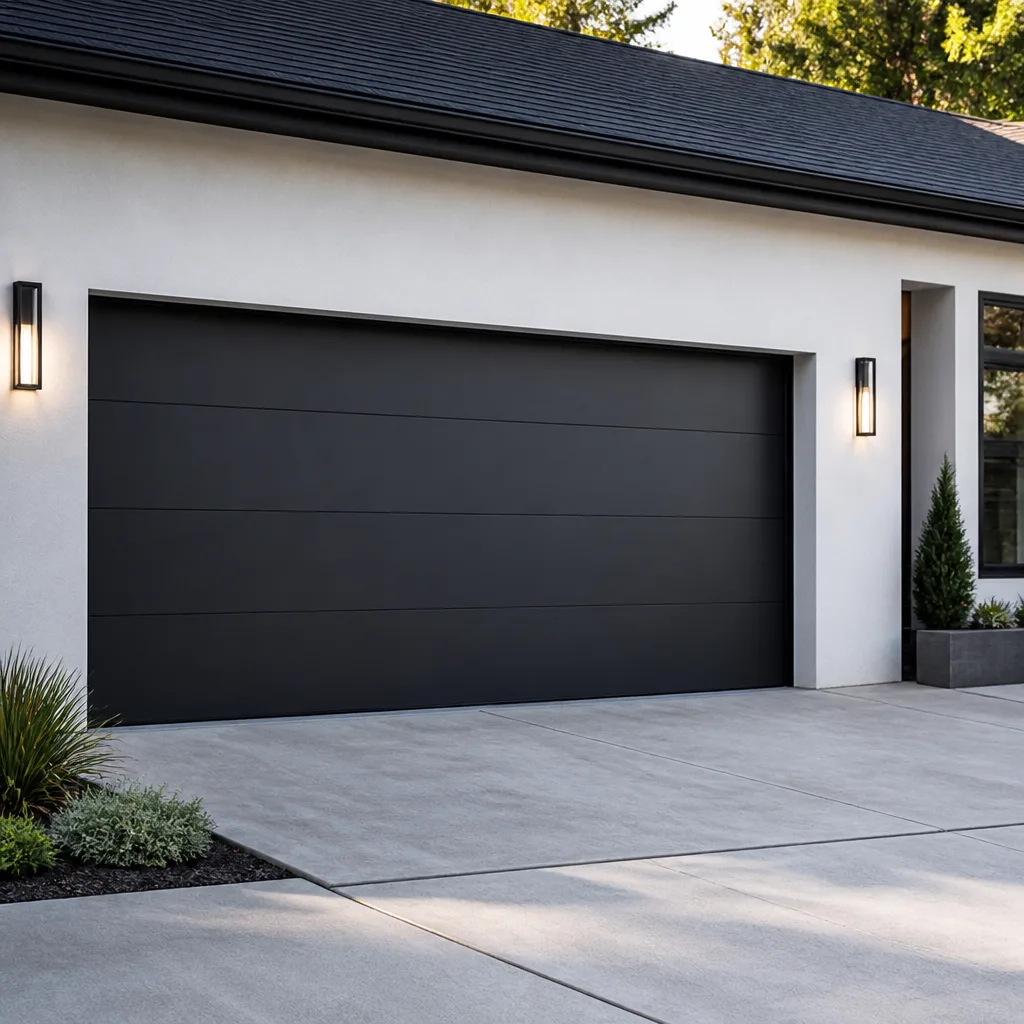 Modern flush
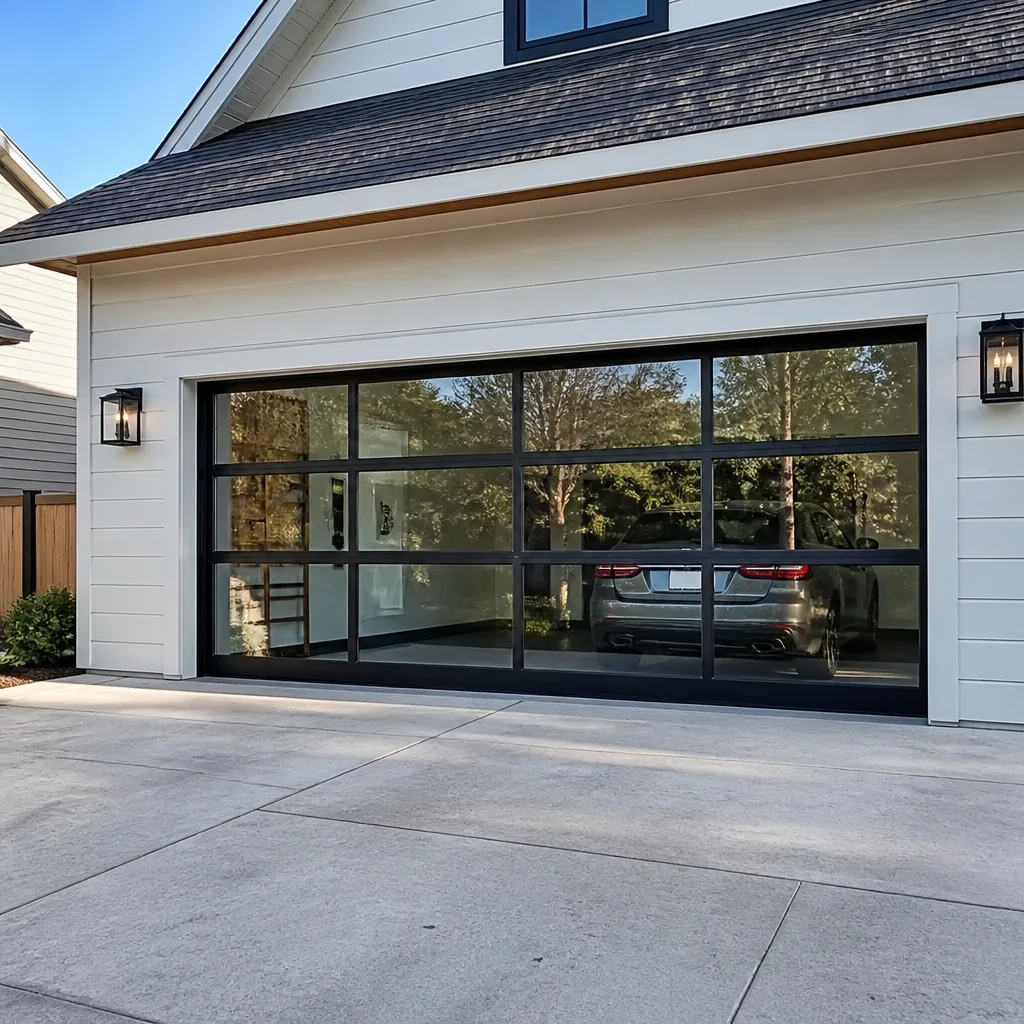 Full-view glass
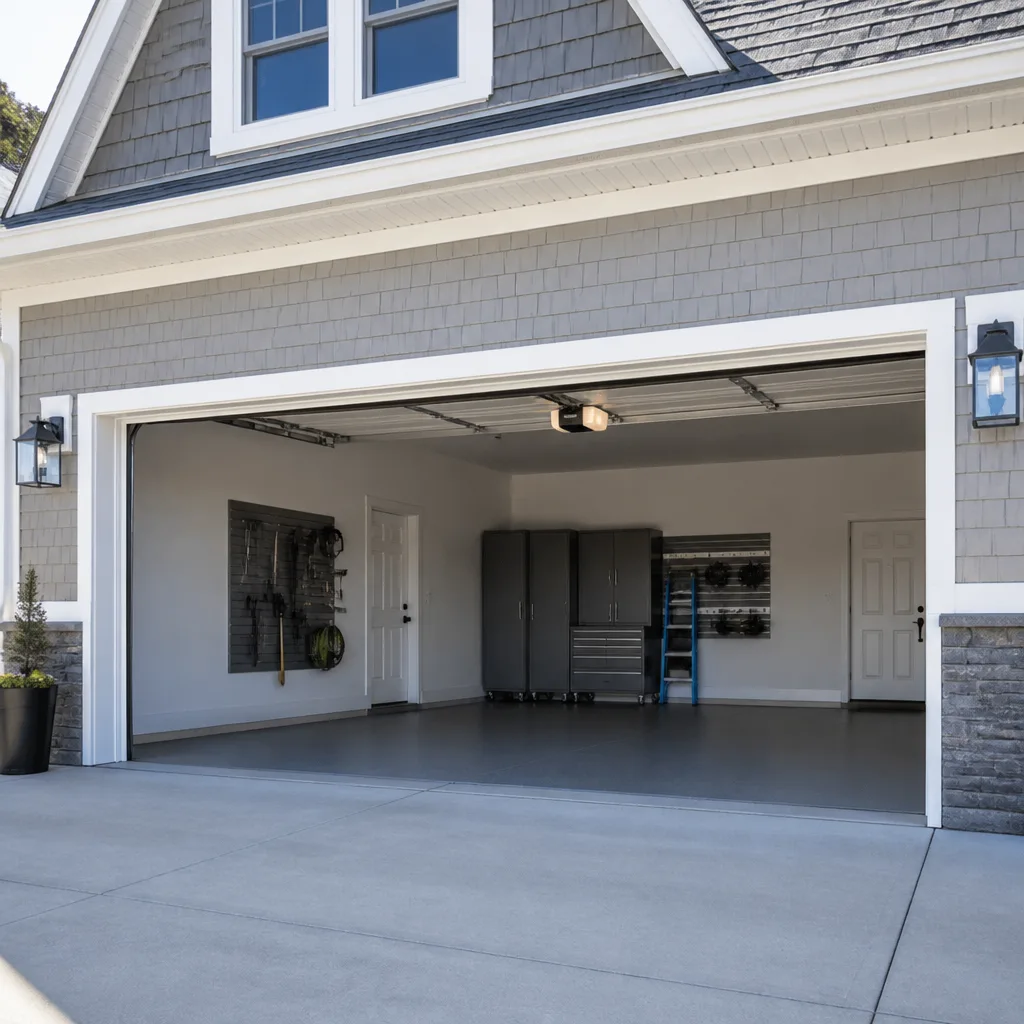 LiftMaster openers
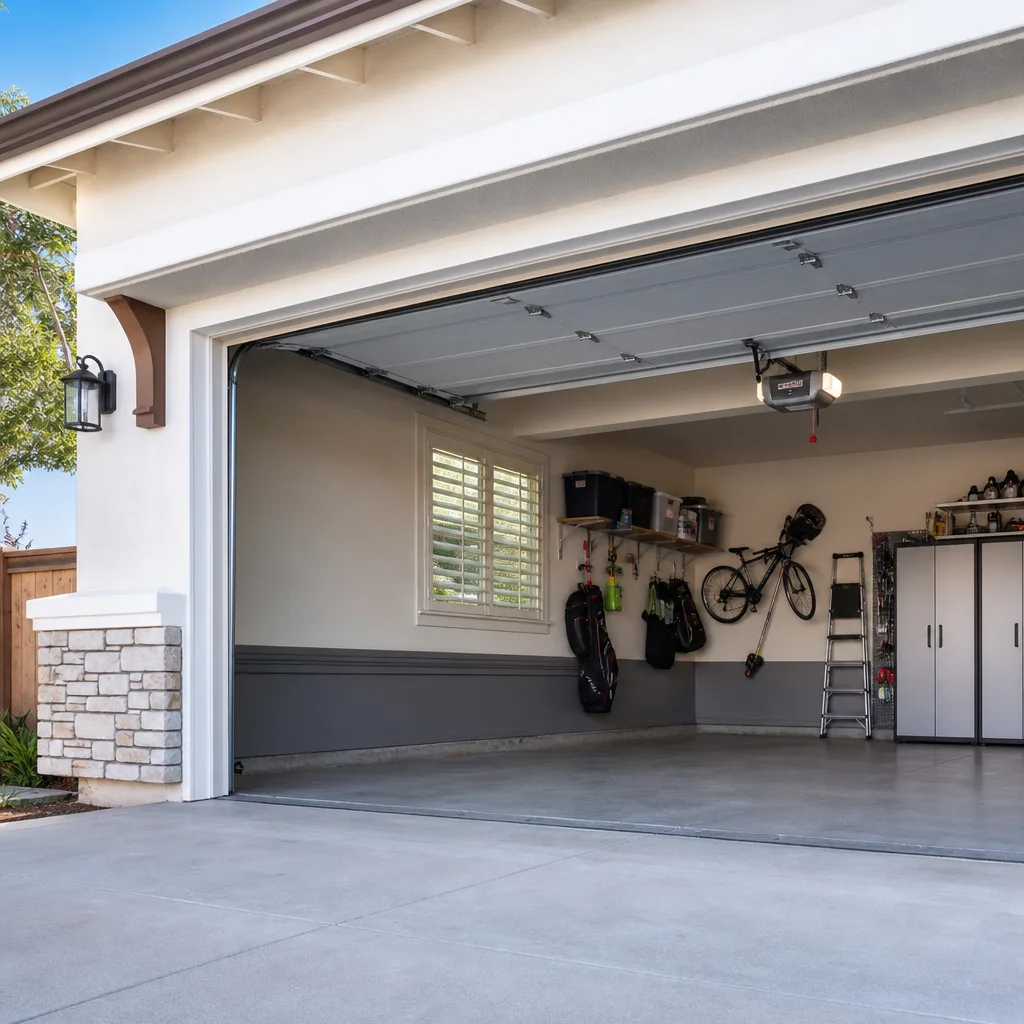 Chamberlain openers
Full 25-point door and opener safety check with every visit - springs, cables, rollers, tracks, and your LiftMaster or Chamberlain opener included
You get a price before we start. It does not change when the truck arrives.
Get your free estimateThe Complete Guide to Garage Doors in Sylmar
Most garage door guides read like they were written for a house in Ohio. But a garage door in Sylmar doesn’t fail the way one fails in a coastal suburb, and the fixes aren’t the same either. If you live here, your door is dealing with triple-digit summer heat, dry air, brush fire smoke, and in some neighborhoods, a hillside that makes your garage the most visible part of the house. This guide covers what actually happens to garage doors in Sylmar, what it costs to fix them, and when a repair makes more sense than a replacement. We’ve built our entire business around Garage Door Repair Sylmar, and this is the information we share with homeowners every week.
Quick Answer
A garage door in Sylmar needs to be understood as a system built for intense heat, dry air, and in many cases, slope and grade changes. The most common failures here are heat-fatigued torsion springs, thermal cutoff trips on openers, and weatherstripping that has baked brittle at the bottom edge. Most repairs run between $150 and $500, while full replacements typically land between $1,200 and $3,800 depending on size, material, and opener integration. Call (855) 360-5967 for a free estimate. We answer 24/7. Fast dispatch from 7am to 7pm, Sunday through Friday.
Styles & brands we work with
- Raised-panel steel
- Carriage house
- Modern flush
- Full-view glass
- LiftMaster openers
- Chamberlain openers
Table of Contents
- What Sylmar’s Climate Does to Garage Doors
- Hillside Homes and Driveway Clearance
- Door Materials That Hold Up in Sylmar’s Dry Heat
- Wildfire Smoke, Ash, and Weatherstripping
- Garage Door Opener Problems in the Valley Heat
- Older Sylmar Tract Home Garages
- What Garage Door Work Costs in Sylmar
- Common Mistakes to Avoid
What Sylmar’s Climate Does to Garage Doors
Here’s the thing that surprises people: the biggest threat to a garage door in Sylmar isn’t an impact or a bad cable. It’s heat. Summer afternoons here routinely cross 100 degrees, and that heat does two things. First, it accelerates metal fatigue in torsion springs. Second, it pushes garage door openers into thermal cutoff, which is when the motor’s internal temperature sensor shuts the unit down to prevent damage. If your opener runs fine in the morning but stops working by early afternoon, the heat inside the garage is usually the culprit.
We work on the brand you already have, and that matters here because thermal cutoff behavior differs by opener type. Belt-drive units from LiftMaster and Chamberlain tend to run cooler than older screw-drive Craftsman models, which generate more friction heat. But even the best opener can’t outrun a garage that has been baking for six hours. The fix is sometimes as simple as better ventilation or a heat shield, but it’s worth having a technician rule out a failing capacitor or worn gear first.
Sylmar sits in the northern San Fernando Valley, where summer heat arrives earlier and lingers longer than in the LA basin. That’s why we tell homeowners to pay attention to spring breakage patterns. A torsion spring that snaps in March is usually just old. One that snaps in August after a week of 105-degree days is often heat-accelerated metal fatigue. The distinction changes how we approach the rest of the door, because if one spring failed from thermal cycling, its partner is likely close behind. Springs are sold and replaced as a pair for exactly this reason.
Hillside Homes and Driveway Clearance
Parts of Sylmar climb. North of Foothill Boulevard and up toward the San Gabriel foothills, you’ll find homes where the garage is built into a slope or sits at the top of a steep driveway. That changes the load math on a door in ways a flat subdivider never has to think about. A door that has to hold against gravity on an incline puts more strain on its springs, cables, and opener gear than the same door sitting flat. We see it in shortened spring life and in opener gears that strip out a year or two earlier than expected.
One of the most common calls we get from these neighborhoods is about door weight. Homeowners replace a rotted wood door with a heavier steel one, or they add insulation, and suddenly the existing opener is struggling. Opener torque ratings exist for a reason. A half-horsepower opener that was adequate for a lightweight door on a flat driveway can be underpowered on a slope, especially if the door is now heavier. When this happens, the opener makes a grinding sound, moves slower, or stops halfway through its travel. Repair or replace, we’ll tell you which one makes sense, but on hillside homes it’s often the opener that has to change rather than the door.
There’s also a clearance issue specific to sloped driveways and older garages. The door’s bottom seal has to compress evenly across the full width, or you end up with a gap at one corner. On a slope, that gap isn’t just an air leak. It’s an entry point for rodents, and in Sylmar, for ash and dust. If you live in Sylmar and notice daylight under one corner of your door, have a technician check the track alignment and the concrete where the door lands before you assume the door itself is warped.
Door Materials That Hold Up in Sylmar’s Dry Heat
The dry heat here is kind to some materials and brutal to others. Our experience, based on doors we’ve inspected and installed across Sylmar, tells a clear story. Steel doors hold up well in this climate because they don’t absorb moisture, but they need a factory-applied primer and paint, because the sun will fade and chalk a poor finish fast. Amarr and Wayne Dalton both build steel doors with thermally broken sections that resist the worst of the heat transfer, which helps keep the garage interior from turning into an oven.
Wood doors are where we see the most problems in Sylmar. It’s not rot, because we don’t get the humidity for that. It’s warping. A solid wood door facing due west gets hot enough to dry out unevenly, and the panels begin to cup or bow. Once that starts, the door doesn’t seat squarely against the jambs. Homeowners notice drafts, light gaps, and a door that suddenly seems harder to open. Some wood doors can be saved with refinishing and panel adjustment, but many get replaced with a steel or composite door that won’t warp in the heat.
Fiberglass and vinyl doors are a mixed bag. They don’t warp and they don’t corrode, which makes them a reasonable choice for Sylmar. But the darker colors can get hot enough to soften slightly in direct sun, and we’ve seen lightweight vinyl doors flex when they’re overmatched by wind in the valley’s afternoon gusts. Raynor builds a line of fiberglass doors with steel reinforcement, and that’s the style we point people toward if they want the look of wood without the warping problem. The decision comes down to exposure: south and west facing doors take the worst of the sun, and that’s where material choice matters most.
Here’s a quick reference for how common door materials handle Sylmar conditions:
- Steel: Excellent heat resistance, minimal maintenance, needs good paint. Best all-around choice.
- Aluminum: Lightweight and won’t rust, but dents easier on windy or busy driveways.
- Wood: Classic look, but prone to warping in sustained dry heat. Needs regular refinishing.
- Fiberglass: Won’t warp or rust, but dark colors can soften in direct sun.
- Vinyl: Won’t rust or warp, but can flex in high wind and isn’t as rigid as steel.
Wildfire Smoke, Ash, and Weatherstripping
People don’t usually connect garage doors to fire season, but in Sylmar it’s one of the first things we think about. Brush fire smoke and ash are a regular part of late summer and fall here, and the average garage door has gaps. The bottom seal gets compressed and cracked from years of heat. The side weatherstripping pulls away from the jambs. The top seal, if there is one, rarely gets replaced. All of those gaps let ash and smoke into the garage, and from there, into the house if the garage is attached.
Weatherstripping choice matters more in Sylmar than in most LA neighborhoods because ash is abrasive and smoke is pervasive. A cheap vinyl bottom seal will bake brittle in one season and then crack when the door closes on it. We recommend rubber or EPDM seals, which stay flexible in the heat and hold their shape better. If you live in the fire-risk zones north of the 210, it’s worth having the seals inspected every couple of years, especially before the Santa Ana wind season starts. A tight door does more than keep ash out. It keeps the wind-driven smoke from working its way through the garage, and that’s a comfort issue for anyone with allergies or respiratory sensitivity.
There’s also a practical point about opener sensors and smoke. Opener photo eyes sit near the floor, and in a dusty or ashy environment they can get coated to the point where the opener refuses to close. If your door reverses for no reason during fire season, clean the sensor lenses before you call for repair. It’s a two-minute fix that saves a service visit. But if the sensors are clean and the door still reverses, that’s a sign of a closing force problem or a track obstruction, and it’s worth having a professional look at it.
Garage Door Opener Problems in the Valley Heat
The opener is the component homeowners most often neglect until it fails completely, and in Sylmar, the heat makes failures more predictable. We’ve already covered thermal cutoff. But there are other heat-related issues that show up consistently. Capacitors fail faster in high heat. Circuit boards develop cracked solder joints as the garage temperature swings from cold morning to hot afternoon and back. Nylon gears inside the opener housing can soften and strip, especially on older screw-drive units that were already running hot.
Opener problems diagnosed, not guessed. That’s the approach we take because swap-the-part repair doesn’t work on modern openers. If the unit is from LiftMaster or Chamberlain, it’s often a logic board issue or a travel module problem that needs specific diagnosis. If it’s a Genie, it could be the RPM sensor or the force adjustment. Screw-drive Craftsman units are simpler, but they make more noise and run hotter, and parts are getting harder to find as those units age out. We work on all of these, and opener repair is a dedicated service for us, not an afterthought. It’s the most failure-prone component in the system, and fixing it right usually beats replacing the whole opener.
Here’s a simple step-by-step check to run before you call, because it often saves you the trip:
- Check the wall button and the remotes separately. If one works and the other doesn’t, it’s the remote or the wall unit, not the opener.
- Look at the photoelectric sensors near the floor. Both lights should be solid. If one blinks, the sensor is misaligned or dirty.
- Unplug the opener for 60 seconds and plug it back in. This resets the logic board and clears temporary thermal cutoff faults.
- Try to open the door manually. If the door is heavy and won’t stay up, a spring has failed and the opener may be shutting itself off to avoid damage.
- Listen to the motor. A humming sound with no movement means a stripped gear or a bad capacitor. A grinding sound means the drive assembly needs attention.
If any of those steps turns up a problem you can’t fix safely, call us. One call covers the door and the opener, and that matters because a lot of opener failures are actually door failures in disguise.
Older Sylmar Tract Home Garages
Some of the oldest housing stock in Sylmar goes back to the 1950s and 1960s, and those garages were built for different cars and different expectations. The openings are narrower. The headroom above the door is lower. The side clearance is often tight. All of that affects what kind of door and opener you can install today, and it’s where a generic big-box installation goes wrong.
Take headroom, for instance. A modern door with a standard radius track needs about 12 to 15 inches of clearance above the opening. Some Sylmar tract home garages have less than that, which means the door needs low-headroom hardware or a different track radius. Installers who only do one thing will force a standard kit in and the door will bind. We’ve seen it. The same goes for side clearance. A torsion spring assembly needs room at the ends of the shaft, and older garages with the door tight to the side wall need special brackets. These are the details that determine whether a door runs smooth for 15 years or starts chewing cables in the first six months.
There’s also an upgrade question specific to older ceilings. Many of these garages were built with open rafters rather than finished drywall, and the mounting point for the opener has to be solid. If the opener hangs from a single 2×4 that has been there for 60 years, it will shake itself loose over time. A proper installation includes a cross brace and sometimes a steel angle bracket. It’s not glamorous, but it’s the difference between a quiet opener and one that rattles the ceiling every time it runs.
What Garage Door Work Costs in Sylmar
Let’s talk numbers, because you shouldn’t have to guess. The prices below are typical ranges for the Sylmar market. They are estimates, not quotes. Your written estimate sets the final price before any work starts, and that’s the number we agree on before we touch a single bolt. Estimates are free.
- Torsion spring replacement (one spring): $180 to $300. Replace the pair, which is standard, and it’s roughly $360 to $600.
- Extension spring replacement (one spring): $120 to $220. A pair runs $240 to $440.
- Cable replacement (one side): $90 to $180. Both sides, $180 to $360.
- Track repair or adjustment: $120 to $250.
- Opener repair (board, gear, capacitor, sensor): $100 to $350 depending on the part and the opener brand.
- New opener installation: $350 to $750, including the opener, hardware, and labor.
- Full door replacement (single, steel): $1,200 to $2,400.
- Full door replacement (double, insulated steel): $2,000 to $3,800.
Those ranges shift with material, insulation, opener integration, and the access issues we covered in the tract home section. A custom hillside retro-fit with low-headroom track and a heavier door will land at the top of the range or above. A basic single door swap with no opener work lands at the bottom. What you won’t get is a price that changes once we see the job, because the written estimate is the price.
The fastest way to know where your job falls is to call and describe the door. We answer 24/7. Fast dispatch from 7am to 7pm, Sunday through Friday. Call (855) 360-5967 and we’ll give you a free estimate and an honest recommendation, whether that’s a repair or a replacement.
Common Mistakes to Avoid
- Not watching the door’s balance. If you disconnect the opener and the door doesn’t stay put when you let go, the springs are failing. Waiting until they snap means a heavier repair and potential damage to cables and track.
- Buying an opener by horsepower alone. Horsepower matters, but so does the drivetrain type and the duty rating. A belt-drive with a lower rating often outlasts a screw-drive with a bigger motor, especially in Sylmar’s heat.
- Ignoring a reversing door. A door that reverses during closing is telling you something. It might be a dirty sensor, or it might be the force adjustment. Leaving it unfixed risks a door that slams down on a car, a bike, or a person.
- Putting a heavier door on an old opener. Hillside homes and insulated doors add weight. If you’re replacing a flimsy door with a heavier one, the opener has to be matched to the load, or the gear strips and the board burns out.
- Replacing the door before the springs. A door replacement should include spring evaluation. New door, old springs, and you’ll be back to service in a year with the same breakage problem.
- Forgetting the weatherstripping until fire season. In Sylmar, the bottom seal and side seals are your first line of defense against ash and smoke. Replacing them every few years is cheap insurance, and it keeps the garage cleaner.
- Calling a generalist. A garage door is a specialty system with dangerous springs, precise track alignment, and opener logic boards. A handyman who does gutters and drywall too is not the person diagnosing a Chamberlain logic board. Built for this trade only is not a slogan. It’s the minimum bar.
See the difference
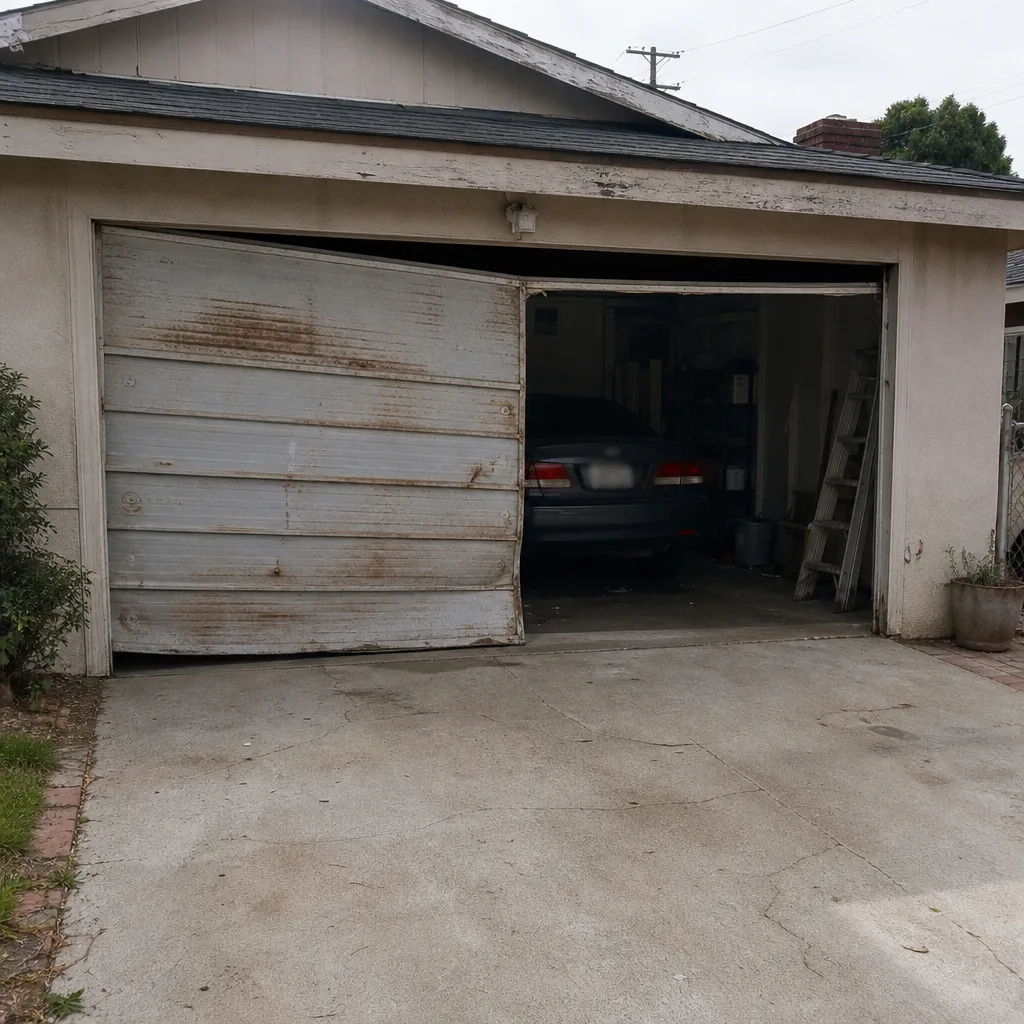 Before
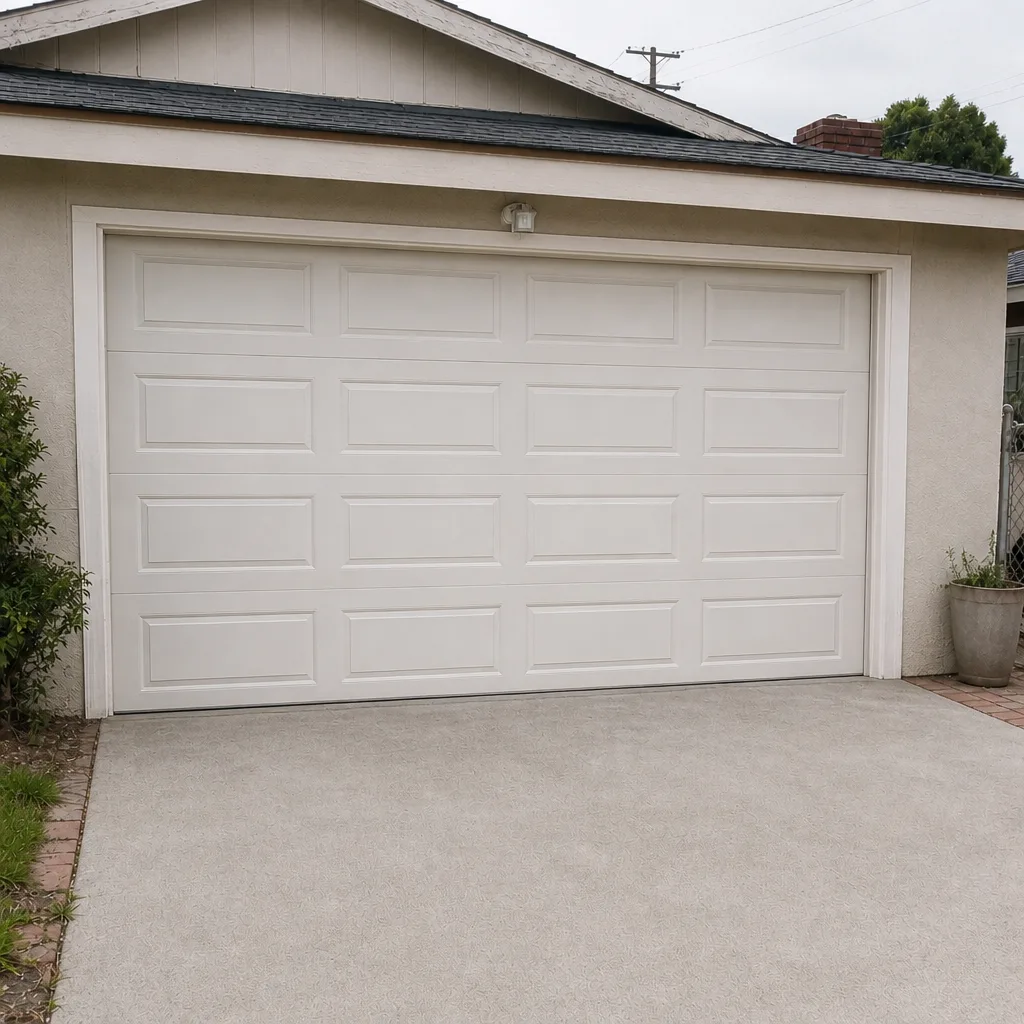 After
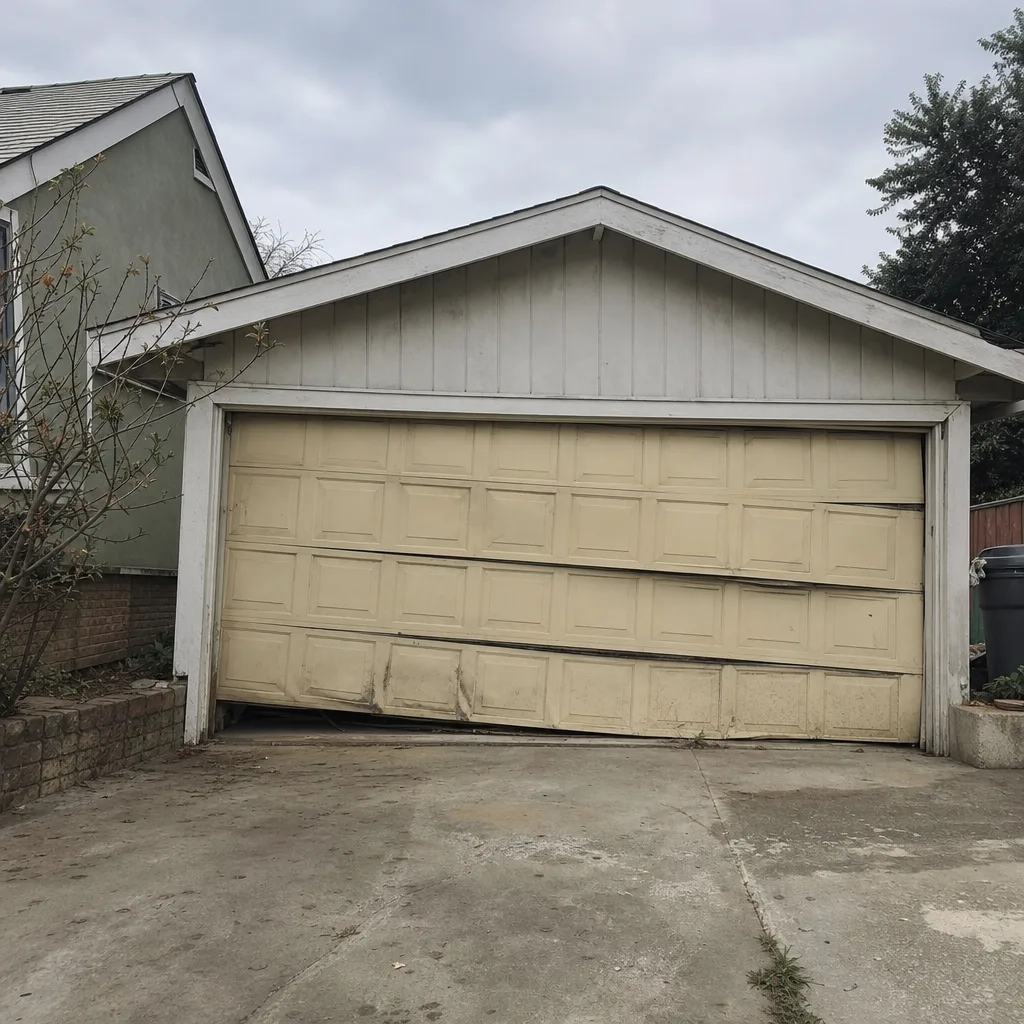 Before
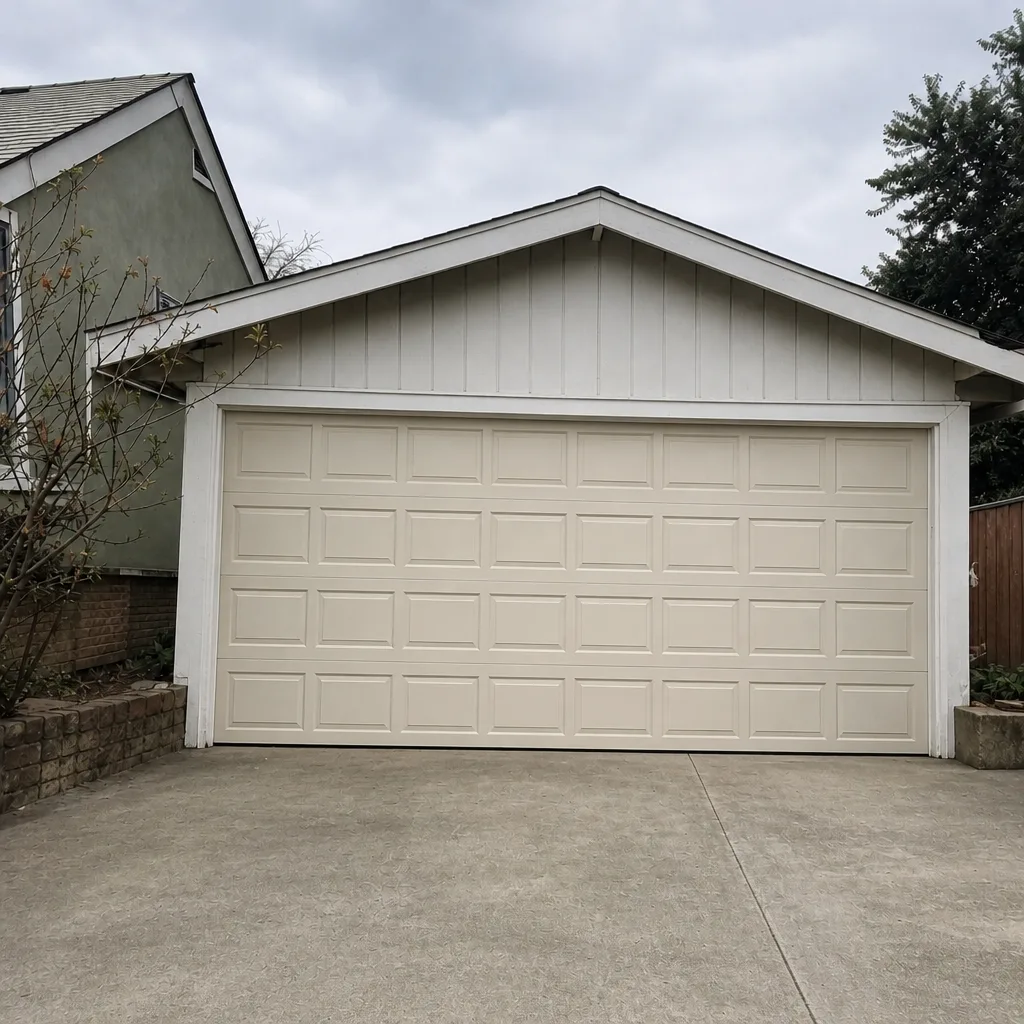 After
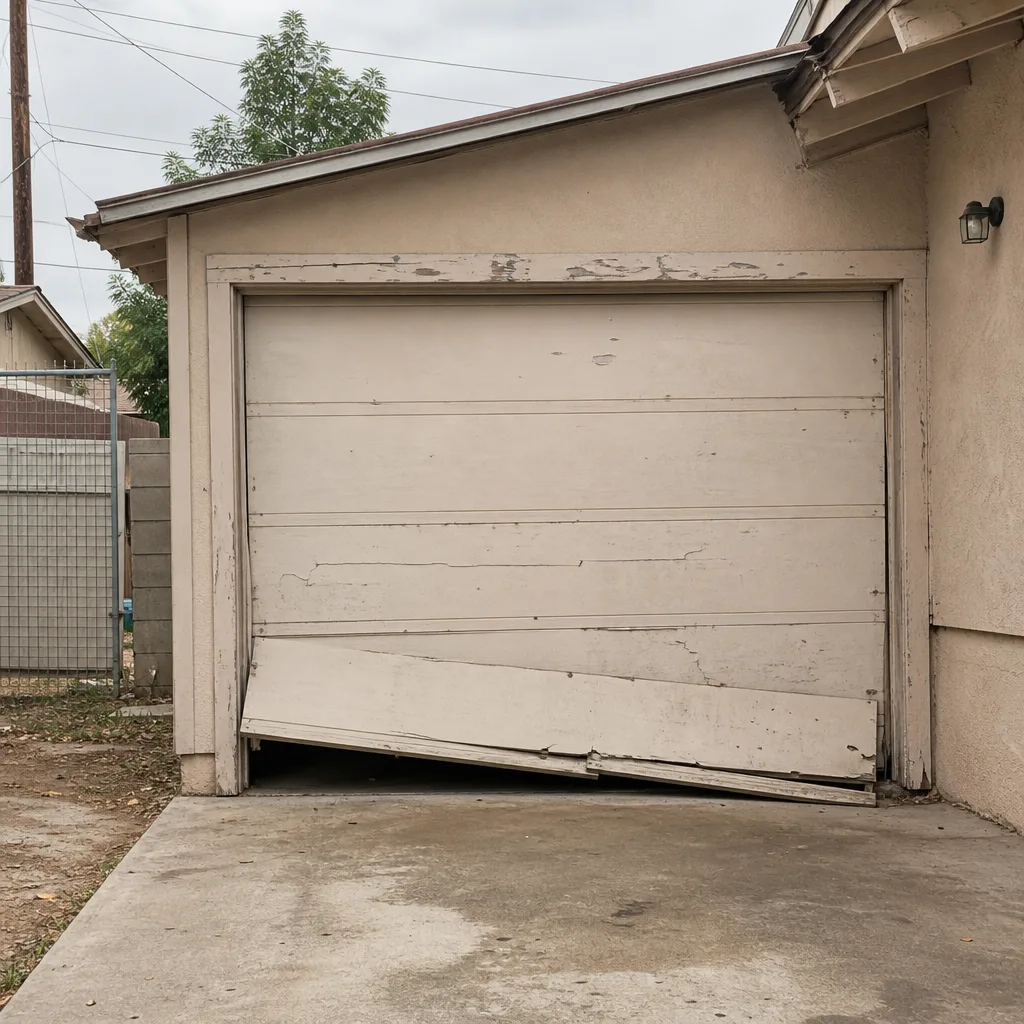 Before
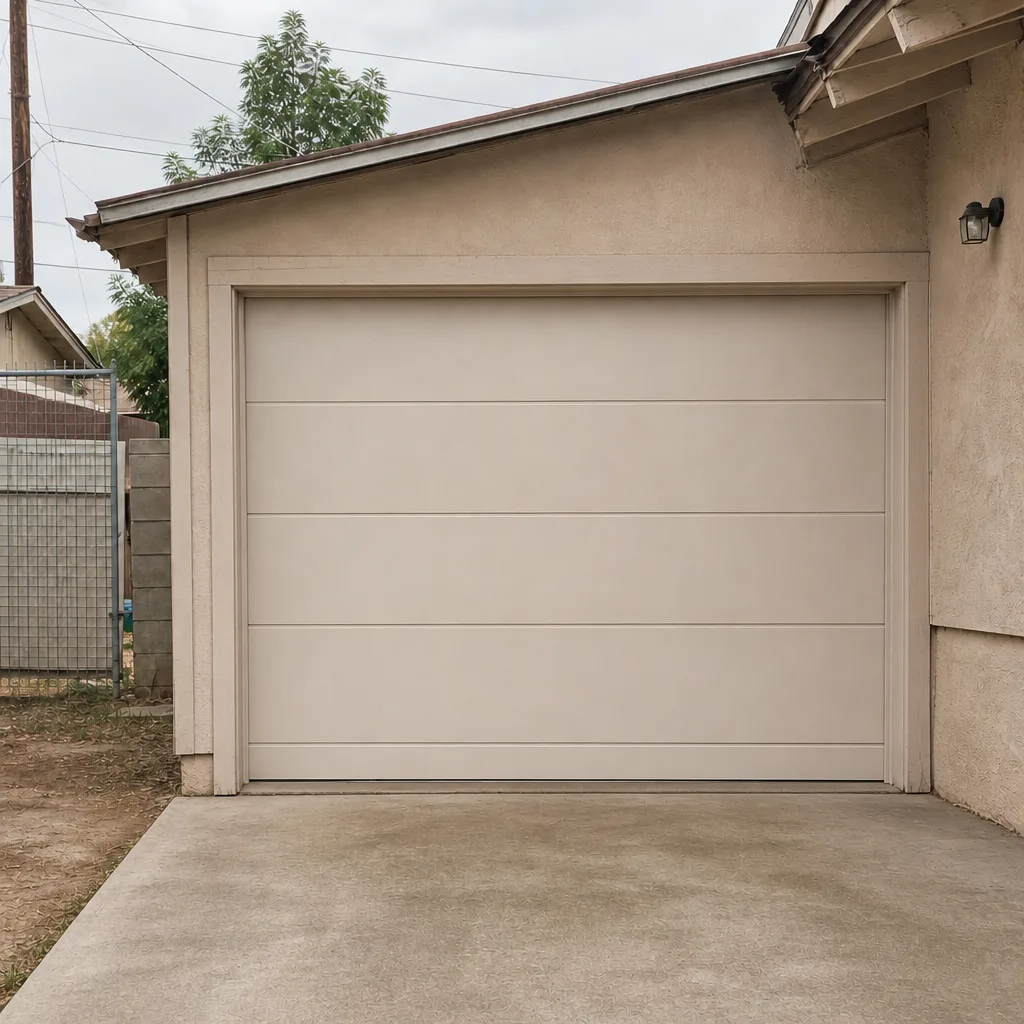 After
When to Call a Professional
Some garage door issues are safe to check yourself, like cleaning sensors or tightening a loose bolt on a handle. But anything that involves the springs, the cables, or the opener’s internal components is a different story. Torsion springs are under enough tension to cause serious injury if they release wrong, and cables can whip faster than you can react. If the door is off its tracks, if a cable is frayed or hanging, or if the opener makes a loud bang and stops, do not keep operating the door. Disconnect the opener, leave the door down if possible, and call someone who does this work every day. Garage door repair in Sylmar starts with a free estimate and a written price before any work begins. Call (855) 360-5967. We answer 24/7. Fast dispatch from 7am to 7pm, Sunday through Friday.
Frequently Asked Questions
A single torsion spring typically runs $180 to $300, and since springs are replaced as a matched pair, expect $360 to $600 for both. The exact number depends on the spring size and door weight, and we give you the written price before we start. Call (855) 360-5967 for a free estimate.
Hot days trigger the thermal cutoff inside the opener motor, a built-in safety that shuts the unit down when it gets too hot. Sylmar garages routinely reach temperatures that push openers into this range, especially older screw-drive units. Better ventilation helps, but recurring cutoff can also mean a failing capacitor or worn gear. Garage door opener repair starts with diagnosis, not parts-swapping.
Yes. We answer 24/7 and dispatch technicians from 7am to 7pm, Sunday through Friday. Same-day service is available for most repairs, and for anything that can’t be solved on the spot, we’ll schedule the next opening and give you a written estimate.
No. The written estimate is the price we agree on before work starts. We show you the number, you approve it, and then we begin. There’s no surprise invoice after the fact.
We carry a range of common torsion and extension springs, cables, rollers, and hardware on the truck for most residential doors. If your door uses a less common size or a custom spring, we source it quickly and schedule the install. Either way, you’ll know before we start.
If the door is warped, rusted through, or has structural panel damage, replacement is usually the better long-term answer. If it’s a spring, cable, roller, or track issue, the door itself is probably fine and repair makes more sense. We’ll give you an honest read: repair or replace, we’ll tell you which one makes sense, and we won’t push a new door when a $200 spring job fixes it.
The Bottom Line
A garage door in Sylmar lives a harder life than most. The heat ages springs faster. The hillsides strain openers and track. The fire season makes weatherstripping a real comfort and air-quality issue, not a cosmetic one. And the older tract home garages need someone who understands tight clearances and low-headroom track. If you remember one thing from this guide, make it this: a garage door is a system, and the door and the opener have to work as a pair. Fix one without checking the other, and you’ll be back on the phone in a season. We’ve worked on the brands you already have since 2015, and we cover the whole system in one call. For a free estimate, call (855) 360-5967. We answer 24/7. Fast dispatch from 7am to 7pm, Sunday through Friday.
Written by the team at Garage Door Repair Sylmar, serving Sylmar since 2015.