
Last updated November 4, 2026
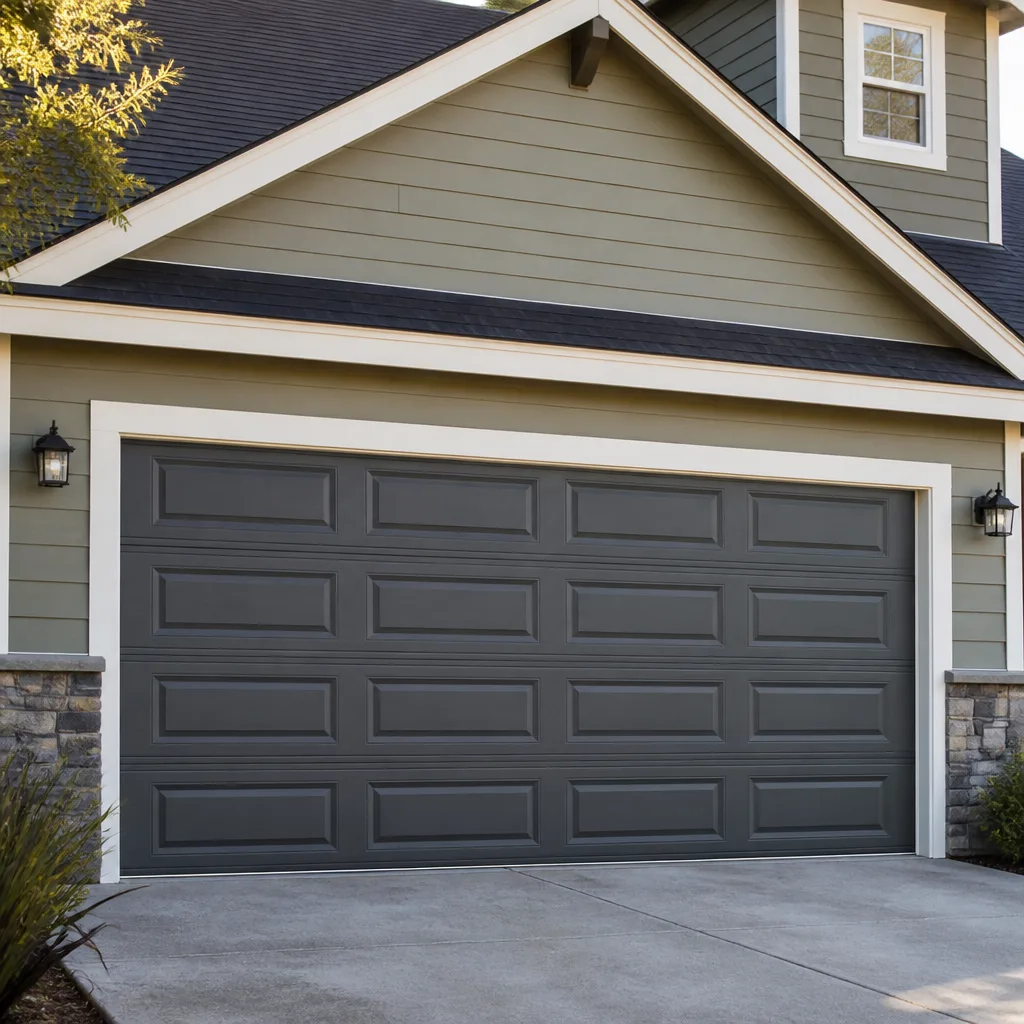 Raised-panel steel
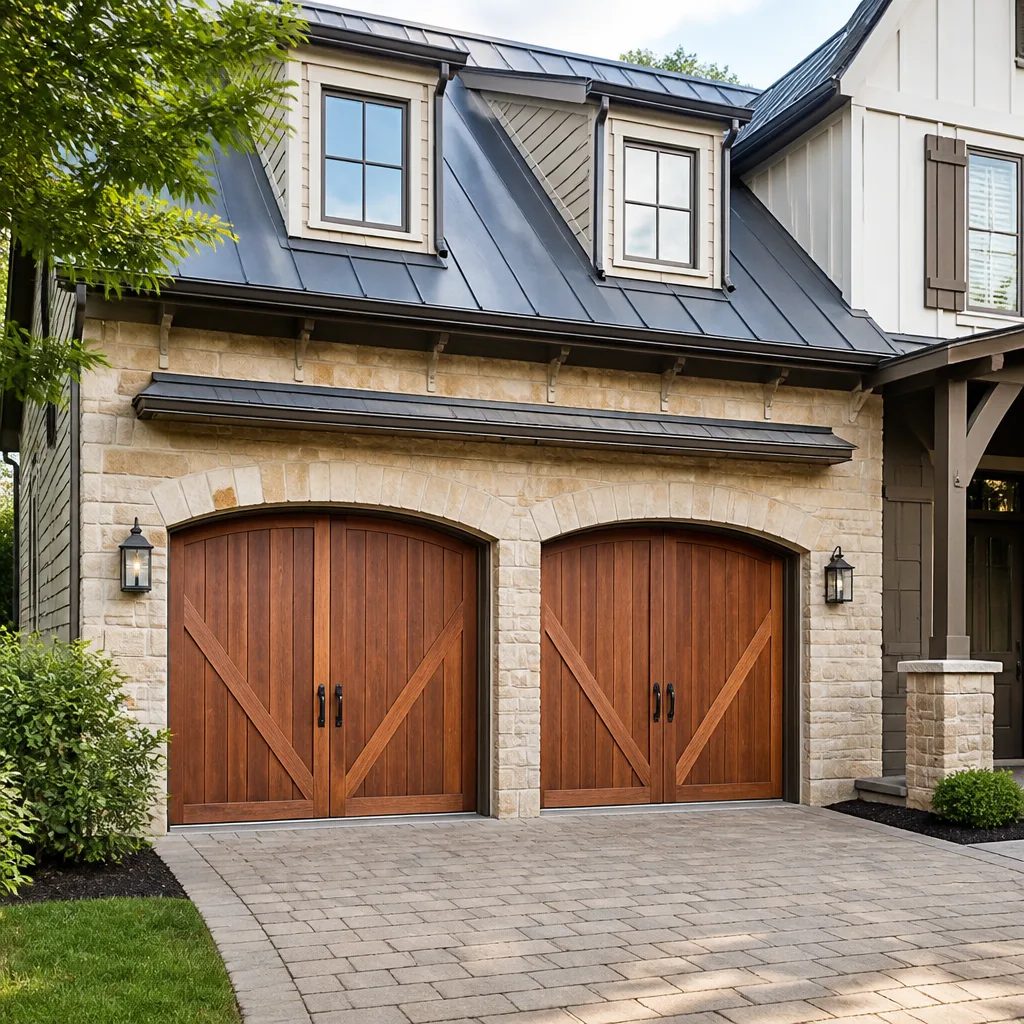 Carriage house
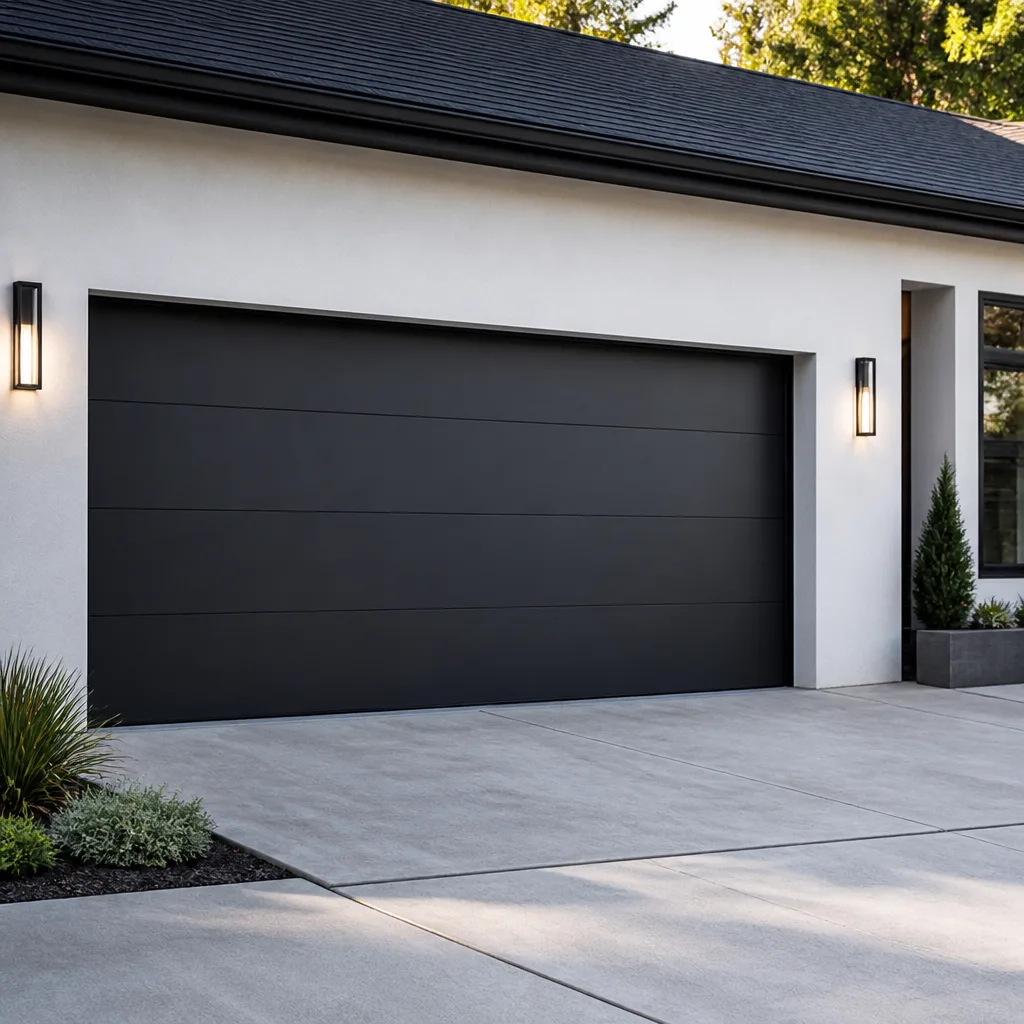 Modern flush
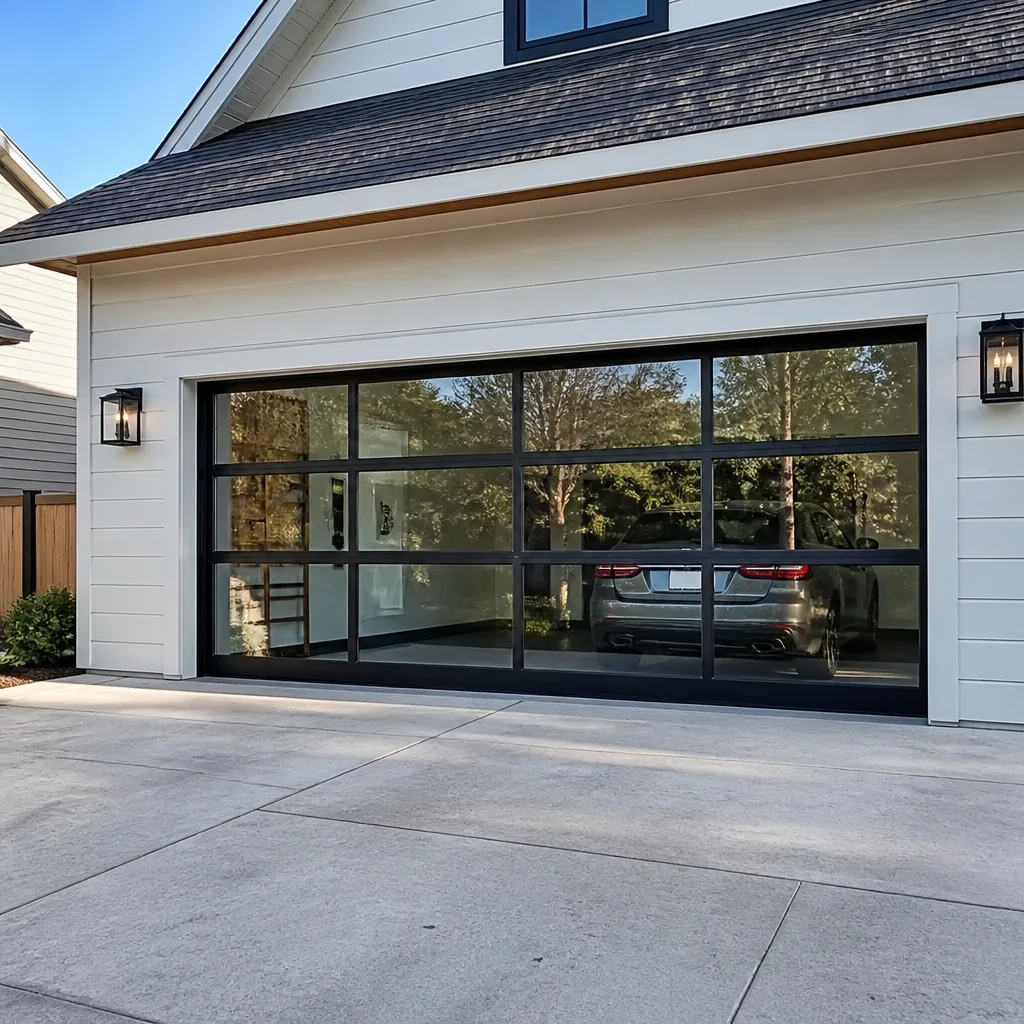 Full-view glass
 LiftMaster openers
 Chamberlain openers
Full 25-point door and opener safety check with every visit - springs, cables, rollers, tracks, and your LiftMaster or Chamberlain opener included
You get a price before we start. It does not change when the truck arrives.
Get your free estimateGarage Door Repair Maintenance Schedule: What to Do and When
A garage door used four times a day logs roughly 1,400 open-and-close cycles every year. Most manufacturers rate their torsion springs for 10,000 cycles. That math gives you about seven years before the springs fail, and the clock started the day you moved in, not the day you first noticed the door feeling heavy. Most maintenance advice ignores this and tells you to lubricate once a year, which is like servicing your car by the calendar instead of the odometer. Here’s a schedule built around how much your door actually works and what Sylmar’s climate asks of it, so you can catch wear before it strands you in the driveway.
Quick Answer
A practical garage door maintenance schedule in Sylmar is built around use, not just months: lubricate moving parts every 1,000 cycles (about every 3 to 4 months for an average two-car household), inspect tracks and weather seals monthly, check balance every 6 months, and do a full spring and post-Santa Ana wind inspection. Doors on two-car garages need more frequent attention than single-car doors because they run twice as often.
Styles & brands we work with
- Raised-panel steel
- Carriage house
- Modern flush
- Full-view glass
- LiftMaster openers
- Chamberlain openers
Table of Contents
- Why Use-Based Maintenance Beats a Calendar
- Sylmar Seasonal Adjustments: Summer Heat and Santa Ana Winds
- The Lubrication Schedule: What Goes Where, What to Avoid
- The Five-Minute Monthly Self-Inspection
- The Six-Month Balance and Hardware Check
- How to Document Maintenance So a Technician Can Forecast Wear
- Common Mistakes to Avoid
- When to Call a Professional
- Frequently Asked Questions
Why Use-Based Maintenance Beats a Calendar
Two cars, two drivers, a gym schedule, school drop-off. A garage door on a two-car household in Sylmar can run eight to twelve times a day without anyone noticing. That’s 3,000 to 4,400 cycles a year, which means those 10,000-cycle springs reach their design life in under three years. A single-car household where someone works from home might hit 500 cycles a year. Same calendar, completely different door.
This is why we tell homeowners to think in cycles, not months. A cycle is one full open and one full close. Count how many times the door moves in a typical day, then use these trigger points:
- Every 1,000 cycles (roughly 3 to 4 months for a two-car household): Lubricate rollers, hinges, springs, and the lock mechanism.
- Every 2,000 cycles (about 6 to 7 months for a two-car household): Check spring tension and door balance; clean the track of debris.
- At 7,000 cycles: Start budgeting for spring replacement. Don’t wait for the snap.
- At 10,000 cycles: Springs are past their rated life. You’re not on borrowed time, you’re past it. Book the replacement proactively.
If you don’t know how many cycles your door is rated for, ask. A technician can check the spring’s color code and wire gauge to tell you, and from there you can build a schedule that matches your actual use instead of someone else’s calendar. This is the difference between replacing springs on a Tuesday afternoon you chose and waiting for a door that won’t open on a Sunday morning.
Sylmar Seasonal Adjustments: Summer Heat and Santa Ana Winds
Sylmar runs hot in summer and catches real wind when the Santa Anas blow through the passes in fall and winter. Both conditions put specific stress on garage door hardware, and neither shows up on a generic national maintenance checklist.
Pre-summer heat prep, twice a year: Steel expands when it’s hot. A door that fits perfectly in February can run slightly tighter in August, and that added friction loads the opener motor. Before the worst heat arrives, listen to the door. A motor that sounds strained on a 95-degree afternoon is working harder than it should. Check for:
- Rollers that have developed flat spots or resistance from the heat cycle.
- Track bolts that have loosened as metal expanded and contracted through previous seasons.
- The opener’s travel limits, which can need a small adjustment as the door’s final resting position shifts with expansion.
- Weather seal along the bottom of the door, which can soften and deform in extended heat.
After a Santa Ana wind event: The wind blows grit, leaves, and fine dust into every gap, and it can also push the door slightly sideways as it sits closed. Walk the track and check for debris, especially at the bottom curves where the rollers reverse direction. A small pebble lodged in the track at the wrong spot can wear a roller flat in weeks. Also check the weather seal along both sides and the top of the opening for tears or pulled sections. Wind that gets behind a torn seal starts working the door like a sail, and that loads the panels and hinges unevenly.
For doors from weather-sensitive product lines, like the wood-composite options from Clopay or the insulated steel from Amarr, this seasonal check matters more than it does for builder-grade doors. Wood and composite absorb and release moisture on a different schedule than steel, and Sylmar’s dry heat alternates with damp winter mornings. Check the panel seams, not just the hardware.
The Lubrication Schedule: What Goes Where, What to Avoid
The most common garage door maintenance mistake we see is people using the wrong product on the wrong part. The second most common is not lubricating at all until the door gets noisy, and by then the wear is already underway.
What to lubricate, and with what
- Rollers (the wheel part): Use a silicone-based lubricant or white lithium grease on the bearing where the wheel meets the stem. Do not oil the nylon wheel face itself; it rides on the track and doesn’t need it.
- Hinges: A light machine oil or spray silicone on the pivot pins. You’re not coating them, just getting oil into the joint.
- Torsion springs: Use a thin coat of garage-door-specific spring lubricant or a spray silicone. Spray the top of the spring while the door is closed, so oil runs into the coil gaps. Do this every 1,000 cycles, not once a year.
- Lock and handle mechanism: A few drops of machine oil. These parts see very little movement and they bind up fast from dust and heat.
- The opener rail (screw drive and belt drive): Most modern openers from Genie use a belt or chain that shouldn’t be lubed, but the rail on a screw-drive unit takes a small amount of specific opener grease. Follow the opener’s manual, and if you don’t have it, the brand’s model number gets you the guide online.
What to avoid, every time
WD-40 on springs is the single fastest way to shorten their life. It’s a solvent, not a long-term lubricant, and it strips what little factory coating is on the spring. It also attracts dust. What happens next is a spring that develops surface rust, then stress cracks, then fails early. Springs need a dedicated spring lube. It exists for a reason.
- Do not grease the track. A greasy track makes the rollers slide instead of roll, which flat-spots them and clogs the whole run with crud.
- Do not oil the belt on a belt-drive opener. It runs dry by design.
- Do not soak anything. More lubricant is not more protection. It’s a dust trap.
If you’re not sure what product to use on a specific opener or door line, a technician who works on Wayne Dalton door systems, or a LiftMaster belt drive, can point you at the right product quickly. The point is using the right product on the right part at the right interval.
The Five-Minute Monthly Self-Inspection
This is the maintenance that actually gets done, because it fits between getting the mail and locking up for the night. No tools, no ladder, no reason to put it off. Do it while the door is moving, then once more with it closed.
- Watch and listen to one full cycle. It should be smooth, not jerky. No grinding, squealing, rattling, or a double-clunk at any point.
- Look at the rollers in the track. They should be round, not wobbling, and they should roll, not slide. A roller that’s just a wheel with a flat spot needs replacing.
- Run a finger along the bottom weather seal. Soft and supple means it’s still working. Crumbly or stiff means replacement time.
- Check the track for debris. Leaves, grit, a stray tennis ball. If it’s in the track, it’s wearing something.
- Stand inside and close the door, then look at the gap between the door and the frame. It should be even on both sides. A larger gap on one side means the door or track has shifted.
- Press the opener button and watch the door’s first few inches of travel. Hesitation, shaking, or a noticeable jump means the springs aren’t tensioned correctly.
None of this takes long. The point is doing it consistently enough that you notice when something changes. A door that’s been run for three years starts communicating through changes in sound and feel months before a part fails. The five-minute check is how you hear it.
The Six-Month Balance and Hardware Check
Every six months, or at about the 2,000-cycle mark, you need to verify that the door still weighs what the springs and opener think it does. A door that’s out of balance is one that’s fighting itself, and the loser is usually the opener.
- Pull the manual release cord with the door closed, then lift the door by hand about halfway. If it stays roughly in place on its own with no support, the springs are doing their job. If it drops or wants to rise, the spring tension is off.
- Tighten the hardware. A 7/16″ or 1/2″ socket on every bolt you can reach: track brackets, hinge screws, opener mounting bolts. Heat expansion works these loose in Sylmar’s summer.
- Check the cables. The two lift cables on either side should be snug, not frayed, not rusted, and both should be doing equal work.
- Inspect the spring itself. Look at the torsion spring above the door. Any gaps between coils wider than a couple of millimeters, any visible rust, or any loose winding is a warning sign that a garage door repair is coming.
- Run the auto-reverse test on the opener: put a 2×4 or a roll of paper towels in the door’s path and close the door. If it doesn’t reverse on contact, stop using the door and call for garage door opener repair immediately.
A door that stays balanced at six months is a door that isn’t killing its springs or its opener. A door that doesn’t stay balanced is a door that needs professional adjustment, because springs under tension aren’t a DIY fix.
How to Document Maintenance So a Technician Can Forecast Wear
You can do all of this right and still get caught by a mechanical failure. What documentation gets you is a technician who can look back through your notes and tell you what’s coming next, instead of what already broke.
Keep this simple. A note in your phone, a spreadsheet, or a paper log in the garage. For each entry, write:
- The date and the approximate number of cycles since the last entry.
- What you lubricated and what you used.
- Anything you noticed: sound changes, balance changes, door hesitation, weather seal wear, track debris.
- Any parts replaced and the date they went in.
- Sylmar-specific weather events: a heat wave, a Santa Ana wind, a week of damp mornings.
This log is what lets a technician distinguish between normal wear and a developing pattern. If a roller goes flat every four months in the same position, the track itself has an issue. If the door shifts every January, that’s the temperature swing, and the solution might be a track adjustment that was never needed at a house in Van Nuys but is needed at a house near the Sylmar foothills. The log is your memory, on paper, in the language a technician actually uses.
It also protects you in the honest-forecast conversation. When you call us to look at a door, we can sometimes say, “Your springs have 3,000 cycles left, and we can see the rollers were replaced two years ago.” That’s a forecast, not a guess, and it’s built on the records you kept.
Common Mistakes to Avoid
- Using WD-40 on torsion springs. This strips the protective coating, accelerates rust, attracts dust, and cuts spring life. Use a dedicated spring lubricant or silicone spray.
- Greasing the track. The track is a guide rail, not a bearing surface. Grease there makes the rollers slide, which wears flat spots into them, which means a full roller replacement instead of a simple track clean.
- Ignoring a noisy door because “it still works.” By the time a door is loud enough to hear from inside the house, the wear has been happening for months. Friction damage is cumulative and it doesn’t announce the day it becomes a failure.
- Replacing only one spring when both are worn. The two springs are a matched pair and they wear at the same rate. Replacing one leaves the other with the same remaining life, and the door is out of balance until it fails. This is how a “cheap fix” becomes an emergency two months later.
- Doing calendar maintenance on a door that gets heavy use. If four people use the door six times a day, a once-a-year lube schedule is like changing your oil every 30,000 miles because the manual assumed highway driving. Use the cycle count.
- Adjusting spring tension as a DIY project. Torsion springs hold a dangerous amount of energy. A spring that unwinds while you’re working on it is a serious injury risk. Balance checks are fine. Adjustment is a professional job.
- Never testing the auto-reverse. This safety feature is the difference between a bumped bumper and a serious injury, and it can fail silently. Test it every six months whether the door “seems fine” or not.
When to Call a Professional
Most of what’s in this guide is designed to be done by a homeowner without tools or training. But there’s a line, and crossing it means calling someone who does this every day. Unbalanced door? Call. Spring with visible gaps or rust? Call. Opener that won’t reverse on contact? Call. A cable that’s frayed or slack? Call. These are the failures that don’t heal themselves, and several of them involve stored mechanical energy that can seriously injure someone who doesn’t work with it daily. Garage Door Repair Sylmar offers free estimates in Sylmar and the surrounding area. Call (855) 360-5967 and we’ll tell you what you’re looking at and what it costs, before any work starts.
Frequently Asked Questions
Every 1,000 cycles, which for a typical two-car household in Sylmar works out to about every three to four months. If your door runs more than six times a day, do it more often. The heat in Sylmar’s summer breaks down lubricants faster than the national average, so three months is the practical ceiling, not the target.
Most of what’s in this guide costs about thirty dollars in supplies and a few hours a year if you do it yourself. A professional inspection and tune-up is priced per job by written estimate, and typically runs in the low hundreds depending on what needs adjusting or replacing. Call (855) 360-5967 for an exact quote, it’s free and there’s no obligation.
You can lubricate the springs, and you should, every 1,000 cycles. You should not adjust spring tension, remove a spring, or replace a spring yourself. Torsion springs are under enough tension to cause serious injury, and they’re one of the few parts of a garage door where professional help is the only safe option.
Maintenance is the stuff that keeps a working door working: lubrication, cleaning, tightening, inspection. Repair is what happens when a part has failed: a broken spring, a frayed cable, an opener motor that won’t turn. If the door won’t open or close smoothly, it’s repair time. If it’s working but you want to keep it that way, it’s maintenance time.
Yes, for two reasons. Sylmar’s summer heat accelerates lubricant breakdown, so products that would last six months in a mild climate thin out in three. And the Santa Ana winds that come through the passes deposit grit and dust that stick to improperly lubricated parts. The combination makes lubrication both more important and more frequent here.
Call (855) 360-5967. We answer 24/7, with fast dispatch from 7am to 7pm, Sunday through Friday. A call outside dispatch hours is booked into the next opening, and we’ll tell you when that is when you call.
The Bottom Line
A garage door maintenance schedule that works is built on how you use the door and where you live, not what month it is. Count your cycles. Lubricate the right parts with the right products every 1,000 cycles. Check balance and hardware twice a year. Do the five-minute visual check monthly. Adjust for Sylmar’s summer heat and Santa Ana dust. Write down what you do and what you notice. And when a part fails or the door stops behaving, call (855) 360-5967. We work on the brand you already have, and we’ll tell you honestly whether it’s repair or replace, before any work starts.
Written by the team at Garage Door Repair Sylmar, serving Sylmar since 2015.
See the difference
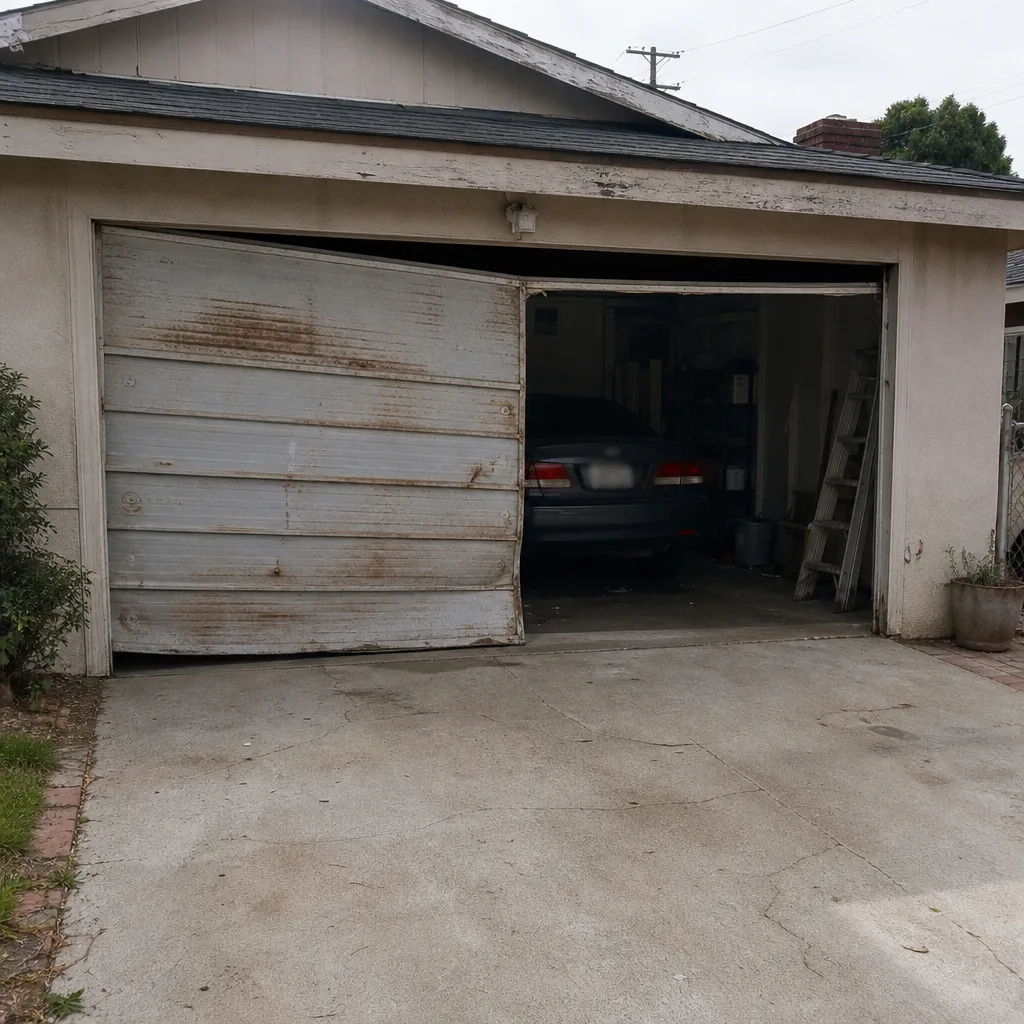 Before
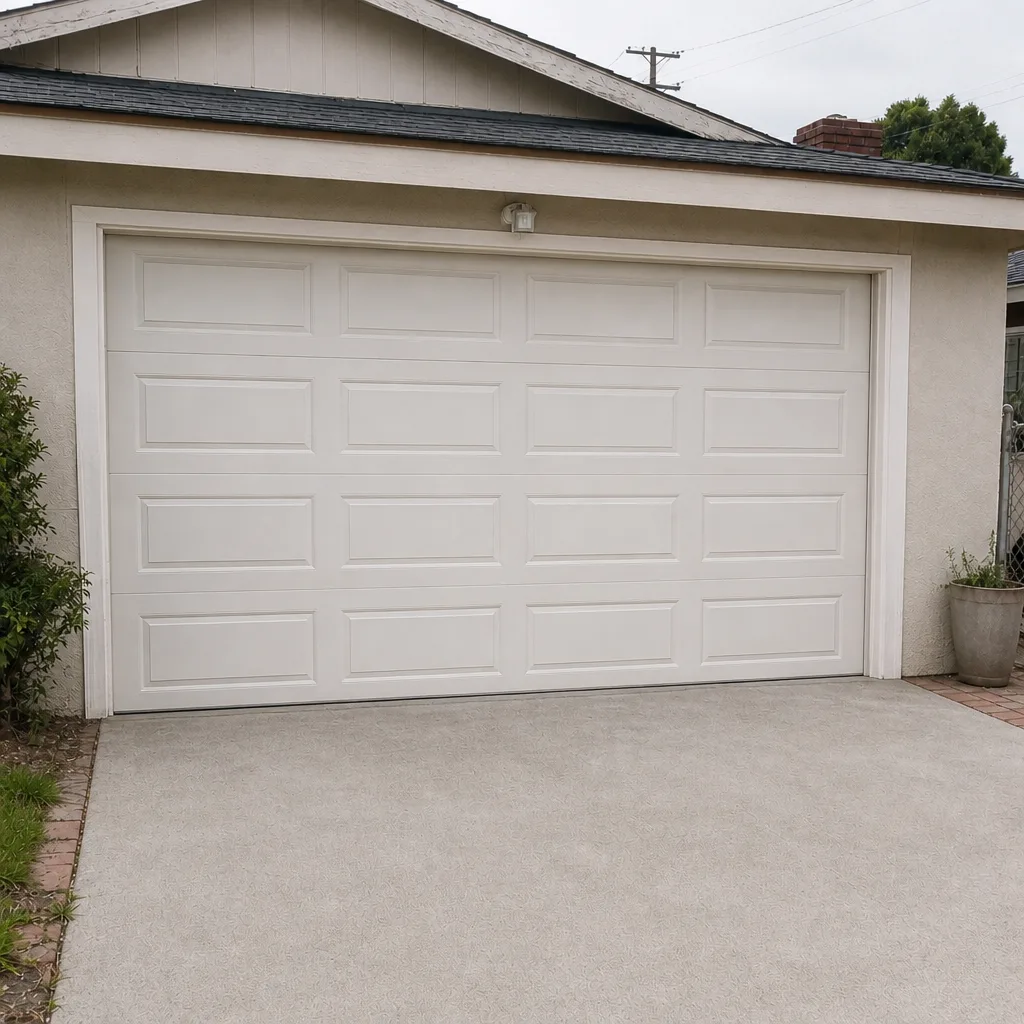 After
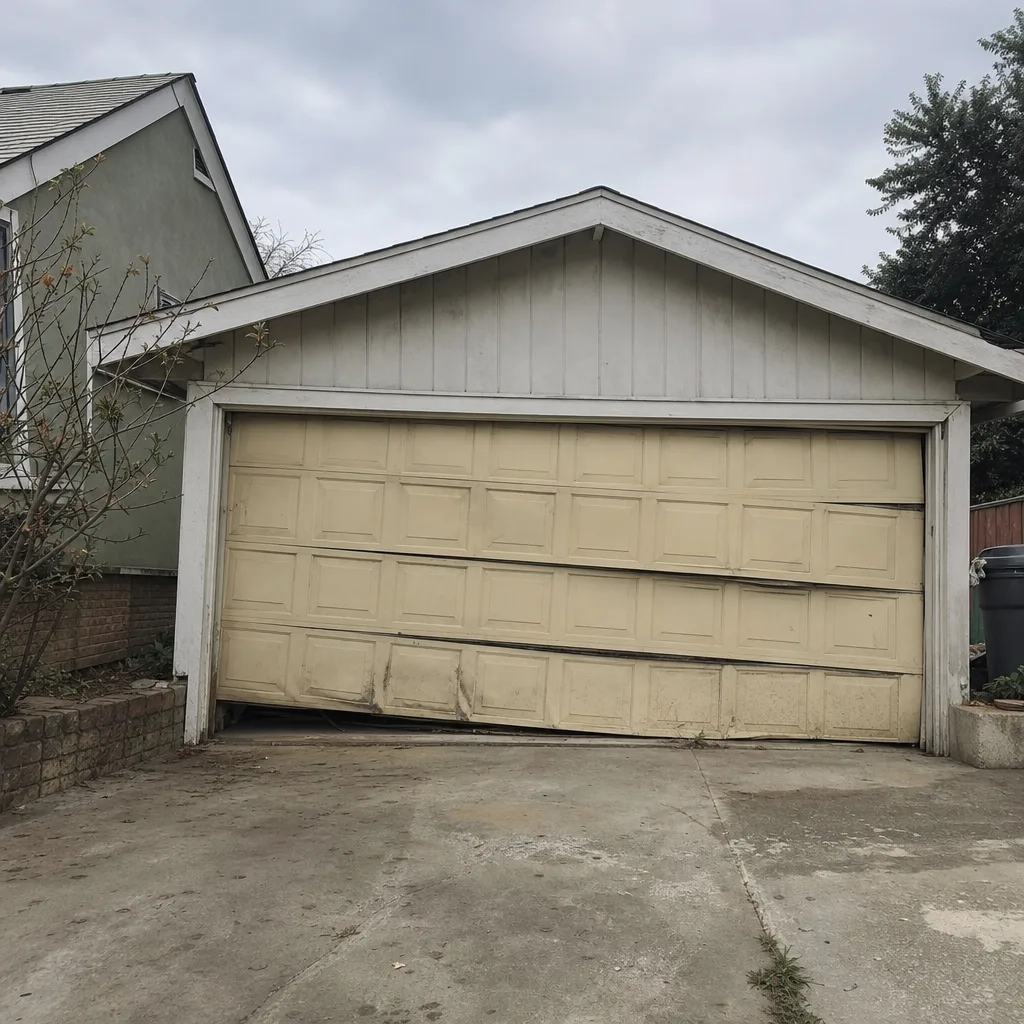 Before
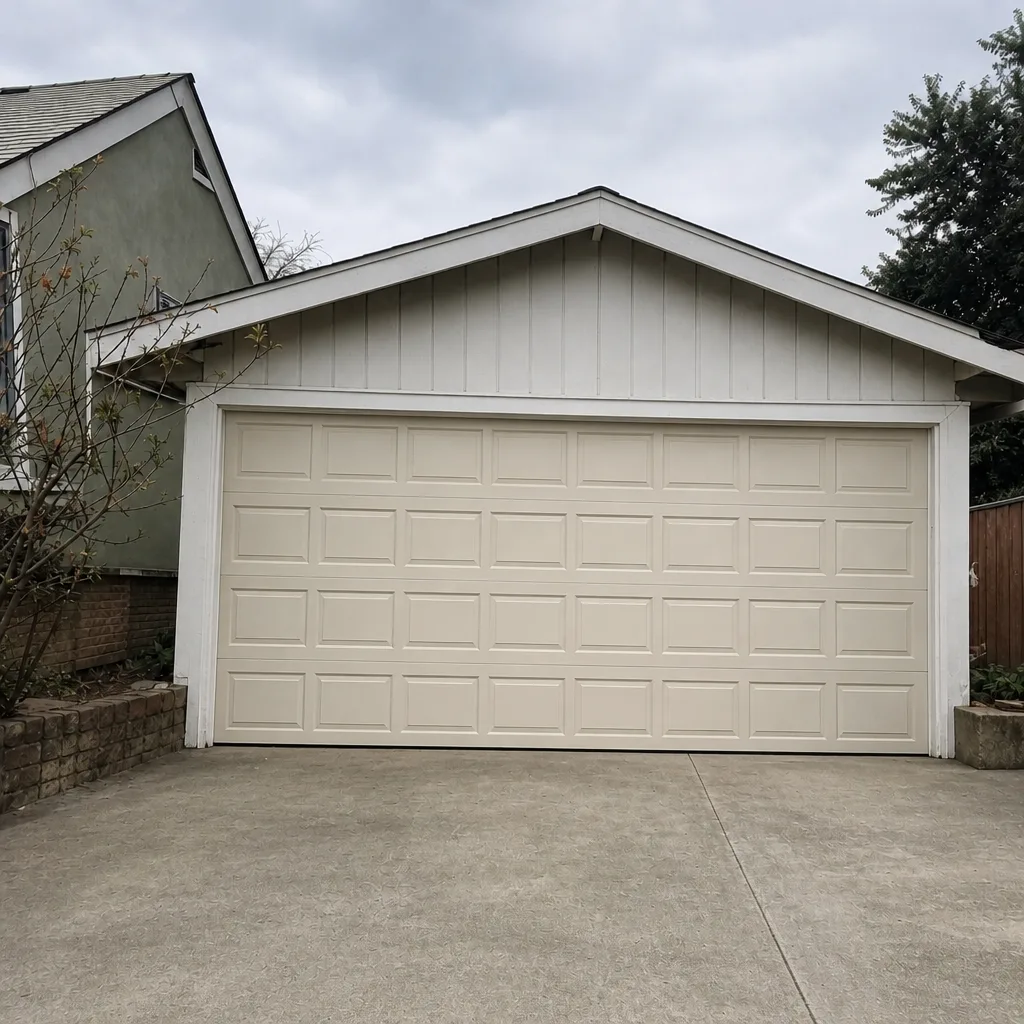 After
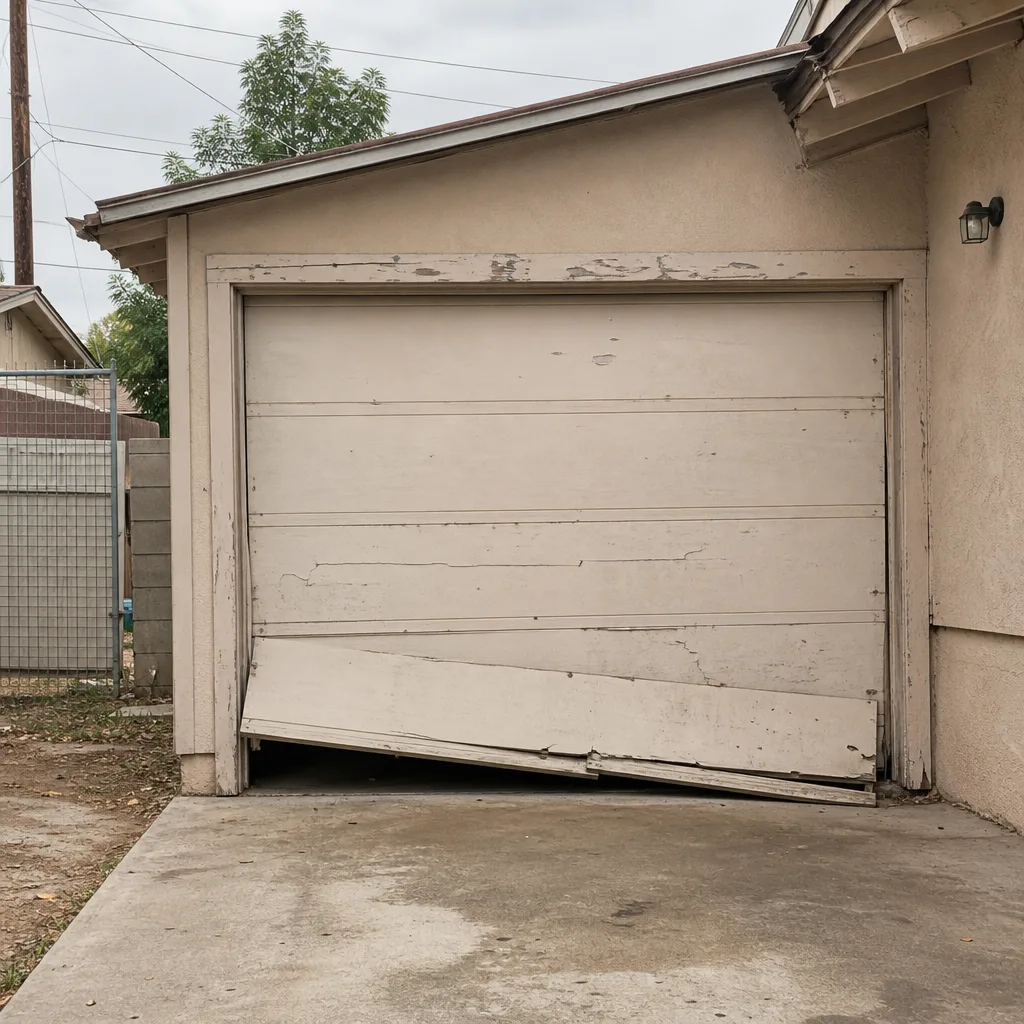 Before
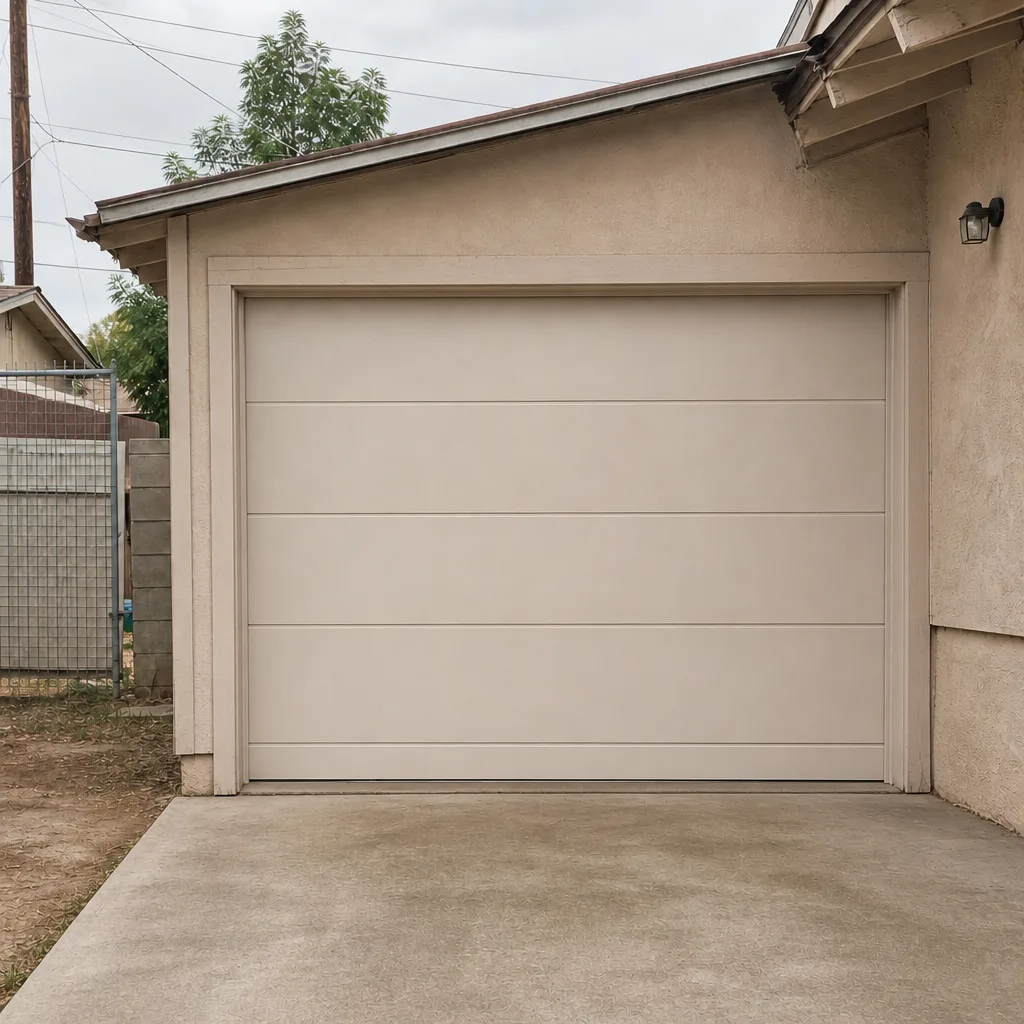 After