
Last updated November 4, 2026
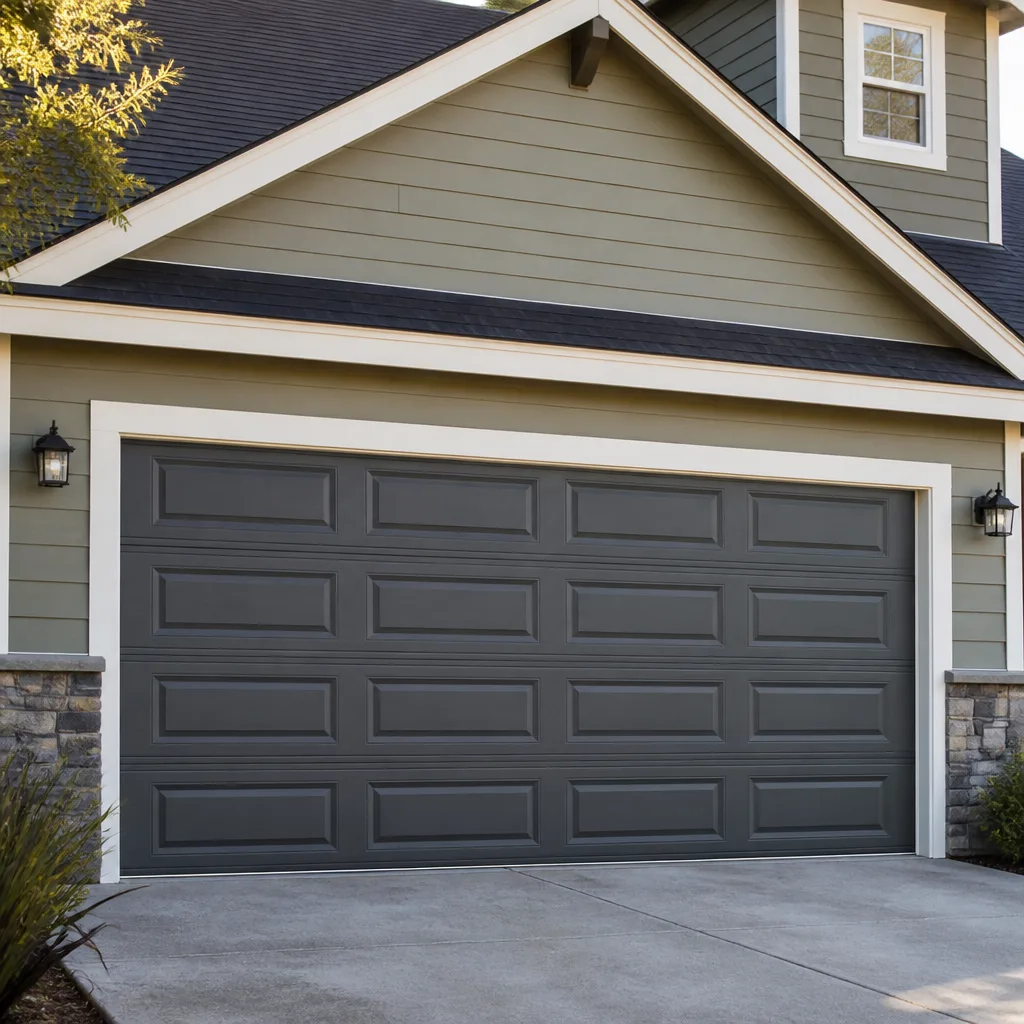 Raised-panel steel
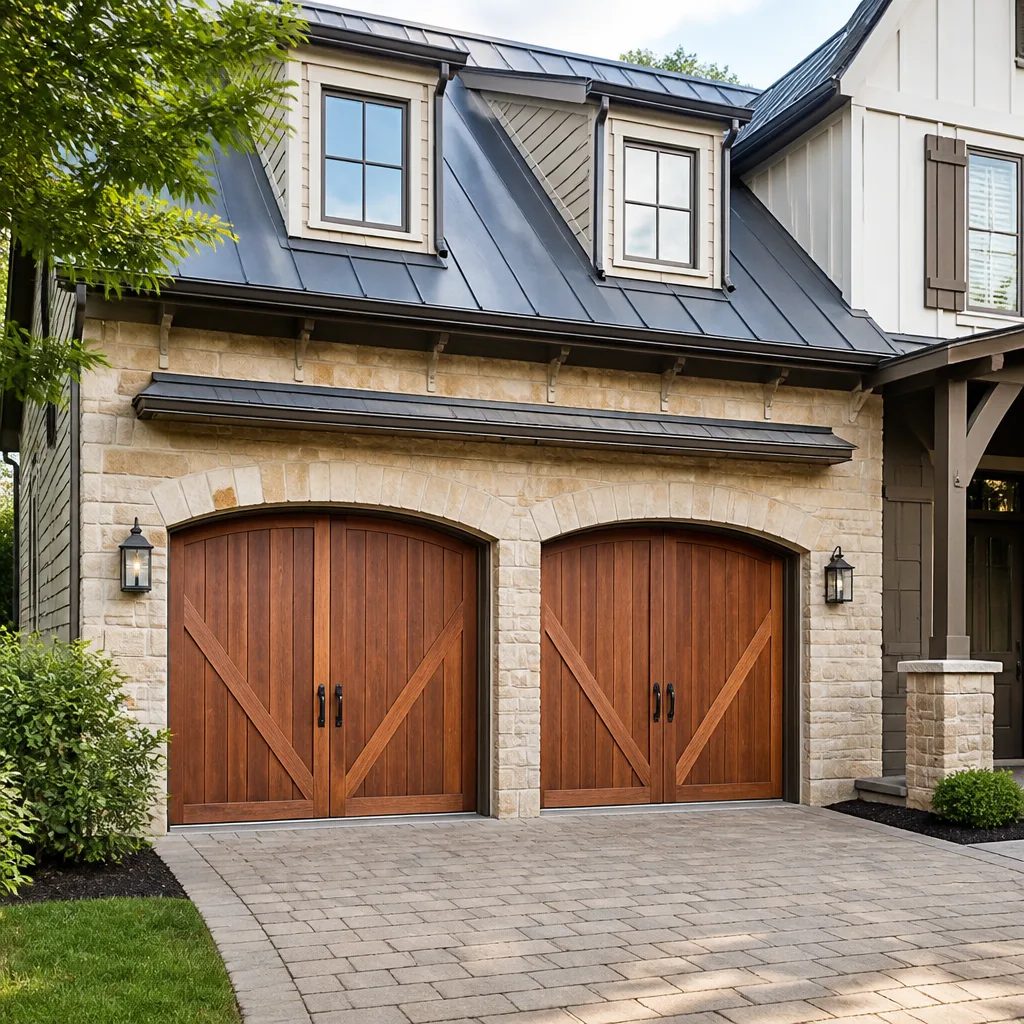 Carriage house
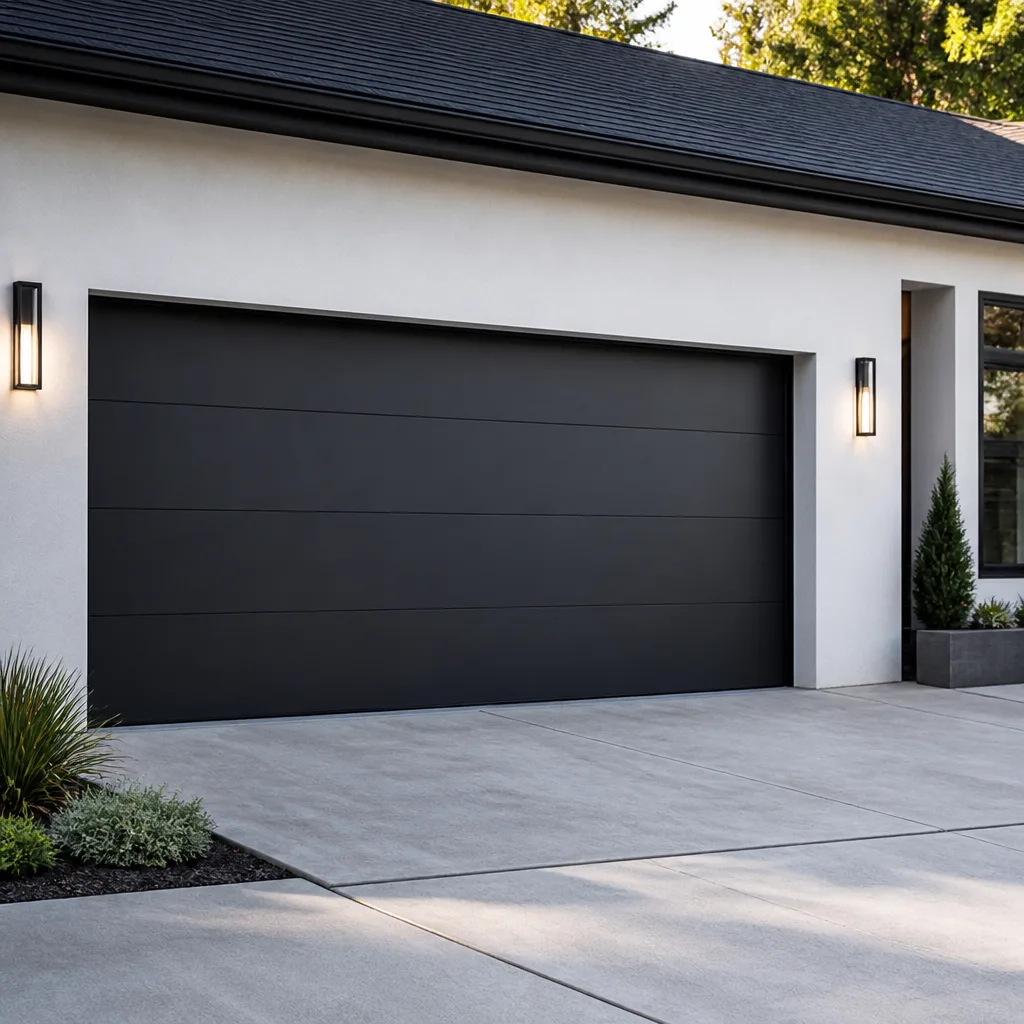 Modern flush
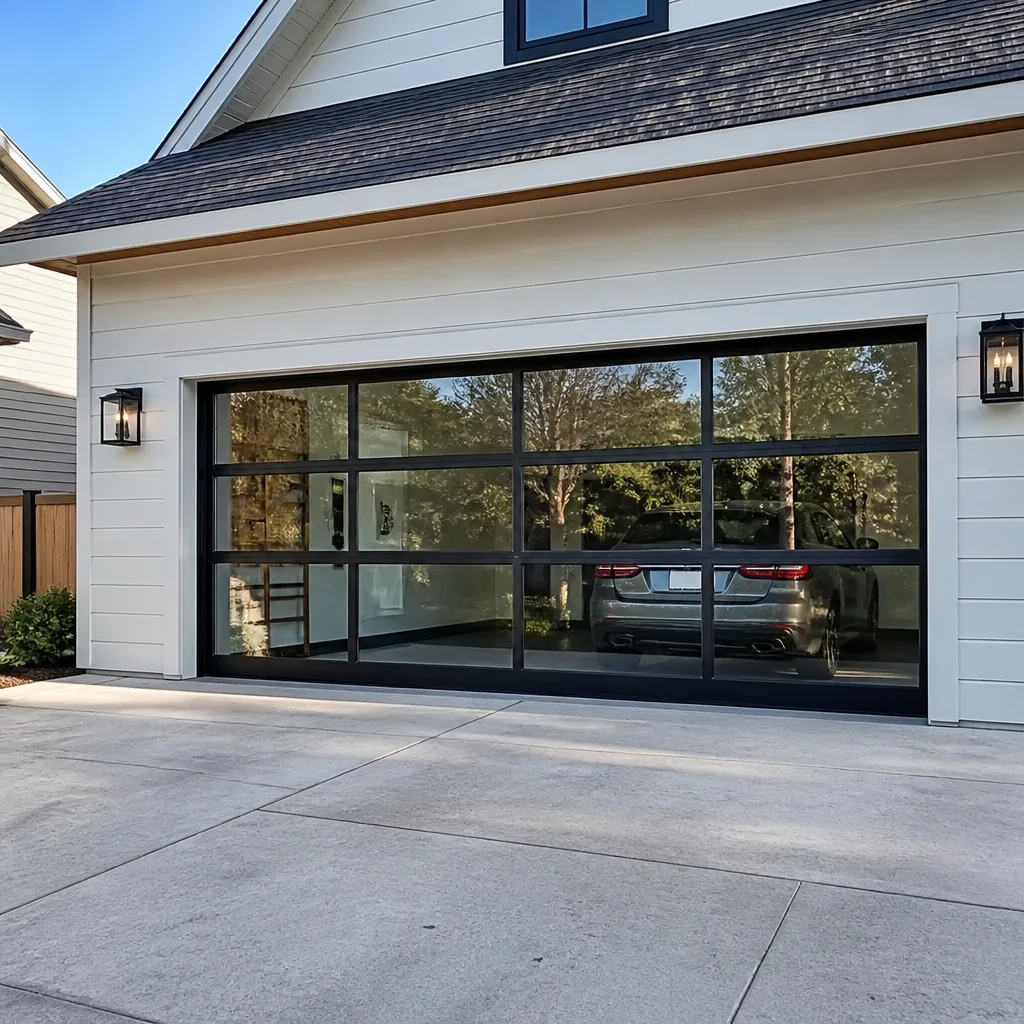 Full-view glass
 LiftMaster openers
 Chamberlain openers
Full 25-point door and opener safety check with every visit - springs, cables, rollers, tracks, and your LiftMaster or Chamberlain opener included
You get a price before we start. It does not change when the truck arrives.
Get your free estimateGarage Door Permits, Codes & Inspections in Sylmar, CA: What You Need to Know
Most Sylmar homeowners assume a garage door swap is too simple to require a permit. The truth is more nuanced, and that assumption has burned more than one seller at the worst possible moment. A garage door can be a structural opening in a load-bearing wall, and Los Angeles County treats it that way when the work changes more than the panel itself. This guide breaks down precisely when a permit is required in Sylmar, which safety standards California enforces, how wildfire-zone rules affect your choices, and what an inspector actually checks when they come out. We’ll also walk through what happens if unpermitted work shows up during a title search, because that conversation is far more expensive than the permit itself.
Quick Answer
A like-for-like garage door replacement in Sylmar usually does not require a building permit, but any work that modifies the opening dimensions, header, or structural framing does. California also enforces UL 325 safety standards for automatic openers, and Sylmar’s High Fire Hazard Severity Zone designation can trigger additional code requirements for door materials and ventilation. If you’re unsure, call the City of Los Angeles Department of Building and Safety before you start, or ask a specialist who handles permitted work in your area.
Styles & brands we work with
- Raised-panel steel
- Carriage house
- Modern flush
- Full-view glass
- LiftMaster openers
- Chamberlain openers
Table of Contents
- When Is a Permit Required for Garage Door Work in Sylmar?
- What Counts as an Exempt Like-for-Like Replacement?
- UL 325 Safety Standards and What They Mean for Your Opener
- How Sylmar’s Fire Hazard Severity Zone Changes the Rules
- The LA County DRP Inspection Process: What Gets Checked
- What Happens When Unpermitted Work Shows Up on a Title Report
- What Permits Cost and How Long Approval Takes
- Common Mistakes to Avoid
When Is a Permit Required for Garage Door Work in Sylmar?
The line between a permitted installation and an exempt replacement comes down to one question: are you changing the structure, or are you swapping a component within an existing opening? If you’re removing the old door and installing a new one in the same rough opening, with no changes to the header, jambs, or wall framing, most building officials consider that a like-for-like replacement and no permit is required. That’s the work most Sylmar homeowners actually do.
But the moment you widen the opening for a larger door, add a second door where there wasn’t one, cut into a load-bearing wall, or modify the header beam, you’ve crossed into structural work that requires a permit through the Los Angeles County Department of Regional Planning (DRP) and the City of Los Angeles Department of Building and Safety. Even adding a new pedestrian door beside a garage door can trigger the requirement, because you’re altering the lateral bracing of the wall.
Here’s the practical list of what typically requires a permit in Sylmar:
- Widening or heightening an existing garage door opening
- Converting a single-car door to a double-car door
- Adding a garage door where none existed before
- Cutting into a load-bearing wall for any reason
- Modifying or replacing the header beam above the door
- Converting a carport to an enclosed garage with a door
If your project doesn’t touch any of those items, you’re probably in exempt territory. If it does, plan for the permit before you plan for the door, because the structural drawings and engineering review take longer than the installation itself.
One thing we’ve seen repeatedly: homeowners who frame a new opening themselves, hang a garage door repair-style retrofit, and only later discover the header wasn’t sized for the span. That’s a building code violation that will surface eventually, and it’s far cheaper to get the engineering right the first time.
What Counts as an Exempt Like-for-Like Replacement?
A straight replacement means the new door fits the existing opening without any cuts to framing and uses the same rough dimensions. You can change the panel material, the style, the color, the insulation level, and even upgrade from a basic steel door to a wood-look composite, and as long as the opening stays exactly as it is, LA County treats that as maintenance, not construction.
You can also replace the track system, springs, rollers, and the opener without a permit, because those are components of the existing installation rather than modifications to the building envelope. Replacing an old opener with a modern smart-home unit from LiftMaster or Chamberlain is a mechanical upgrade, not a structural one, and the city doesn’t require paperwork for it.
Here’s what an exempt replacement can include:
- New garage door panels in the same rough opening
- New track, springs, rollers, hinges, and cable assemblies
- New opener motor, rail, and safety sensors
- New weatherstripping and perimeter seals
- Insulation added to an existing door structure
The key caveat: if the work requires new side framing or a header change to accommodate the new door, it stops being exempt. And if you’re replacing rotted wood jambs that support the header, that may become structural repair that needs a permit, because the jamb is part of the load path. When in doubt, call the City of Los Angeles Department of Building and Safety with the specific scope of work and ask for a determination in writing.
UL 325 Safety Standards and What They Mean for Your Opener
UL 325 is the national safety standard for automatic garage door openers. California enforces it through the California Building Standards Code, and it applies to every opener installed after 1993, including retrofits and repairs. The standard hinges on two non-negotiable features: automatic reversal when the door meets resistance, and photo-eye sensors that detect an obstruction and stop the door from closing.
What most Sylmar homeowners don’t know is that UL 325 compliance becomes a code issue when you replace the door but keep an older opener. If the opener predates 1993, it almost certainly lacks the required safety sensors and automatic reversal logic. Even some units made between 1993 and 2000 had sensors that are now considered inadequate, and replacing the door gives you no grandfathering protection. The city expects the integrated system, door plus opener, to meet current standards.
Here’s what UL 325 requires for your system to be compliant:
- Photo-eye sensors mounted no higher than 6 inches above the floor on both sides of the opening
- Automatic reversal that engages when the door contacts an object on the way down
- Automatic reversal that engages if the photo-eye beam is broken while the door is descending
- A manual release mechanism that works from inside the garage
- Force settings that are tested and adjusted to prevent excessive closing force
If you’re replacing a door and your opener is old enough to vote, factor a garage door opener repair or replacement into the project. A new Raynor or Genie opener with current UL 325 compliance keeps you on the right side of the code and eliminates the liability that comes with an outdated safety system.
How Sylmar’s Fire Hazard Severity Zone Changes the Rules
Sylmar sits within a designated High Fire Hazard Severity Zone, and that classification carries building code obligations that most surrounding neighborhoods don’t share. The California Building Code and the Los Angeles County Fire Code both set stricter standards for construction materials and ventilation in these zones, and a garage door is part of that equation.
The requirements start with the door’s exterior surface. Wildfire-urban interface code language calls for ignition-resistant materials, which in garage door terms usually means a metal-skinned door or a solid wood door with a fire-rated core. Lightweight unrated wood doors, including many cedar and redwood designs, may not meet the standard in a High Fire Hazard Severity Zone. If you’re replacing a door in Sylmar, ask about the door’s fire rating before you buy, because a non-compliant door can fail inspection and delay the project.
Ventilation is the second piece. Detached garages in wildfire zones often have eave vents or gable vents that must be screened with mesh no larger than 1/16 inch to prevent ember intrusion. When a door replacement touches adjacent walls or vented areas, the inspector may check that the existing screening is intact and code-compliant. Replacing a door is a good moment to verify that all vent openings meet the ember-resistant mesh standard, because it’s far easier to fix while the opening is exposed than to retrofit later.
The LA County DRP Inspection Process: What Gets Checked
When your garage door project does require a permit, the process runs through the LA County Department of Regional Planning for land-use review and the City of Los Angeles Department of Building and Safety for structural inspection. Most Sylmar properties fall under the City of Los Angeles jurisdiction, even though Sylmar sits within LA County, so the City’s building department is the one you’ll deal with directly.
The inspection typically happens in two stages. The first is a rough inspection, before the door is installed or after framing is complete. The inspector checks the header size, the shear wall attachments, the anchor bolts, and the fire-blocking around the opening. The second is a final inspection after installation, where they verify the door itself, the opener safety features, and the exterior flashing.
What an inspector checks at rough inspection:
- Header beam size and species match the approved structural drawings
- Shear wall nailing and hold-down hardware are installed to code
- Anchor bolts are present and spaced correctly
- Fire-blocking is in place around the opening
- Framing is square and the rough opening matches the permit
What an inspector checks at final inspection:
- The installed door matches the approved plans and fire rating
- Opener safety sensors and auto-reverse meet UL 325 requirements
- Vent screens meet the 1/16-inch ember mesh standard in wildfire zones
- Flashing and weatherproofing around the opening are correct
- All permit documents are posted and signed at the job site
Typical timeline: rough inspection happens within a few days of your request, and final inspection follows once the door is hung. Total permit and inspection time for a straightforward structural alteration in Sylmar usually runs two to six weeks, with the installation itself taking a day or two for a professional crew.
What Happens When Unpermitted Work Shows Up on a Title Report
Unpermitted garage door work doesn’t usually appear as a title line item by itself. What shows up is the broader pattern: a contractor’s lien, a code enforcement case, or an assessor’s note about a structural change to the property. When a buyer’s inspector sees a garage opening that’s larger than the original plans, or a new door where the county’s records show a wall, that triggers a disclosure requirement, and the seller is now obligated to either legalize the work or renegotiate.
Legalizing unpermitted work in Los Angeles County means applying for a permit after the fact. The City of Los Angeles Department of Building and Safety handles this as a deferred approval or a retrofit permit. The process usually requires:
- Hiring a licensed engineer or architect to draw the existing condition
- Submitting the as-built drawings and paying double permit fees
- Exposing the header, framing, and anchor bolts for inspection
- Making any corrections the inspector flags
- Passing final inspection and receiving an as-built permit record
The cost to legalize unpermitted work usually runs two to four times the original permit fee, plus the engineer’s drawings and whatever corrective work the inspection demands. In a home sale, the buyer’s lender will often require this to close, and the seller eats the cost or loses the deal. For a garage door that was widened without a permit, we’ve seen remediation take longer than the entire original project.
If you inherited unpermitted garage work when you bought your Sylmar home, or you’re not sure whether the current installation matches the county’s records, call the City of Los Angeles Department of Building and Safety and request a copy of your property’s permit history. It’s the fastest way to find out what the next buyer’s inspector will see.
What Permits Cost and How Long Approval Takes
Permit fees for garage door structural work in Sylmar are based on the valuation of the work, not a flat rate. A simple header modification with a door replacement might run a few hundred dollars in permit fees. A larger opening change with structural engineering can push the total, including drawings, into the low four figures. The City of Los Angeles Department of Building and Safety publishes its fee schedules, and the counter staff can give you a written estimate before you apply.
Here’s a typical cost breakdown for a permitted garage door opening change:
| Item | Typical Range |
|---|---|
| Structural engineering drawings | $400 – $1,200 |
| Building permit fees | $200 – $800 |
| Plan check fees | $100 – $300 |
| Inspection fees | $100 – $250 |
| Corrective work (if flagged) | Varies widely |
These are typical ranges for Sylmar, not exact quotes. Your written estimate from the city, and from any contractor you hire, is what sets the final price. Approvals for simple structural changes usually take two to four weeks from submittal. If your project needs DRP land-use review, add another two to four weeks. None of this is fast, which is exactly why confirming whether you need a permit before you start is the smart move.
For the permit itself, expect to provide a site plan or plot map, structural drawings stamped by a California-licensed engineer, and a written scope of work. The counter staff at the Sylmar office of the City of Los Angeles Department of Building and Safety walk through the requirements, but bringing incomplete paperwork is the most common delay we see.
Common Mistakes to Avoid
- Assuming every garage door replacement is exempt. A like-for-like swap is exempt, but adding a new opening or widening an existing one is structural work that needs a permit. If the rough opening changes at all, assume a permit applies until the city says otherwise.
- Keeping an old opener with no photo-eye sensors. UL 325 applies to the entire system including the opener, and a 1990s-era opener with no sensors fails code in Sylmar even if the door is brand new.
- Ignoring the fire hazard zone requirements. Sylmar is in a High Fire Hazard Severity Zone, which means door materials and vent screening rules are stricter than in nearby valley neighborhoods. A non-compliant door can fail final inspection.
- Doing structural framing as a DIY project. A header beam that’s undersized for the span is a structural hazard and a code violation. This is the one part of the job where an engineer’s stamp is non-negotiable.
- Waiting until a home sale to deal with unpermitted work. Legalizing work after the fact costs double or triple the original permit, and the buyer’s lender can hold the deal hostage. The time to check permit history is before you list.
- Assuming the installer handles permits. Some contractors will, some won’t, and the responsibility ultimately falls on the homeowner. Ask who is pulling the permit, and verify it’s posted before work starts.
- Skipping the final inspection. A permit that’s issued but never signed off is the same as no permit in the eyes of a title report. Close the loop with the city.
See the difference
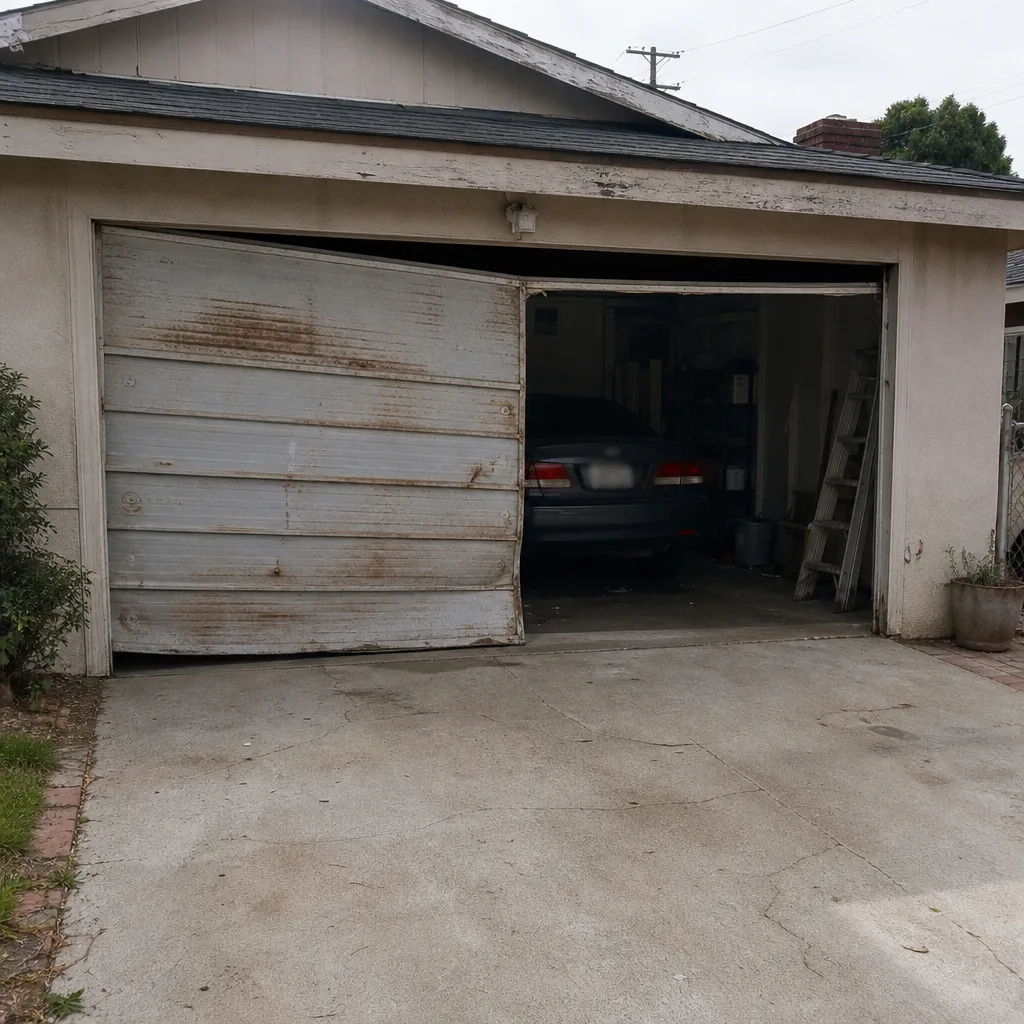 Before
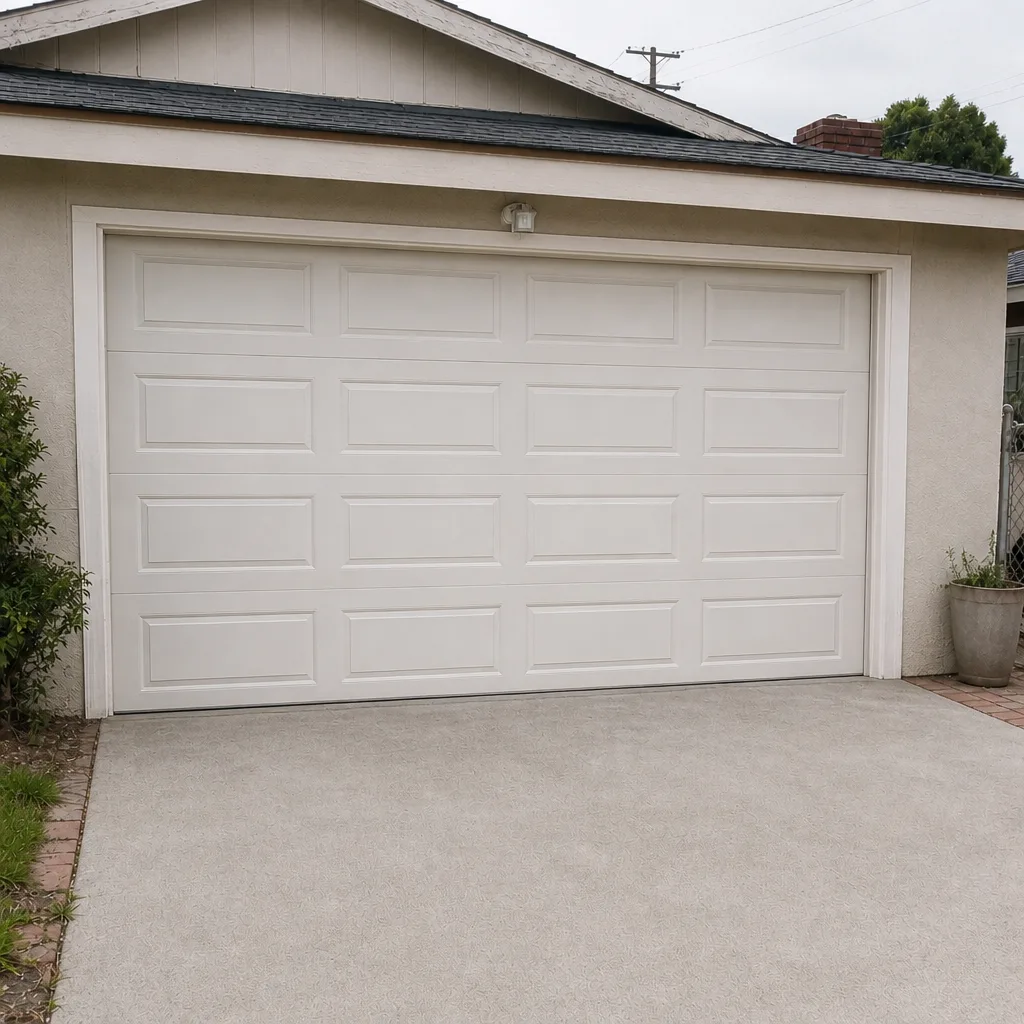 After
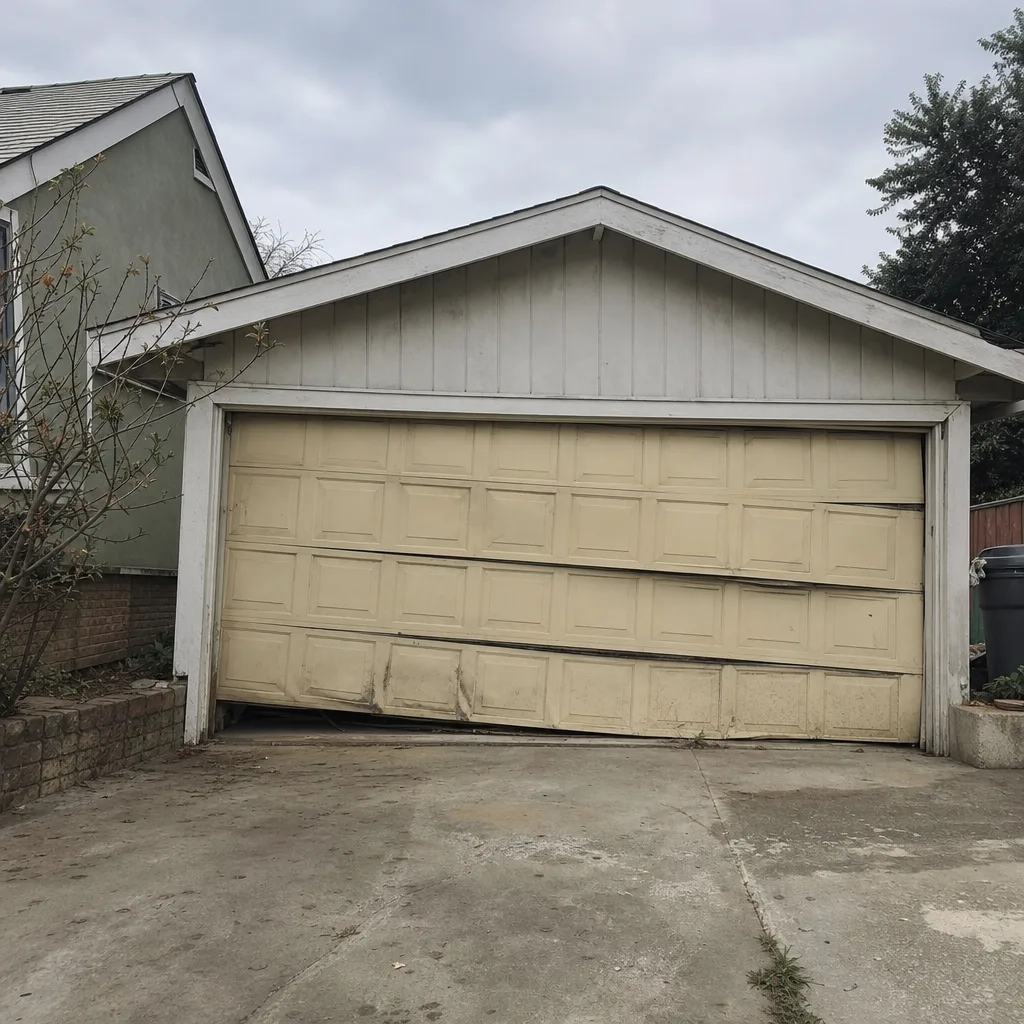 Before
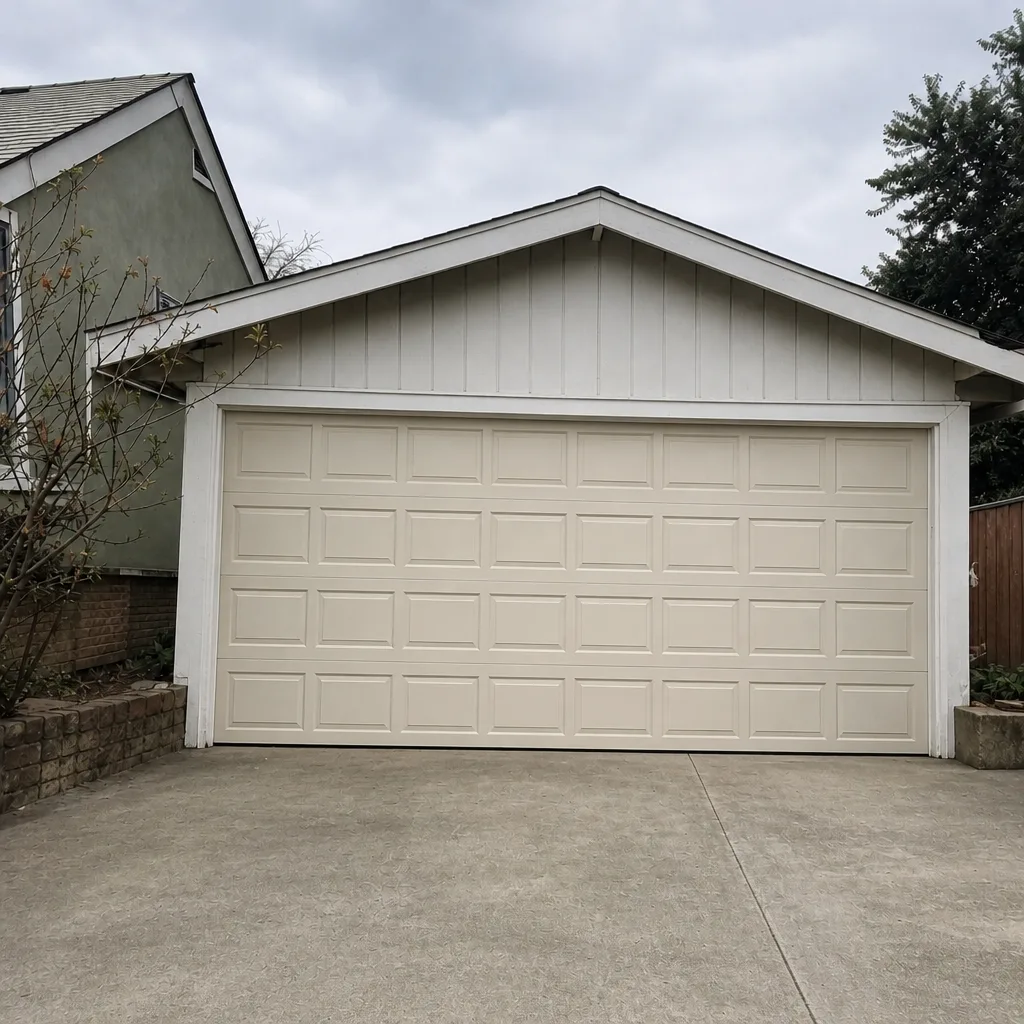 After
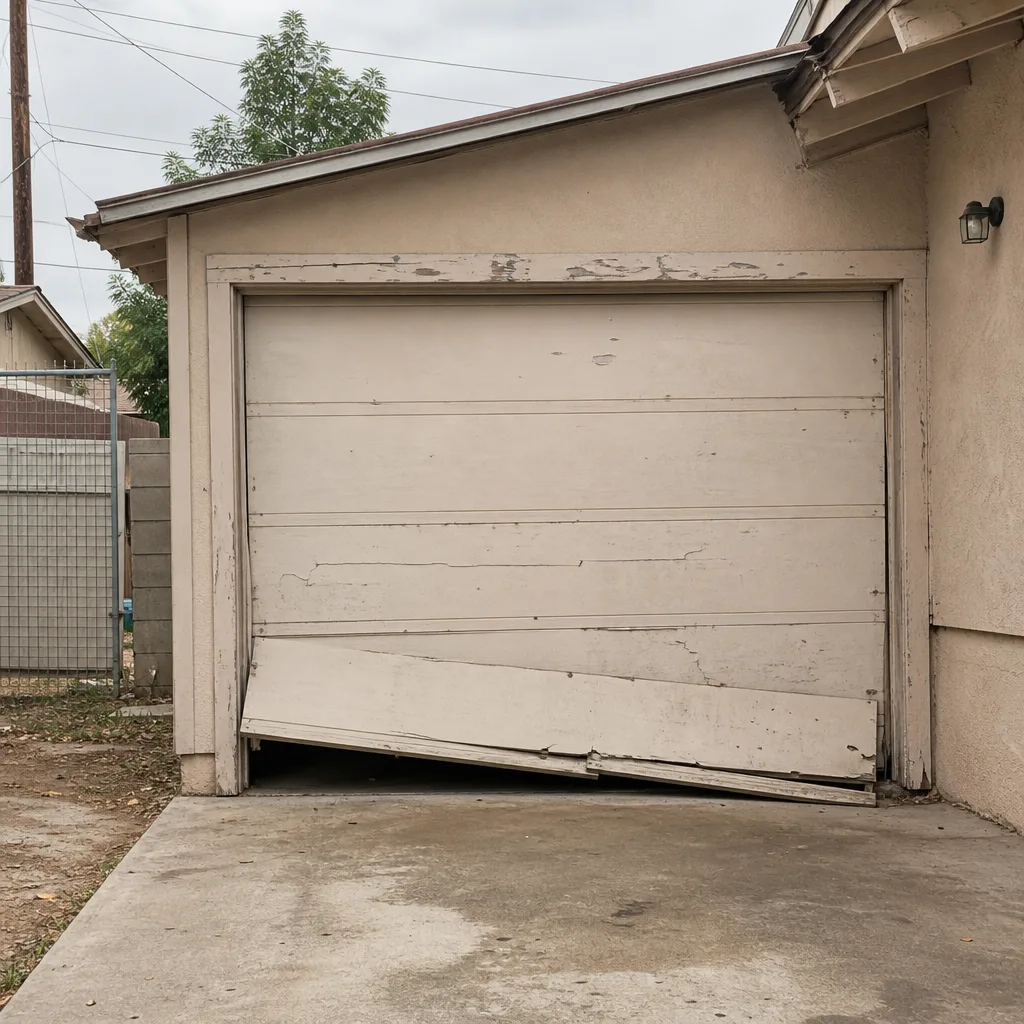 Before
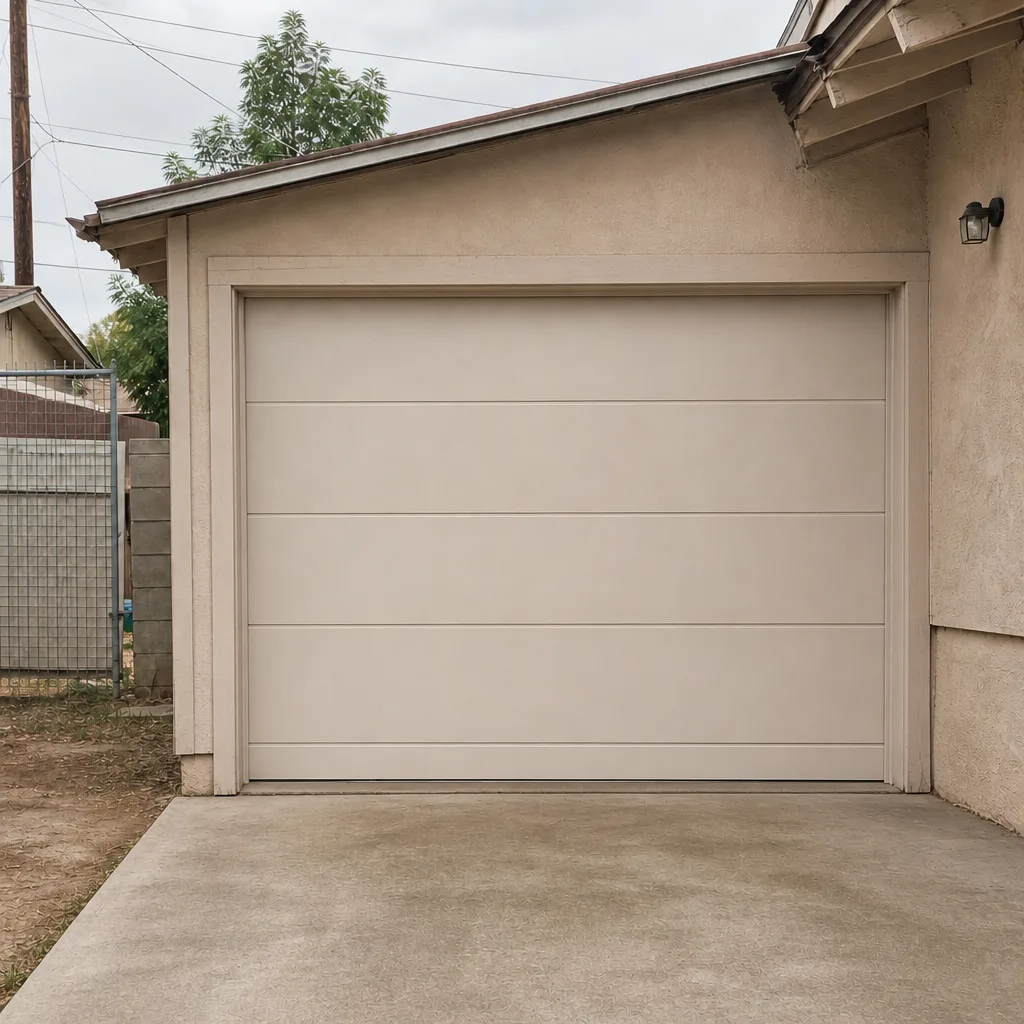 After
When to Call a Professional
If your project involves a structural opening change, you need a licensed engineer for the drawings and a contractor who understands LA County’s inspection process. If you’re replacing an older opener as part of a door swap, you want someone who can verify UL 325 compliance on the spot. And if you’re not sure whether your existing garage setup has unpermitted work in its history, a specialist can walk you through what the city will find before a buyer’s inspector does.
Garage Door Repair Sylmar offers free estimates in Sylmar, and we handle permitted door work alongside the Garage Door Repair Sylmar service you already know. Call (855) 360-5967. We answer 24/7. Fast dispatch from 7am to 7pm, Sunday through Friday.
Frequently Asked Questions
A like-for-like replacement in the existing rough opening with no structural changes does not require a permit. If you’re widening the opening, adding a door, or modifying the header, you need a permit through the City of Los Angeles Department of Building and Safety. Call (855) 360-5967 if you want help determining which side of the line your project falls on.
No, replacing an opener is a mechanical upgrade and not structural work, so no permit is required. The opener must still meet UL 325 safety standards, including photo-eye sensors and automatic reversal, so a current unit from LiftMaster or Chamberlain with the sensors properly mounted keeps you code-compliant.
UL 325 is the national safety standard for automatic garage door openers, and California enforces it through the state building code. It requires photo-eye sensors, automatic reversal on contact or beam obstruction, and a manual release mechanism. Any opener installed after 1993 should comply, but older units often don’t.
Simple structural changes typically take two to four weeks for approval, longer if DRP land-use review is required. The installation itself is usually a day or two, with inspections scheduled within a few days of each stage. The timeline depends on the completeness of your submittal and the current workload at the city.
The buyer’s inspector may flag the discrepancy between the current condition and the county’s recorded plans, which triggers a disclosure. You’ll then need to legalize the work through a retrofit permit, which usually costs more than the original permit and takes several weeks. Most sellers end up covering that cost or reducing the price to close the sale.
Yes. Sylmar is in a High Fire Hazard Severity Zone, and the California Building Code requires ignition-resistant door materials and ember-resistant vent screening in these areas. Metal-skinned doors and fire-rated wood doors generally comply; lightweight unrated wood doors may not. Ask before you buy.
The Bottom Line
The permit question for a Sylmar garage door comes down to structure versus component. A like-for-like door replacement and opener upgrade are exempt. Any change to the opening, header, or wall framing triggers a permit, and skipping it creates a liability that surfaces during home sales. California’s UL 325 safety standard applies to the whole system regardless of permit status, and Sylmar’s wildfire zone designation adds material and ventilation rules you won’t find in nearby neighborhoods. When in doubt, verify the scope with the City of Los Angeles Department of Building and Safety before you spend a dollar. And if the job crosses into permitted territory, the cheapest path is the one that starts with a licensed engineer’s drawings and ends with a signed-off inspection.
Written by the team at Garage Door Repair Sylmar, serving Sylmar since 2015.