
Last updated November 4, 2026
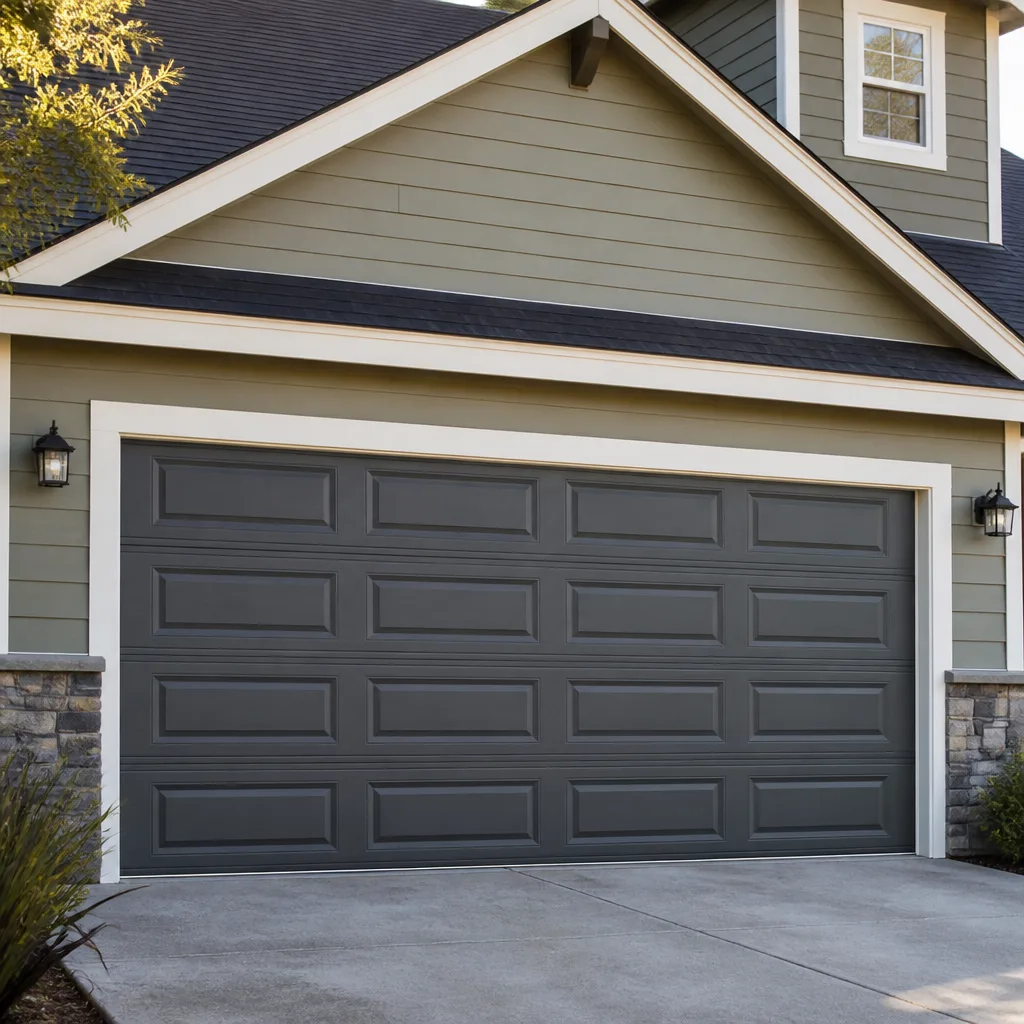 Raised-panel steel
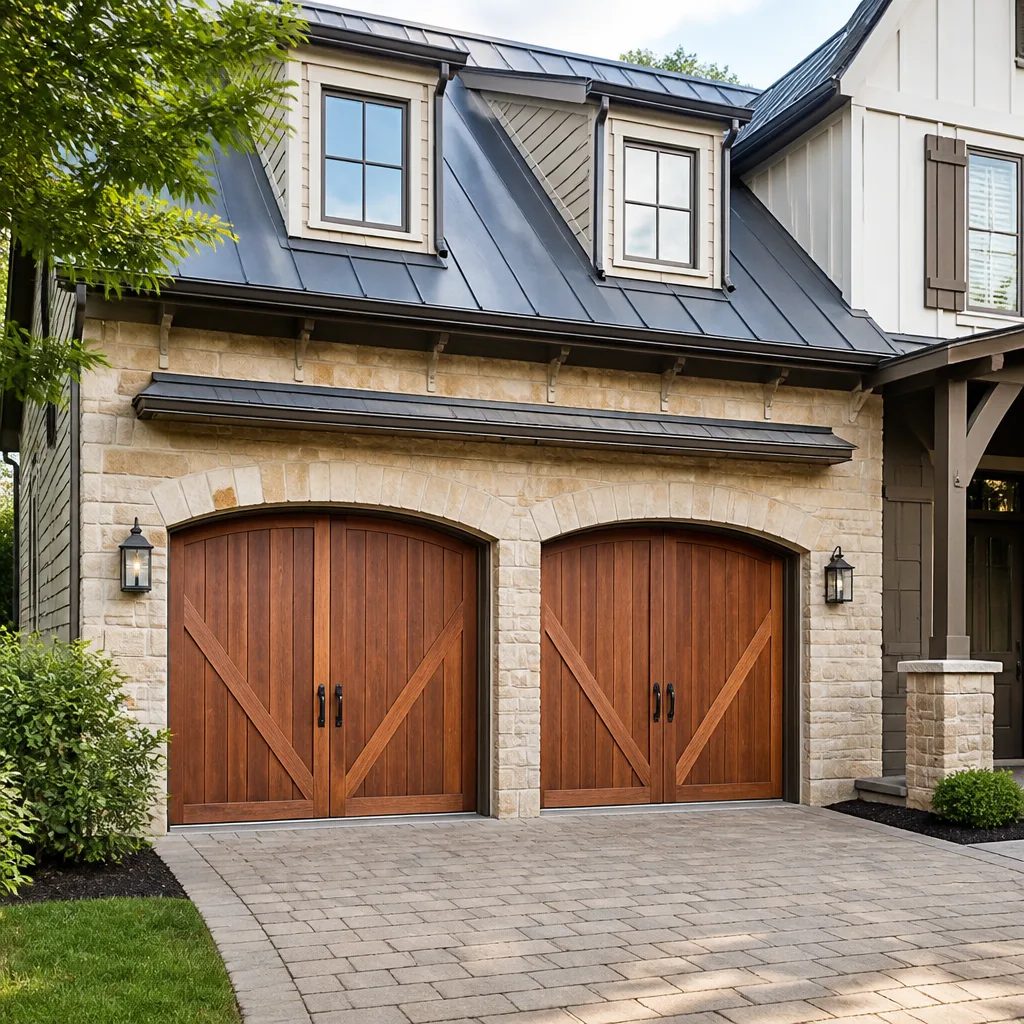 Carriage house
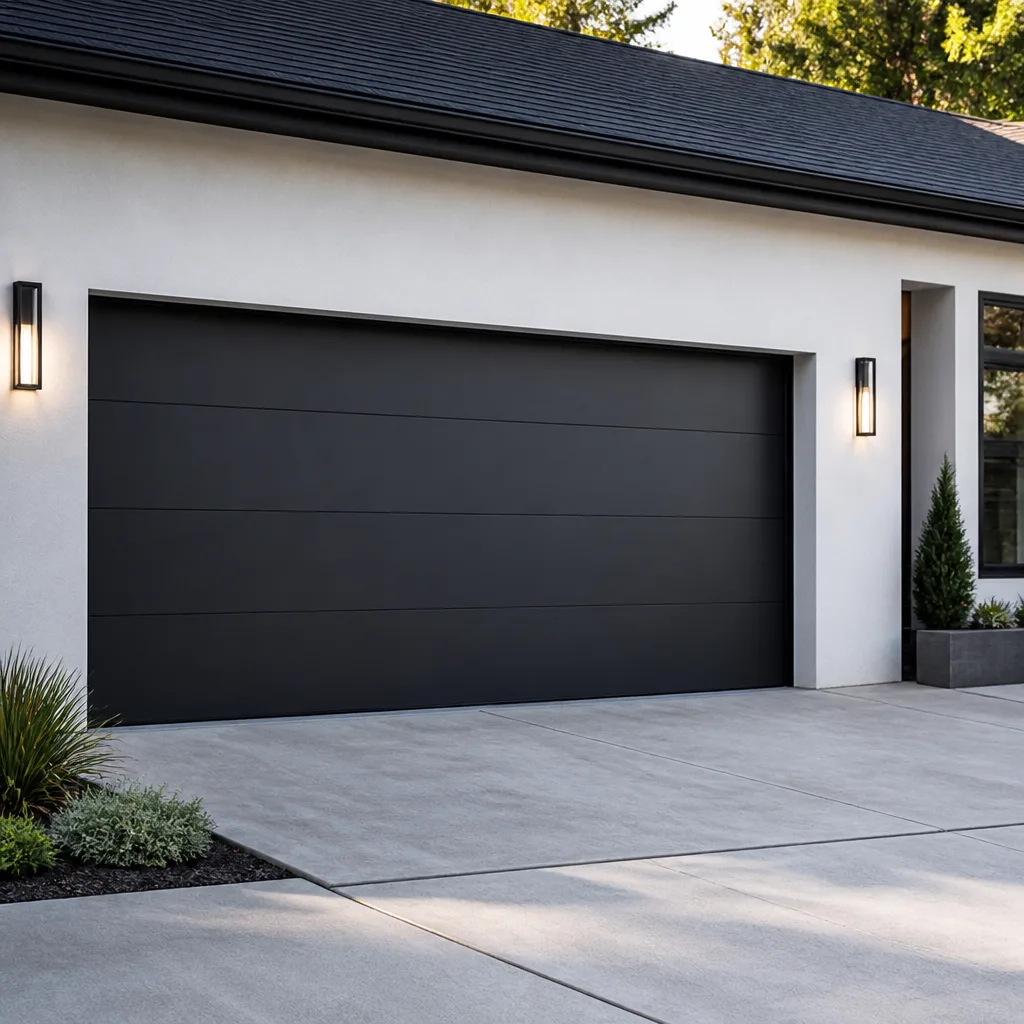 Modern flush
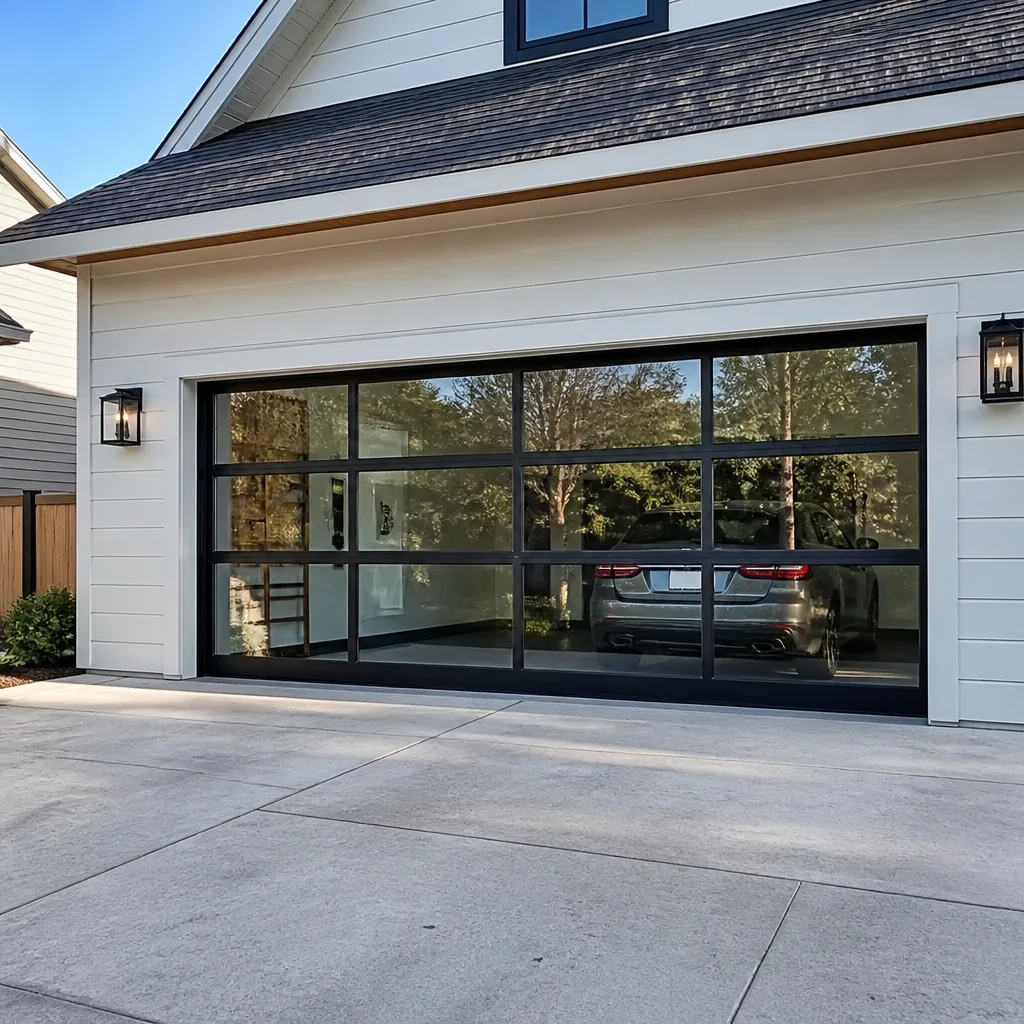 Full-view glass
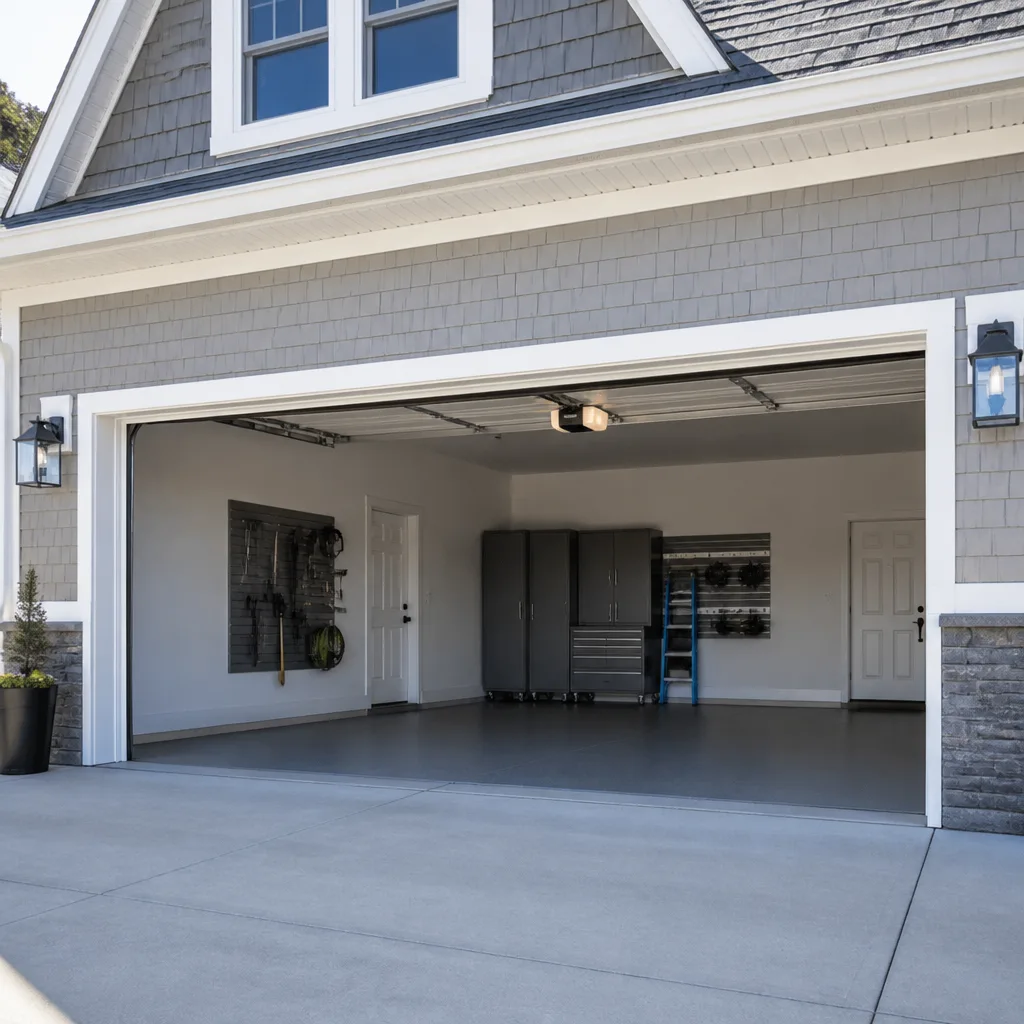 LiftMaster openers
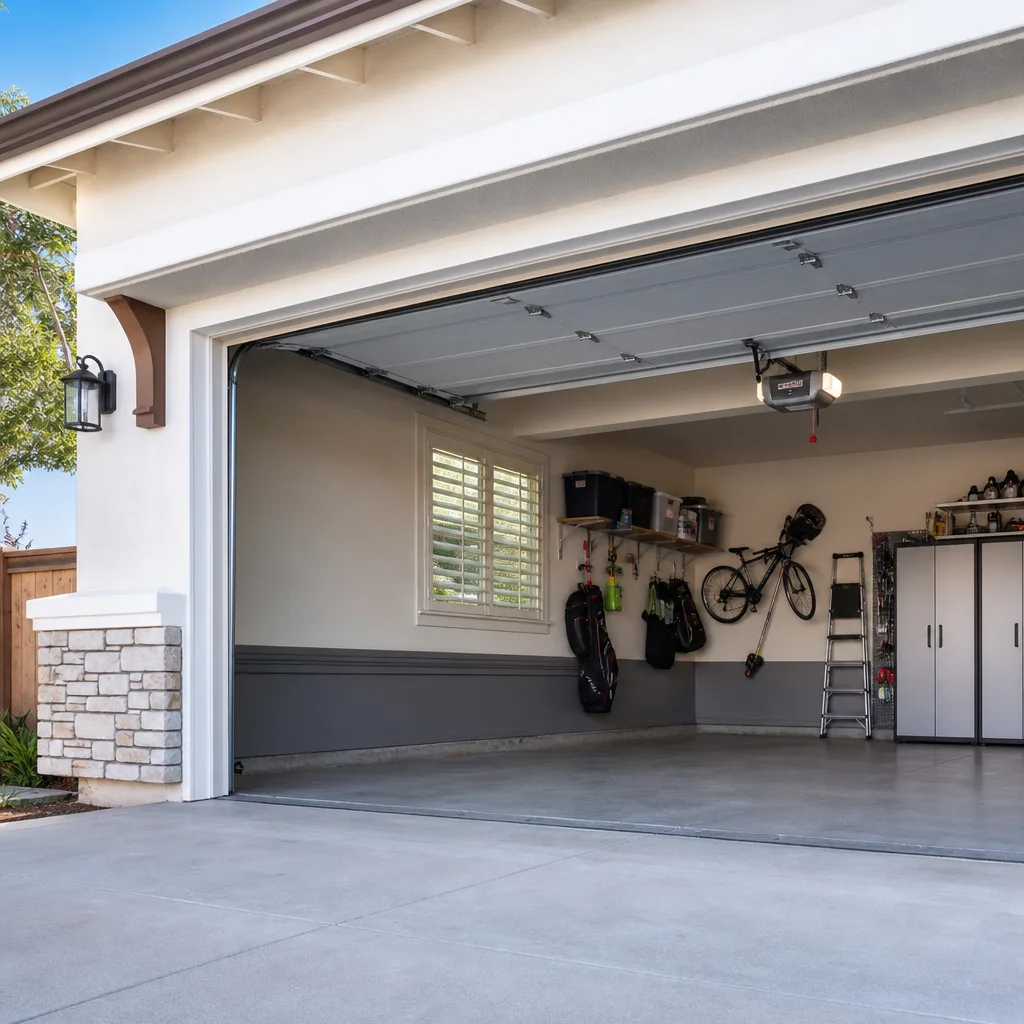 Chamberlain openers
Full 25-point door and opener safety check with every visit - springs, cables, rollers, tracks, and your LiftMaster or Chamberlain opener included
You get a price before we start. It does not change when the truck arrives.
Get your free estimateGarage Door Emergency Preparedness Guide for Sylmar Homes
Most Sylmar homeowners think a garage door either works or it doesn’t. The reality is less forgiving. Your garage door is the largest moving object in your home, and during an evacuation it becomes the difference between leaving in ninety seconds and being trapped behind a 300-pound panel that won’t budge. During the 2019 Saddleridge Fire, some Sylmar residents couldn’t get their cars out fast enough. For some, it was the opener: no power, no manual release knowledge, no plan. This guide walks through the manual release procedure for every major opener brand, battery backup options, post-earthquake inspection steps, and smoke-sealing upgrades so your garage door works when the grid doesn’t. If you own a home in Sylmar, this is the preparedness checklist you don’t have yet.
Quick Answer
Garage door emergency preparedness in Sylmar means three things: knowing how to pull the manual release cord and lift your door by hand when the power fails, upgrading to a battery backup opener sized for your door’s weight, and inspecting the door for earthquake or wildfire damage before you operate it. A door that won’t open during an evacuation is usually an opener problem, not a door problem, and the fix starts with the red emergency cord hanging from the rail. If that cord is seized, stuck, or missing, call (855) 360-5967 for garage door repair before the next fire season starts.
Styles & brands we work with
- Raised-panel steel
- Carriage house
- Modern flush
- Full-view glass
- LiftMaster openers
- Chamberlain openers
Table of Contents
- How to Operate Your Garage Door Manually During a Power Outage
- What to Do When the Manual Release Cord Is Stuck or Seized
- Battery Backup Openers That Actually Work for Sylmar Door Weights
- Post-Earthquake Garage Door Inspection Protocol
- Wildfire Smoke and Ember Sealing for Garage Doors
- Creating a Garage Door Emergency Card
- Common Mistakes to Avoid
- When to Call a Professional
- Frequently Asked Questions
How to Operate Your Garage Door Manually During a Power Outage
Every automatic garage door opener has a manual release mechanism that disconnects the door from the opener carriage. When the power goes out in Sylmar, whether from a Public Safety Power Shutoff during high wind days or a grid failure after an earthquake, this is the first thing you need to reach. The release is a red plastic cord that hangs from a trolley on the opener rail, usually within arm’s reach about half a foot behind the motor unit.
Pull the red cord straight down and toward the garage interior. You’ll hear a click when the trolley disengages. From that point, the door moves by hand only. Lift it using the handle or the bottom edge, and guide it upward until it settles in the open position. If the door feels heavier than you can manage, stop. A garage door that won’t lift easily by hand usually has a broken spring, and forcing it can put the full weight of the panel on the cables and your arms. A broken spring also means the door can slam shut from the open position.
One nuance homeowners miss: the manual release only works when the door is in the fully closed position. If the opener died mid-cycle and the door is half open, pulling the cord may cause the door to drop suddenly. In that scenario, brace the door first, or call a technician who can safely balance the panel before releasing the trolley.
We work on the brand you already have. Whether the opener is a LiftMaster, Chamberlain, Genie, or Craftsman unit, the release geometry is similar, but Genie openers with an older screw-drive carriage can be stiffer and require a firmer pull. If your Garage Door Repair Sylmar opener is more than a decade old, test the release once in calm weather so you’re not learning it by flashlight during an evacuation. A release that needs two hands and a wrench to move is a release that has already failed you.
What to Do When the Manual Release Cord Is Stuck or Seized
A stuck manual release cord is a hidden failure that only reveals itself during a power outage, and that is exactly when you cannot afford to troubleshoot it. The cord attaches to a release lever inside the opener carriage. Over years in Sylmar’s dry, dusty air, that lever collects grit, and the internal spring that pulls it back loses tension. If you pull the cord and feel no travel, or the cord feels like it’s anchored in place, do not yank harder. You can break the plastic handle off the cord and leave yourself with a six-inch stub hanging from a rail.
The first step is a visual check from a stepladder. Look at where the cord enters the carriage body. If the area is caked with dust and spider debris, spray a small amount of dry silicone lubricant into the lever pivot, wait two minutes, then try the cord again with a steady downward pull. If the cord travels but the trolley does not release, the internal fork that grabs the carriage rail is likely corroded. That is not a DIY fix, because the fork sits under spring tension and the carriage is what holds the door in place when the opener is connected.
What if the cord is missing entirely? Some openers lose the red handle over time, and homeowners don’t notice until they reach for it in the dark. In that case, you still have the stub of the cord above the carriage. A pair of pliers can grip it in the short term, but a stub means the full handle is gone and the release is harder to trigger under stress. We recommend replacing the complete cord assembly before fire season. For garage door repair that includes the release mechanism, the fix is usually quick, but it’s a parts-the-truck-should-have job. Opener problems diagnosed, not guessed, is how we treat every release and carriage issue we see.
Battery Backup Openers That Actually Work for Sylmar Door Weights
Battery backup technology is the single most impactful preparedness upgrade for a Sylmar garage, and it’s also the most misunderstood. A battery backup opener does not mean your door opens at full speed during an outage. It means the opener can cycle the door a limited number of times on stored power, usually 15 to 30 full cycles depending on the unit. For an evacuation scenario, that’s more than enough. For a seven-day PSPS outage with daily coming and going, it’s not.
The operating range matters. Sylmar door weights vary by neighborhood. Older homes near Hubbard Street often have solid wood overlay doors from the 1960s that weigh 250 pounds or more. Newer construction in the foothill tracts typically uses steel sandwich panels closer to 150 pounds. A battery backup opener struggling against a heavy wood door will drain faster and may not complete a lift from fully closed. Worth knowing: a backup unit sized for a double-wide, heavily insulated Clopay or Amarr door needs every bit of its rated capacity, and an undersized unit will overheat on the second or third cycle.
What about battery age? Most backup batteries are the same chemistry as alarm system batteries, and in Sylmar’s summer heat, they degrade faster than the manufacturer’s four-to-five-year estimate. A battery that tested fine in March can be marginal by September. The honest move is to test the backup once a month during fire season: unplug the opener, run one full open and close, and note how the motor sounds. A buzzing, slow lift on battery power is an early warning that the battery is nearly spent.
Brand coverage matters here too. LiftMaster and Chamberlain units with integrated battery backup are among the most common in Sylmar garages, and Wayne Dalton’s heavier doors often pair with openers that accept an external battery module. We service all of these, and the decision usually comes down to what your existing rail, carriage, and logic board can support. In our experience, retrofitting a battery to an older Genie or Craftsman unit costs less than replacing the door controls, but the compatibility is not universal. Ask before you buy a module online.
Post-Earthquake Garage Door Inspection Protocol
Sylmar is earthquake country. The 1971 San Fernando earthquake and the 1994 Northridge event both left their marks here, and a garage door is one of the first places ground movement shows up. After any quake big enough to rattle dishes, check your door before you touch the opener button. Operating a door that shifted on its tracks can pull a roller out, snap a cable under load, or wedge the panel against the jamb.
Here is the protocol we recommend:
- Look at the door from outside, standing back ten feet. Check whether the panel edges line up evenly with the opening, and look for daylight gaps on either side.
- Inspect both vertical tracks. They should be plumb and straight. Any bowing, twist, or gap between the track and the wall bracket is a stop-work condition.
- Check the horizontal track where it meets the ceiling. This is where misalignment shows up first after lateral shaking. The track should be continuous with no visible kink at the curve.
- Look at the spring anchor points. The torsion tube above the door has end brackets bolted to the header. If those brackets have slipped, pulled away from the wall, or deformed, do not run the opener.
- Check the cables on both sides. They should be tight and seated in the drums. A loose cable with slack around the drum is a warning that the door may drop if you lift it.
- Listen during a manual lift. Pull the release cord and raise the door about three feet by hand. Grinding, popping, or a door that wants to pull to one side means the running gear has been stressed.
Earthquake movement doesn’t always produce visible damage. Sometimes a torsion shaft moves a quarter inch and the door runs three cycles before a cable jumps. If you see anything in this list, leave the door closed and get a technician out. One call covers the door and the opener, which matters in a seismic event because you don’t want to call one company for track work and another for the motor unit. This is exactly what our single-trade focus is built for.
Wildfire Smoke and Ember Sealing for Garage Doors
Wildfire smoke does not respect wall insulation or double-pane windows when the garage door leaks around its perimeter. In Sylmar, where Santa Ana winds push embers and smoke against the north-facing side of foothill homes, the gap under a garage door is an entry point you can feel. A door that isn’t sealed lets smoke into the garage, which then infiltrates the house through the interior door, the walls, and any shared attic space. The air quality difference in a sealed garage versus an unsealed one is significant during a red-flag event.
The fix starts with the bottom seal, called an astragal. It’s the flexible rubber strip that runs along the floor line. In Sylmar’s dry heat, that rubber cracks and stiffens over three to five years. A stiff seal curls at the corners and leaves triangles of daylight. Replace it with a bulb or T-style seal sized for your door thickness. On a wood Wayne Dalton door, a wider T-channel fits; on a steel Clopay or Amarr panel, a standard single-track bulb is common.
Weatherstripping on the jambs matters just as much. The vertical strips on both sides and the top seal should compress evenly when the door is closed. If you can slide a dollar bill between the door edge and the jamb strip with no resistance, the seal is shot. That’s the gap where ember-driven smoke gets pulled in by the stack effect during a fire event.
One upgrade worth considering for a home within a quarter mile of open brush: a double-seal bottom retainer with both a flap and a bulb. It costs more than a basic seal, but the second contact line blocks ground-level ember intrusion better than a single profile. The material choice also matters. In Sylmar’s sun exposure, vinyl seals last longer than rubber on south-facing doors. Rubber degrades in UV faster and cracks sooner on doors that face the afternoon heat. Repair or replace, we’ll tell you which one makes sense when we inspect the door.
Creating a Garage Door Emergency Card
During an evacuation, your brain forgets what you haven’t rehearsed. That’s the entire argument for a garage door emergency card posted on the wall next to the interior door, at eye level, where every adult in the house can read it without thinking. The card should be laminated and hung on a nail, not tucked in a drawer. It replaces memory with a checklist.
Here’s what goes on it:
- Opener brand and model. LiftMaster 8355, Chamberlain B550, Genie SilentMax, whatever is on the motor unit label.
- Door type and approximate weight. Steel double-wide, wood single, etc. This helps any responder or technician move faster.
- Manual release location and direction. Write it as a command: “Pull red cord straight DOWN and TOWARD the interior wall.”
- Battery backup yes/no. If yes, where the battery is and how to test it.
- Spring type. Torsion springs above the door or extension springs on the sides. This matters if a spring has broken and someone is trying to lift the door.
- Your repair contact. Call (855) 360-5967. We answer 24/7. Fast dispatch from 7am to 7pm, Sunday through Friday.
- One caution line. “If door won’t lift easily, do not force it. Broken spring. Call for help.”
The card should take ten minutes to make and about that long to explain to everyone who drives a car in the family. If the power fails and the smoke is visible over the ridgeline, the person opening the garage won’t have time to remember whether it was pull-down-and-back or pull-down-and-out. The card removes the guesswork. It’s the single lowest-cost preparedness step in this guide, and in our experience, fewer than one in ten Sylmar homes has one. We’d rather see that number go up than fix doors that were damaged because someone yanked a release cable sideways in the dark.
Common Mistakes to Avoid
- Never testing the manual release until you need it. The red cord seizes over time just like anything else in a dry, dusty garage. Test it on a calm Sunday so you know the feel of a working release.
- Assuming the opener is the problem when the door won’t lift. In our experience, a door that won’t open manually is far more likely to be a broken spring than a failed motor. Know the difference before you call.
- Forcing a door that fights back. A garage door that sticks halfway or drops six inches when you let go has a balance problem. Forcing it can snap a cable under tension, and those cables carry the full door weight.
- Skipping the bottom seal because it’s “just weatherstripping.” In Sylmar, that seal is your smoke and ember barrier during a wildfire. A cracked seal is a smoke path into the house.
- Storing the only flashlight inside the house. If you need the manual release during a blackout and the flashlight is on the kitchen counter, you’re working in the dark. Mount a small light next to the emergency card.
- Calling a general handyman for a garage door emergency. A garage door under spring tension is not a general repair. The trade is specific, and the tools are specific. Built for this trade only means every part on the truck is for garage doors and openers, not eleven other trades.
When to Call a Professional
Some garage door problems are safe to check on your own: a seal replacement, a manual release test, a visual track inspection after an earthquake. Others are not. A broken torsion spring, a jumped cable, a bent track, or a release lever that won’t engage are all jobs that sit under active spring tension or carry the full weight of the door. A torsion spring under load can release violently, and a cable under tension can cut. If the door won’t stay open on its own, if you hear a loud bang from above the panel, or if the door hangs unevenly, leave it alone and call someone who does this work every day.
Garage Door Repair Sylmar offers free estimates in Sylmar. Call (855) 360-5967 and tell us what happened. We answer 24/7. Fast dispatch from 7am to 7pm, Sunday through Friday.
Frequently Asked Questions
Pull the red manual release cord hanging from the opener rail, then lift the door by hand. If the door won’t lift easily or feels heavier than normal, stop and call (855) 360-5967, because a broken spring is likely the problem and forcing the door can cause it to slam shut.
Yes. Sylmar’s dry, hot air and frequent Santa Ana winds accelerate rubber seal cracking and dry out the lubricant in release carriages. Ember-driven smoke also gets pulled through perimeter gaps if the bottom seal and jamb weatherstripping aren’t in good shape. We recommend checking seals every spring before peak fire months.
Look at the motor unit label or the wall console. Units with battery backup typically have a battery icon on the control panel or a separate rectangular battery housing mounted beside the motor. If you’re not sure, the model number tells us. Opener problems diagnosed, not guessed, means we can identify your unit from that number over the phone.
Yes. Track realignment, bracket re-securing, and cable re-seating are routine parts of garage door opener repair after seismic movement. The key is inspecting before you run the opener again, because a shifted track can derail a roller and drop the door on the next cycle.
The price is set by the written estimate after we see the door, because the cost depends on what failed and whether parts need to come from a Clopay, Amarr, Wayne Dalton, or Craftsman door system. Estimates are free, and the price is quoted and agreed before any work starts. Call (855) 360-5967 for an exact quote.
A garage door specialist works only on garage doors and openers. Every part diagnostic, tool, and training hour is specific to torsion springs, cables, tracks, openers, and their integrated safety systems. A handyman splits attention across several trades. When your door has failed during an evacuation, you want the specialist who works on the brand you already have, not someone who might see your opener model for the first time that morning.
The Bottom Line
Garage door preparedness in Sylmar comes down to five things: knowing how to pull the manual release, testing that release before you need it, adding battery backup if your opener supports it, inspecting the door after earthquakes before you run it, and sealing the perimeter against wildfire smoke. None of these steps is expensive. The failure mode they prevent, a door that traps your car during an evacuation, is a risk no Sylmar homeowner should carry. Start with the emergency card, test the release this weekend, and if anything feels wrong, make the call. We’re a garage door specialist with free estimates, and we answer 24/7 at (855) 360-5967.
Written by the team at Garage Door Repair Sylmar, serving Sylmar since 2015.
See the difference
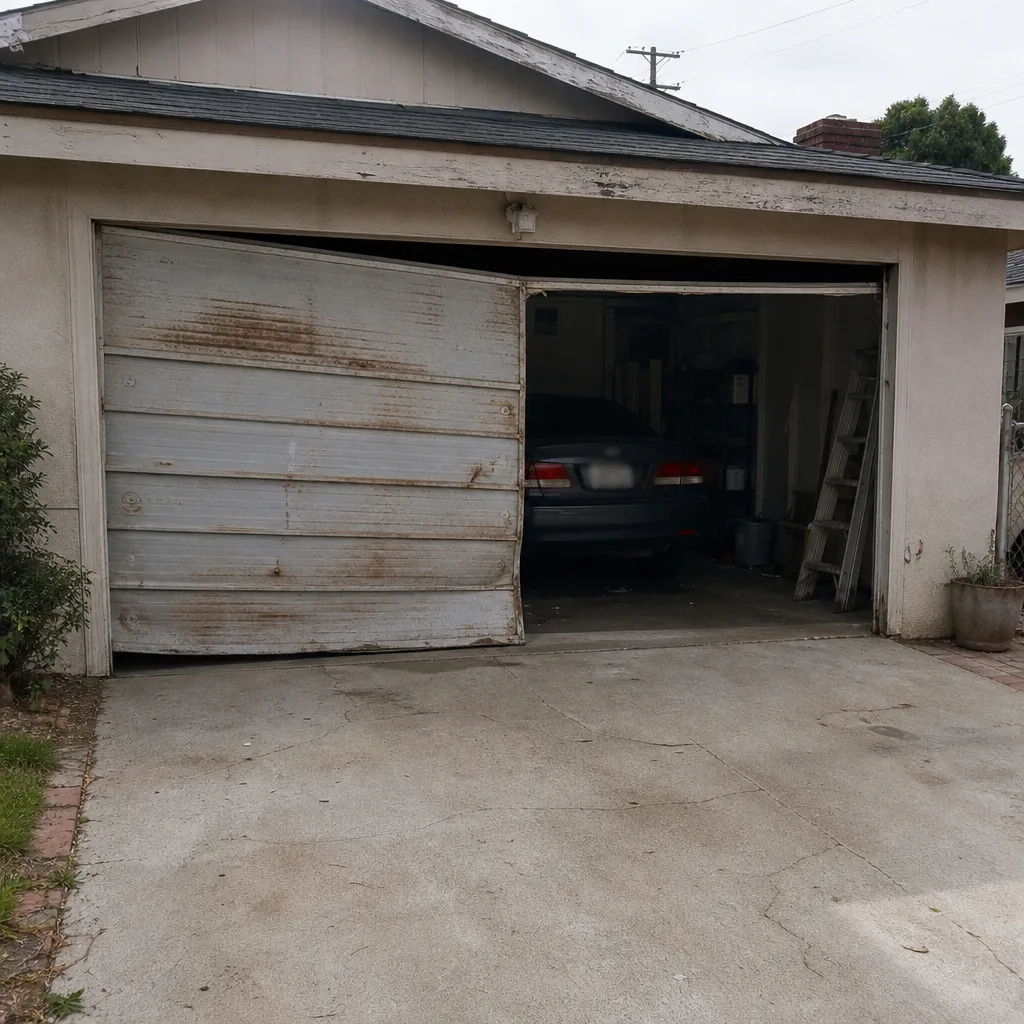 Before
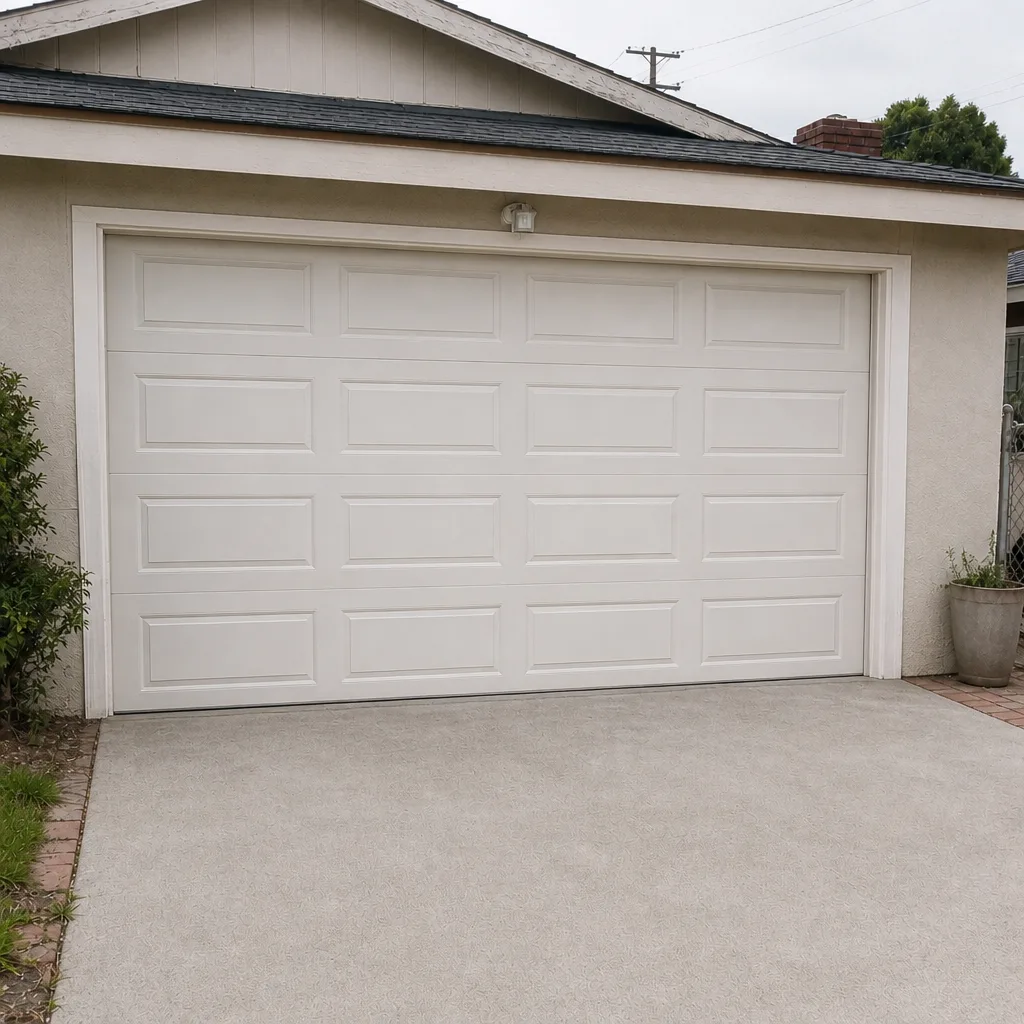 After
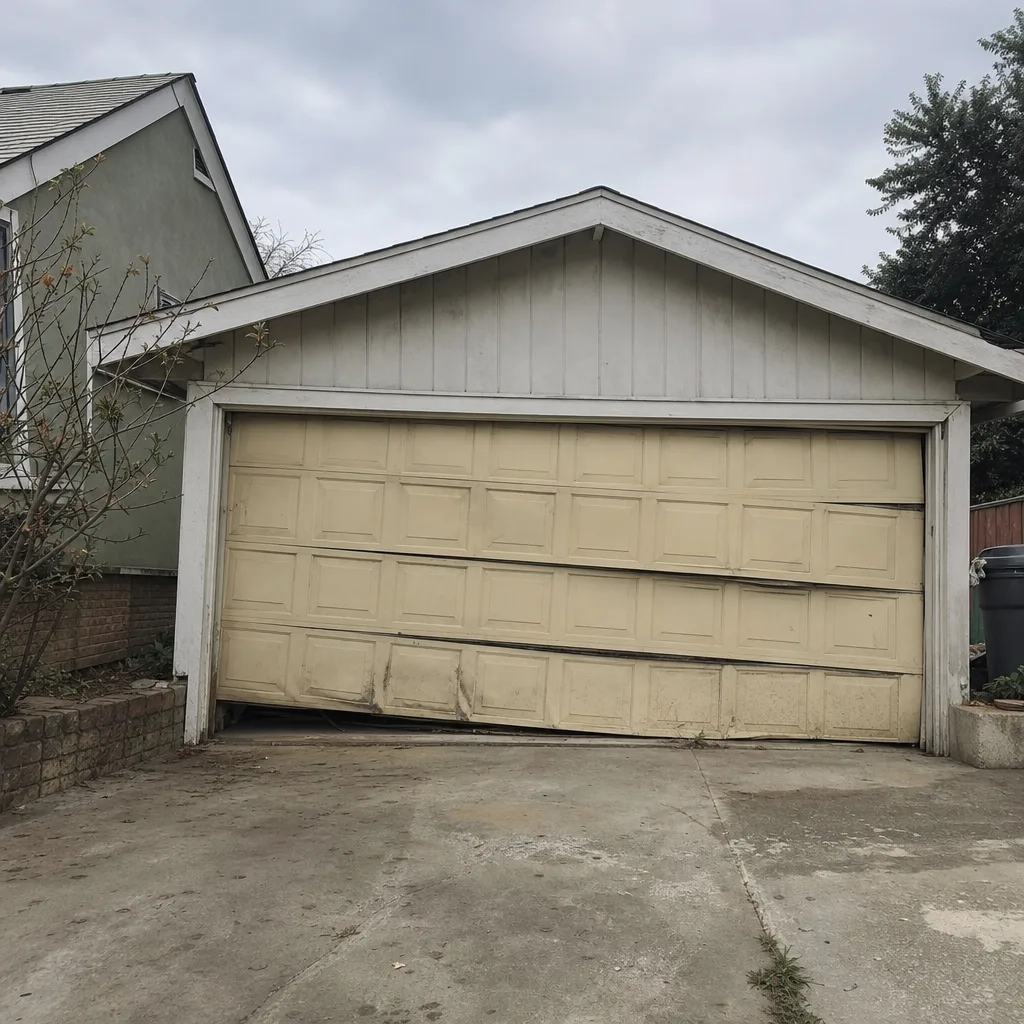 Before
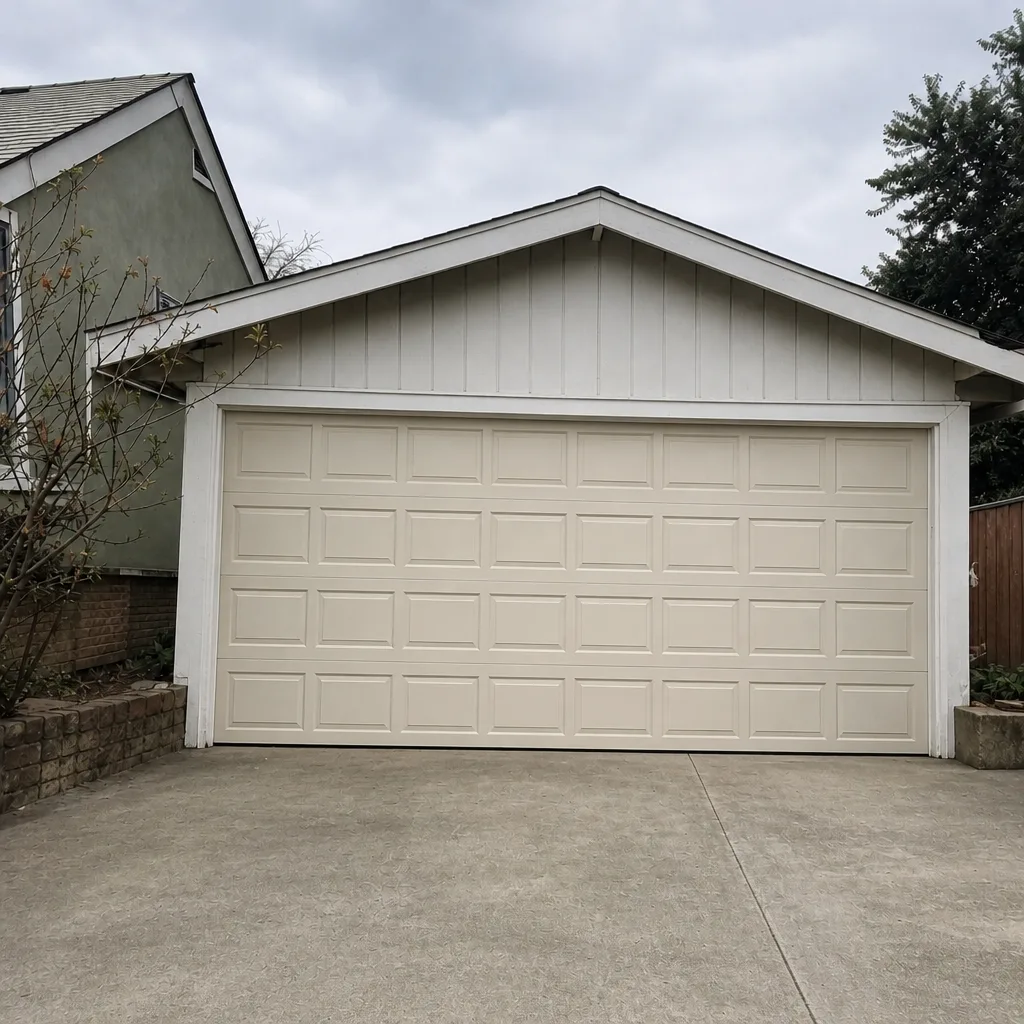 After
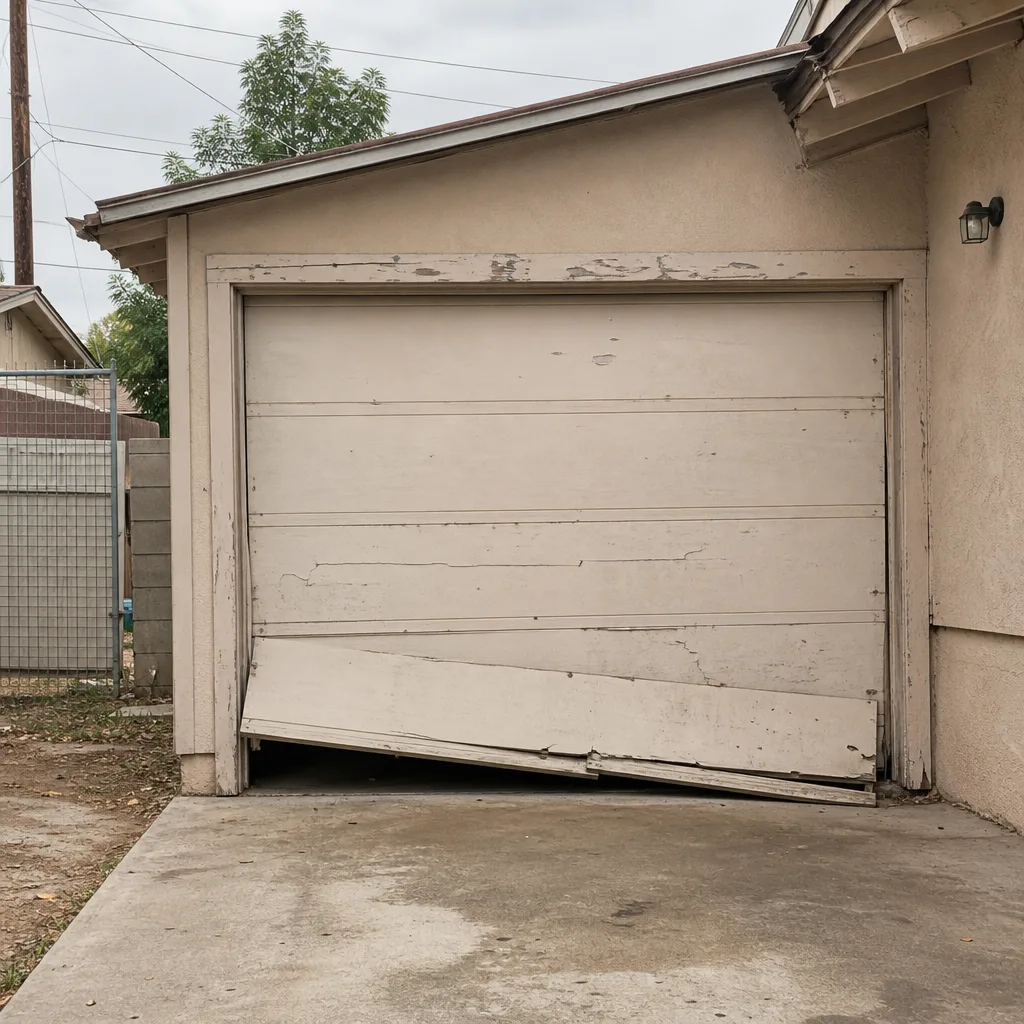 Before
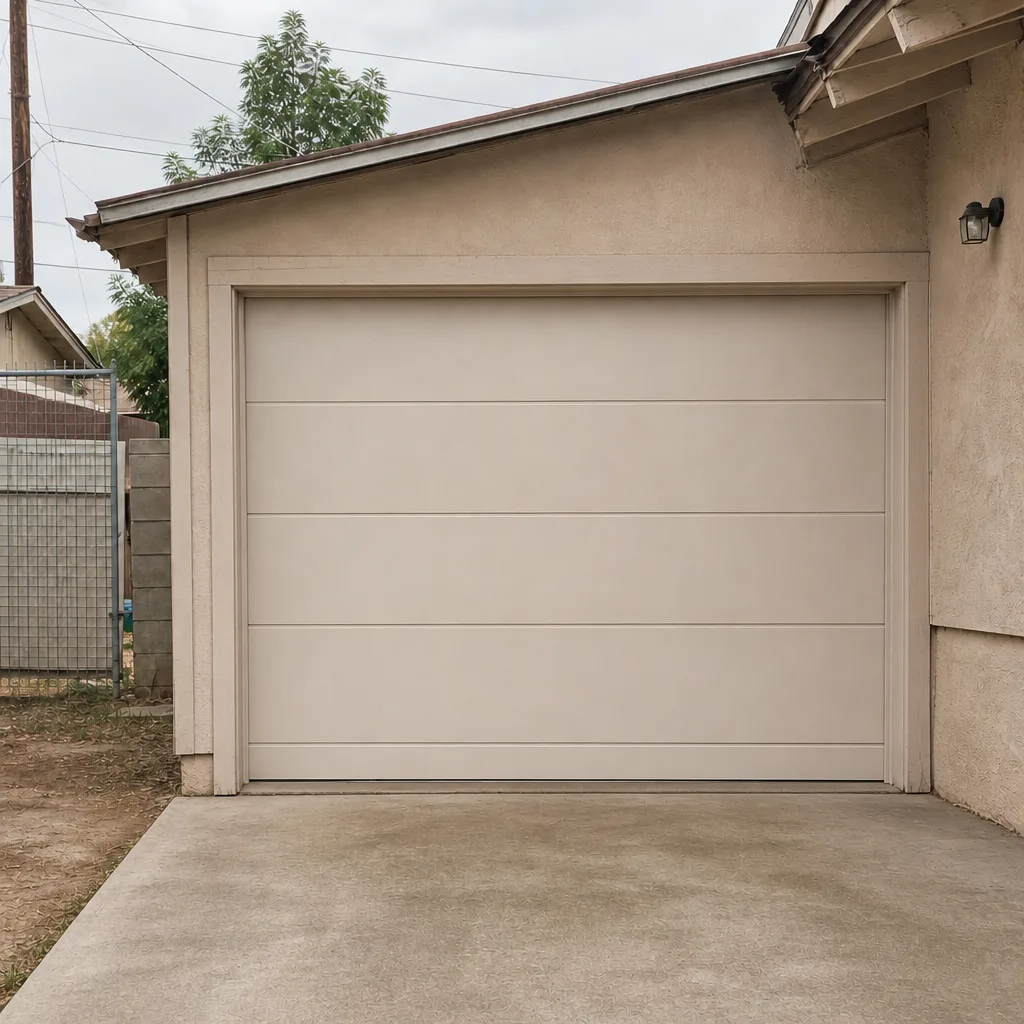 After